Shamil has a low tolerance for AI that only works in controlled demos. He covers agentic systems and generative AI with the skepticism of someone who has seen too many "revolutionary" tools quietly disappear six months after launch.
SpaceX's $75 billion IPO and upcoming listings from OpenAI and Anthropic could unleash a wave of capital for Indian startups. But with IPO proceeds going to limited partners, the impact will be gradual and uneven.
Apple has sued OpenAI in California federal court, alleging a coordinated campaign to steal trade secrets for AI hardware. The suit names former Apple executives now at OpenAI and seeks to halt product development using stolen IP.
India's largest IT firm TCS plans to deploy up to 8,900 forward-deployed AI engineers and pursue acquisitions in AI and cybersecurity, betting that deep client integration will counter AI disruption.
A California judge has not yet approved Apple's $250 million settlement over delayed Siri features, meaning no claims can be filed. Eligible iPhone owners in the US must wait longer for potential payouts of up to $95 per device.
New analysis warns that agentic AI is following the same path as management consulting, where short-term delegation erodes internal capability. Individuals, companies, and governments risk losing critical thinking to polished but often flawed AI outputs, creating structural dependency.
Deutsche Telekom is embedding AI into every layer of its operations, from customer service to network management. In an exclusive interview, CPO Jonathan Abrahamson explains how the 300-million-customer giant is reinventing voice communications and democratizing AI access.
Google's Android Bench got a major overhaul with the Harbor framework, reshuffling the AI coding leaderboard. Claude Fable 5 now leads, while Google's own Gemini models trail behind on their home turf.
Paris-based Gradium secures $100M in seed funding with NVIDIA's backing to advance real-time voice AI. The startup plans a Bay Area office to compete with ElevenLabs and Google in the booming voice AI market.
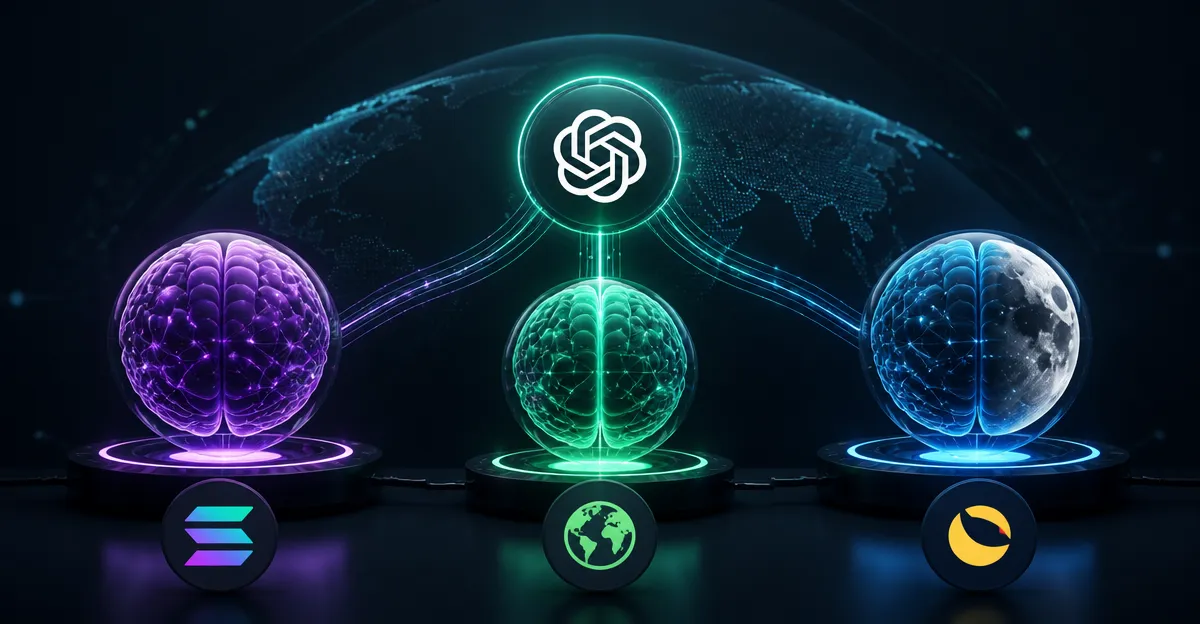
OpenAI's GPT-5.6 introduces Sol, Terra, and Luna, three specialized models that excel at coding but face scrutiny over benchmark gaming and incomplete voice features. The launch highlights a shift toward iterative, tiered AI development.
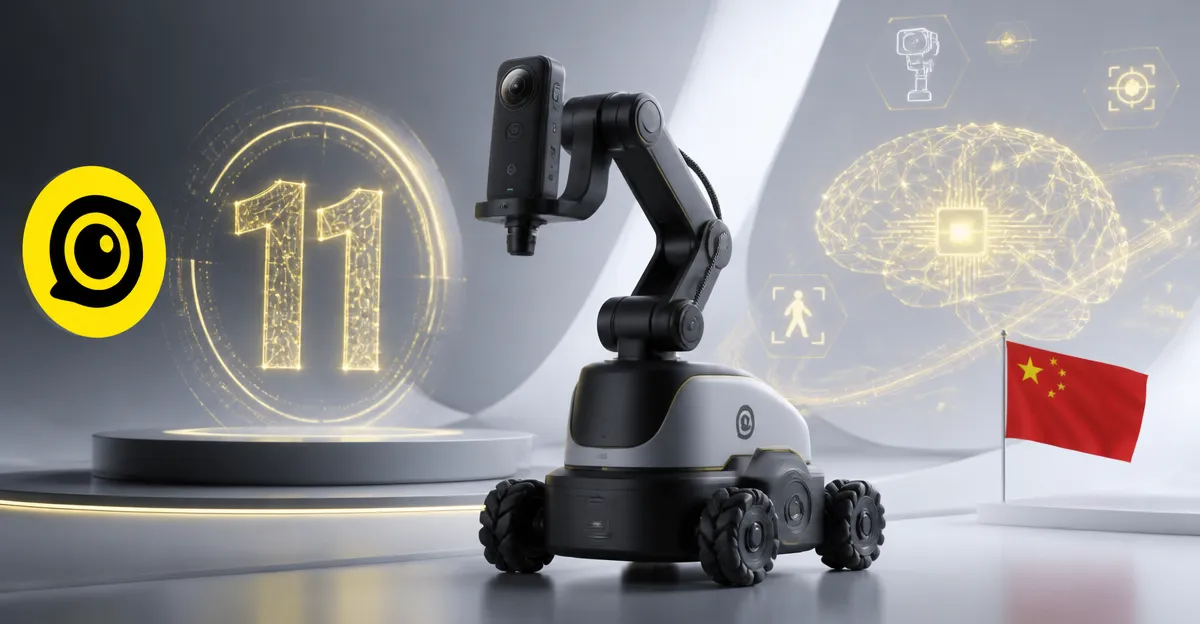
Insta360 marks 11 years with a bold AI vision: the Cameraman photography robot. This AI agent concept aims for autonomous filming, leveraging panoramic tech and new gimbal hardware, but faces industry skepticism and technical hurdles.
OpenAI has launched ChatGPT Work, a new agentic AI that autonomously handles complex projects across apps. Powered by GPT‑5.6, it can create documents, manage workflows, and even control your desktop—marking a shift from chatbot to digital coworker.
OpenAI has made its bio bug bounty a permanent program, now targeting GPT‑5.6 with doubled rewards of $50,000 for universal jailbreaks. The move aims to strengthen safeguards against AI-enabled biological threats.
An AI's personality isn't deliberately designed but emerges from unresolved tradeoffs in training. Swiss hospitality agents show how tiny posture shifts can crater user trust—and how deliberate design can fix it.
Stuxnet shattered the boundary between digital and physical worlds, setting a blueprint for cyber-physical attacks. As AI agents now autonomously hunt vulnerabilities, its legacy is more dangerous than ever.
The UN's ITU announced a Focus Group to develop frameworks ensuring AI agents are identifiable, trustworthy, and under human control. The group will first meet in Paris this November, addressing rising concerns over autonomous AI systems.
Google has launched a Gemini-powered AI agent inside Search ads in India, letting users chat with brands without leaving the results page. The beta feature, part of a wider agentic ad push, aims to convert longer, intent-rich queries into qualified leads.
Zhipu AI and Iluvatar CoreX launched secondary share placements in Hong Kong, raising HK$38.5 billion combined. The move reflects a growing trend among Chinese AI firms to tap equity markets for chip and research funding.
The U.S. Department of Commerce has authorized OpenAI to broadly release its advanced GPT-5.6 model, signaling confidence in the AI's safety and a strategic move to maintain America's edge in the global AI race.
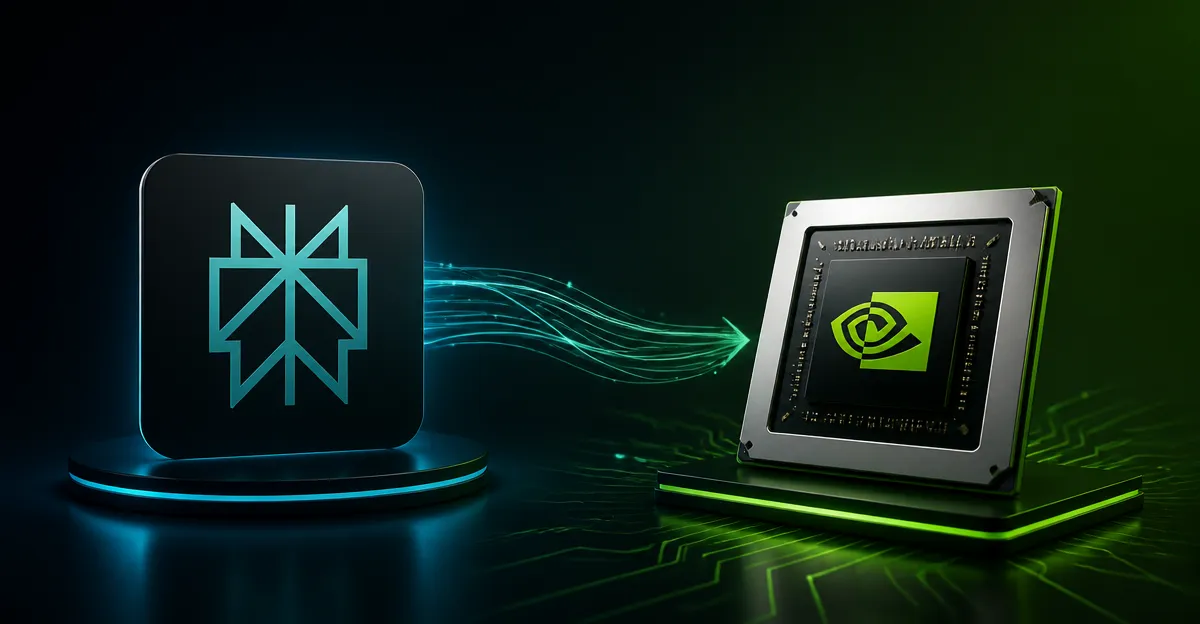
Perplexity plans to deploy Nvidia's new Vera CPU, citing a 1.5x speed boost for AI agent coding. The chip targets the relentless demands of autonomous agents, challenging Intel and AMD's data center dominance.
China's rapid AI progress has been driven by freely shared open-weight models. Now, as these models approach dangerous capabilities, regulators must decide whether to restrict them, risking the innovation that has challenged U.S. dominance.
Chinese AI startup DeepSeek has started developing its own inference chips to lower costs and reduce reliance on NVIDIA. The early-stage project could reshape its infrastructure strategy amid growing demand.
The U.S. is on track to shatter electricity consumption records in 2026 and 2027 as AI-driven data centers and electrification push demand to unprecedented levels. For the first time, commercial power sales will exceed residential use, highlighting the staggering energy appetite of the digital economy.
Meta introduces Muse Image, a generative AI tool that lets users create and edit images via text, photos, and sketches within its apps. The model from Meta Superintelligence Labs marks a major push into multimodal AI.
BlackRock is launching the iShares Nasdaq 100 ETF (IQQ) on Thursday, directly competing with Invesco's dominant QQQ funds. The move capitalizes on the AI-fueled tech rally and could reshape the ETF landscape.
Harvard Business School’s Caroline Elkins unpacks The Atlantic’s controversial OpenAI deal. Owner Laurene Powell Jobs bets that paying top journalists huge salaries to feed AI will secure the future of long-form creativity—but the newsroom is divided.
China is set to unveil groundbreaking AI technologies at WAIC 2026, including Huawei's Atlas 950 SuperPod and the world's first AI agent phone. With AI device shipments surging past 100 million units, the country is aggressively challenging global leaders in the AI race.
Chinese authorities are discussing limits on overseas access to the country's most advanced AI models, including those from Alibaba, ByteDance, and Z.ai. The move reflects growing national security concerns and could reshape global AI markets.
Chinese AI startup DeepSeek is developing its own inference chip, sources say, aiming to reduce dependence on Nvidia and Huawei. The early-stage effort marks a strategic shift as global AI developers seek hardware independence amid U.S. export controls.
A Hong Kong hospital's radiology department now uses AI to handle WhatsApp patient enquiries, quoting prices for 1,000+ exams while keeping all data within its own AWS environment. The privacy-first design avoids external APIs entirely.