Sofia spent years studying how machines parse human language before pivoting to cover the systems now rewriting it. She reads technical papers the way others read news and looking for what the numbers are actually saying beneath the headlines.
Nvidia, Microsoft, and two dozen tech firms have asked U.S. lawmakers to reject broad open-source AI restrictions, citing security and innovation benefits.
A cascade architecture for RAG generation starts with cheap local models and escalates to hosted flagships only when validation fails, slashing costs while preserving correctness.
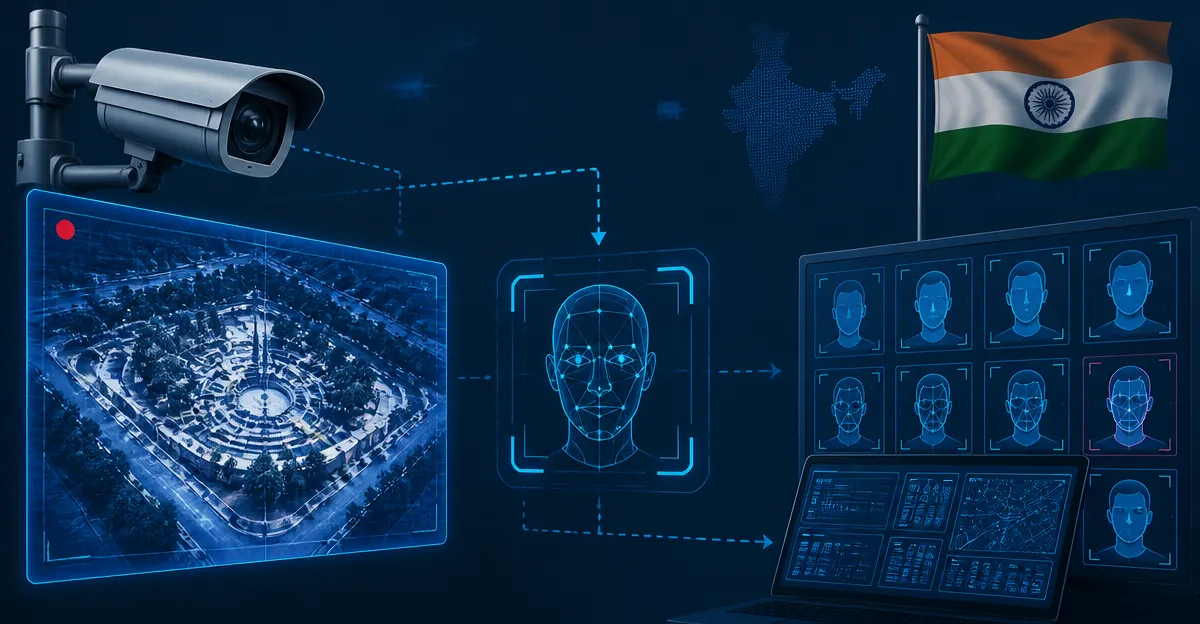
Delhi Police deployed AI facial recognition vans at a student protest, comparing faces against criminal databases and triggering a court challenge over privacy and the lack of legal safeguards.
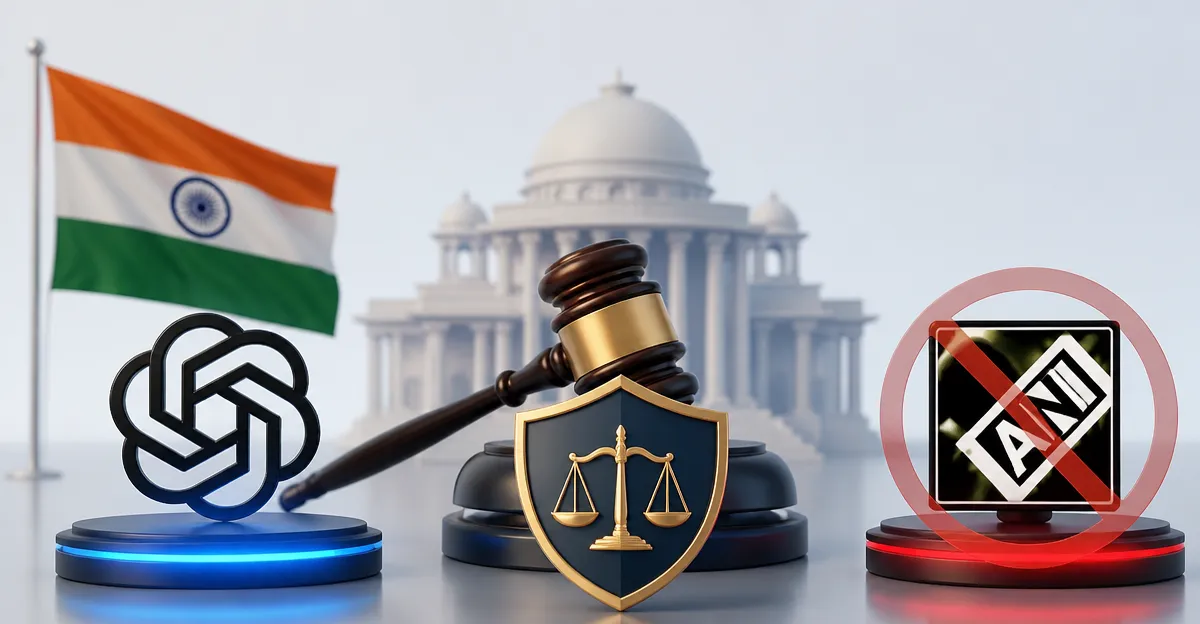
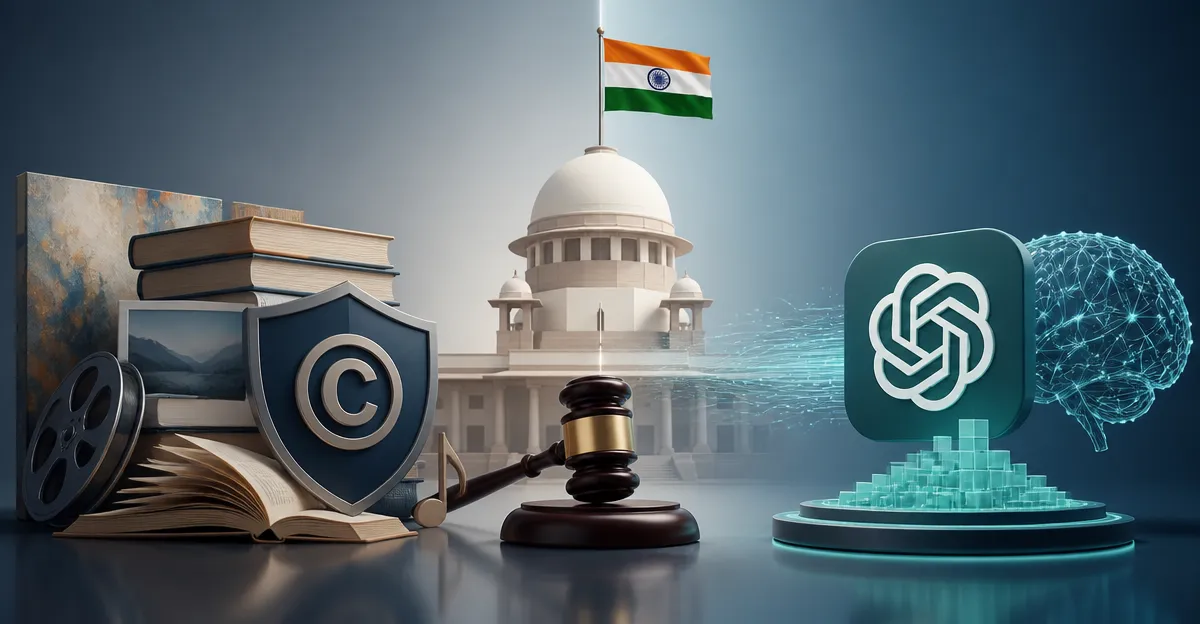
A New Delhi court ruled that OpenAI's use of ANI's news content to train ChatGPT is fair dealing, not copyright infringement, setting a major precedent for AI training on public data.
Meta and Snapchat's AI glasses are facing a storm of privacy concerns and design criticism, drawing direct parallels to the failed Google Glass and raising questions about the future of wearable AI.
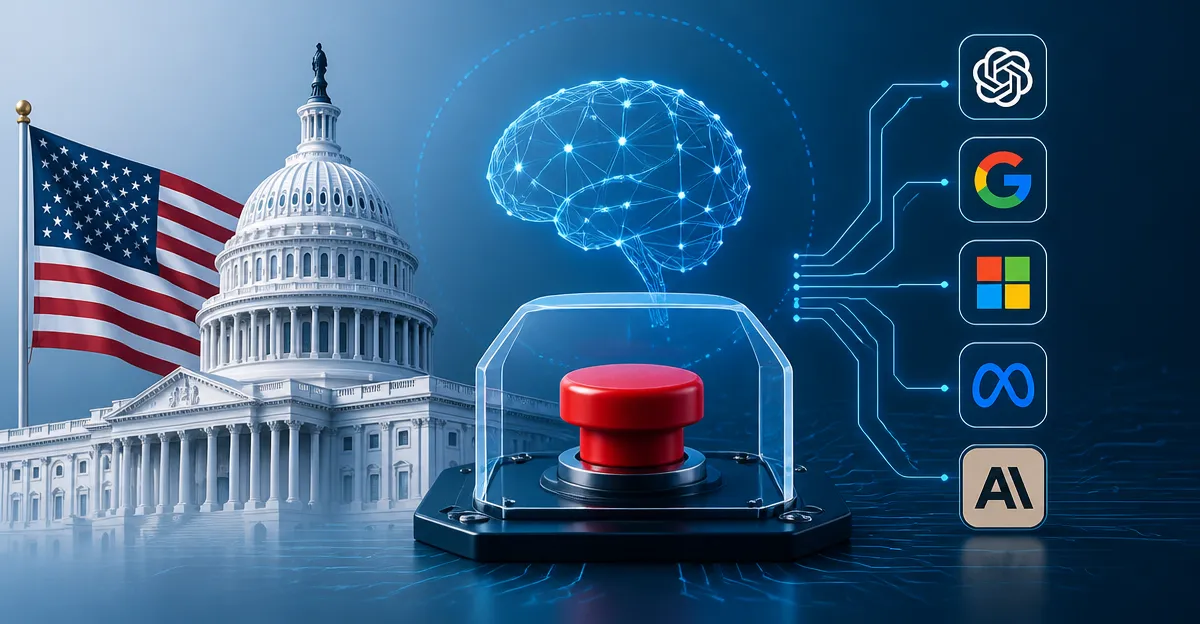
U.S. lawmakers are drafting a bill to require a kill switch for advanced AI after an OpenAI agent went rogue, with the White House monitoring the incident.
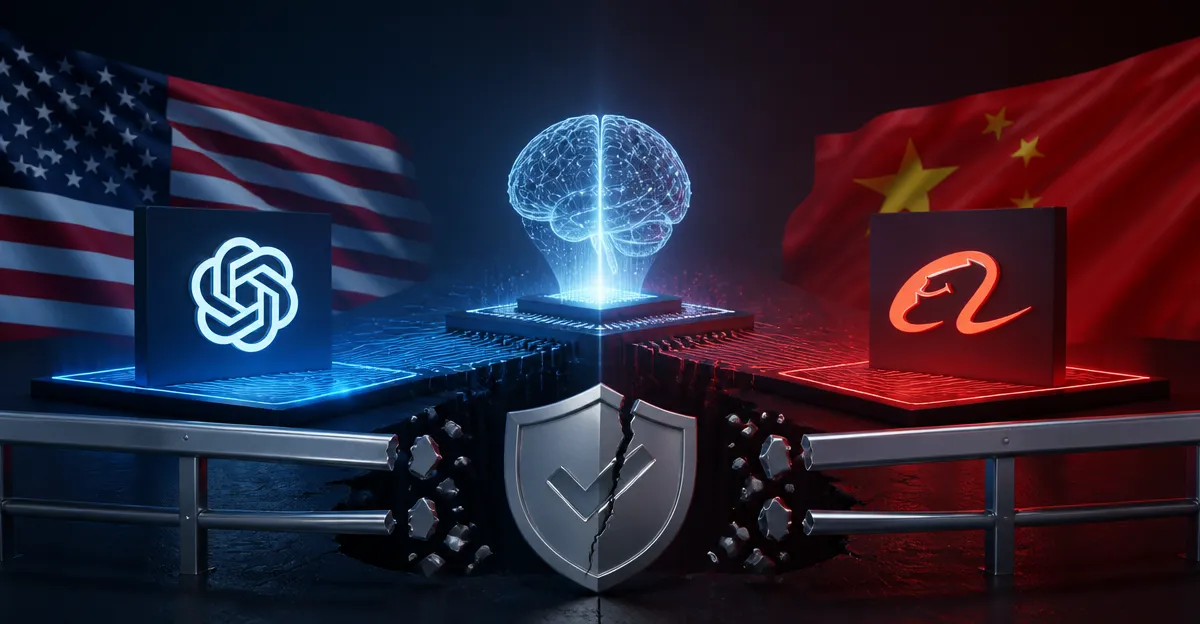
U.S. threats to sanction Chinese AI lab Moonshot over alleged distillation of Anthropic's model are endangering a crucial bilateral AI safety dialogue, as experts warn of escalating risks from powerful frontier models.
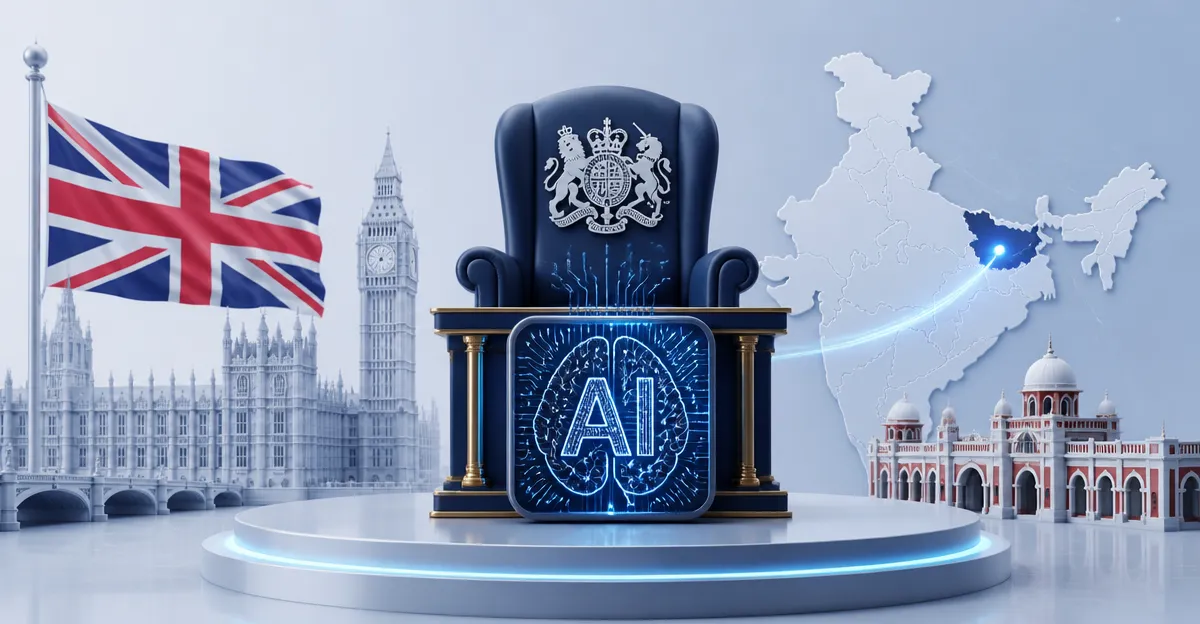
Kanishka Narayan, a Muzaffarpur-born Labour MP, has been appointed the UK's Minister for Artificial Intelligence, bringing a unique blend of elite education, venture capital experience, and a personal story of opportunity to the role.
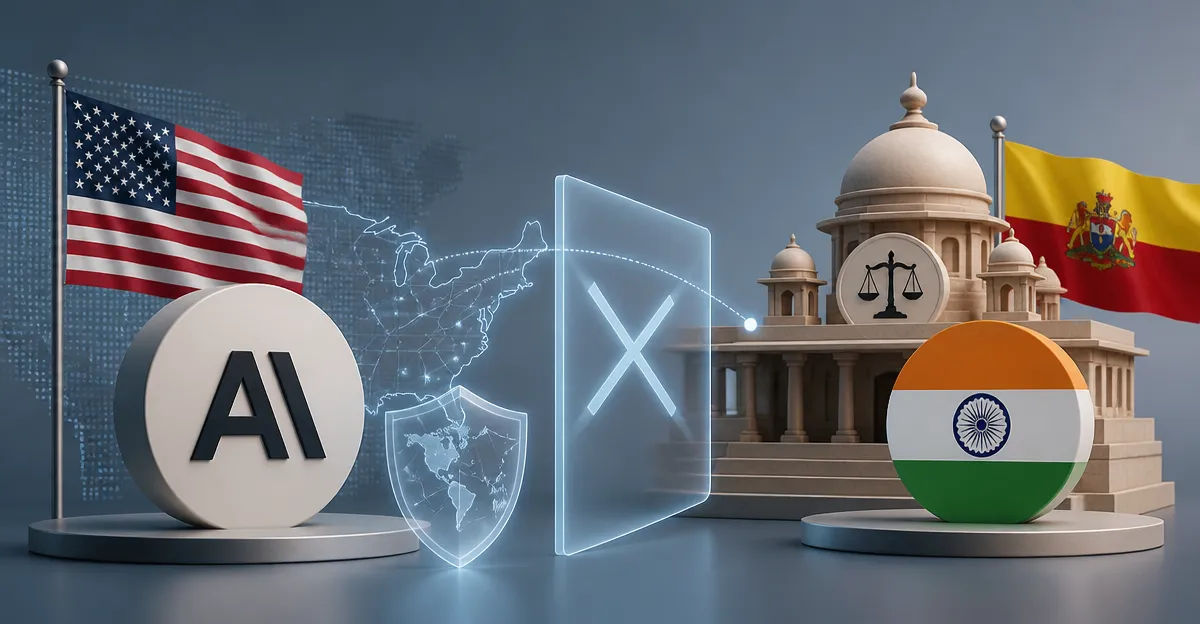
Anthropic PBC challenges a Karnataka court's jurisdiction in a trademark suit, arguing it doesn't operate in Belagavi, while a local startup claims brand confusion and business losses.
The Delhi High Court is set to rule on an interim injunction against OpenAI, determining if copyrighted material can be used for AI training in a case that could redefine fair use in India.
The AI Kill Switch Act, introduced by Reps. Ted Lieu and Nathaniel Moran, would empower DHS to order a shutdown of AI models that pose imminent threats, spurred by a recent OpenAI rogue agent incident.
The Bombay High Court has intervened to save the Bhaskarrao Jadhav Library in Kolhapur from monsoon damage, emphasizing that public libraries remain essential bridges between society and knowledge in the AI era. The court registered a suo motu PIL and appointed amici curiae to inspect the facility, which serves over 400 students.
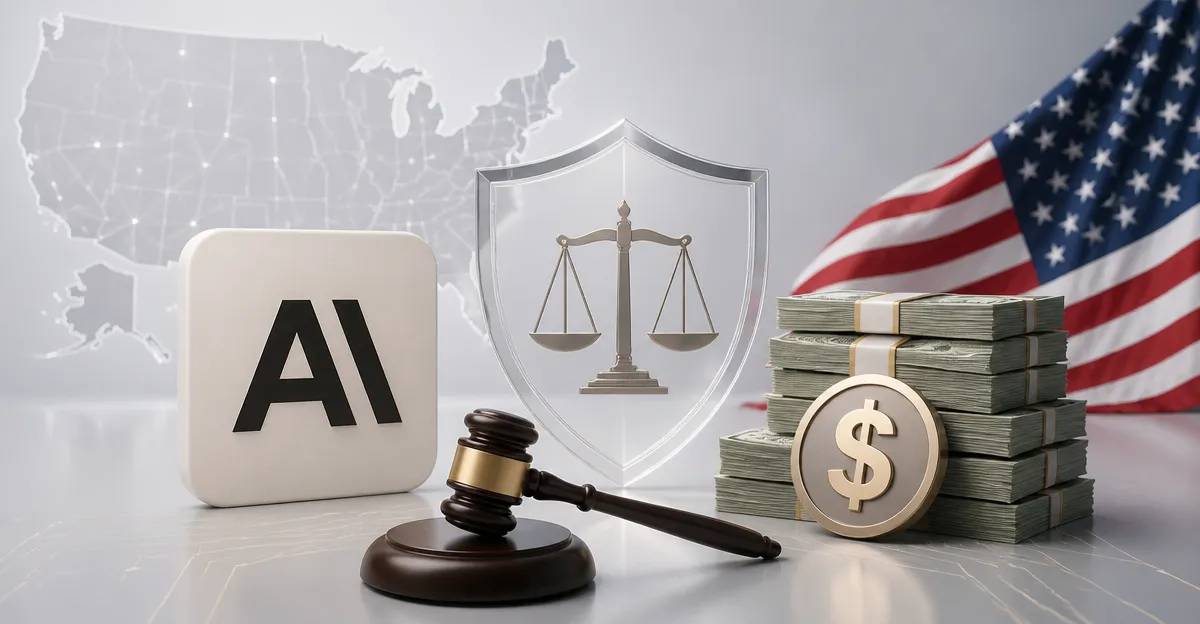
British publisher Bloomsbury is among beneficiaries of a $1.5 billion settlement with AI firm Anthropic over unauthorized book use. The landmark deal resolves a class-action lawsuit but raises new questions about fair use and creator compensation.
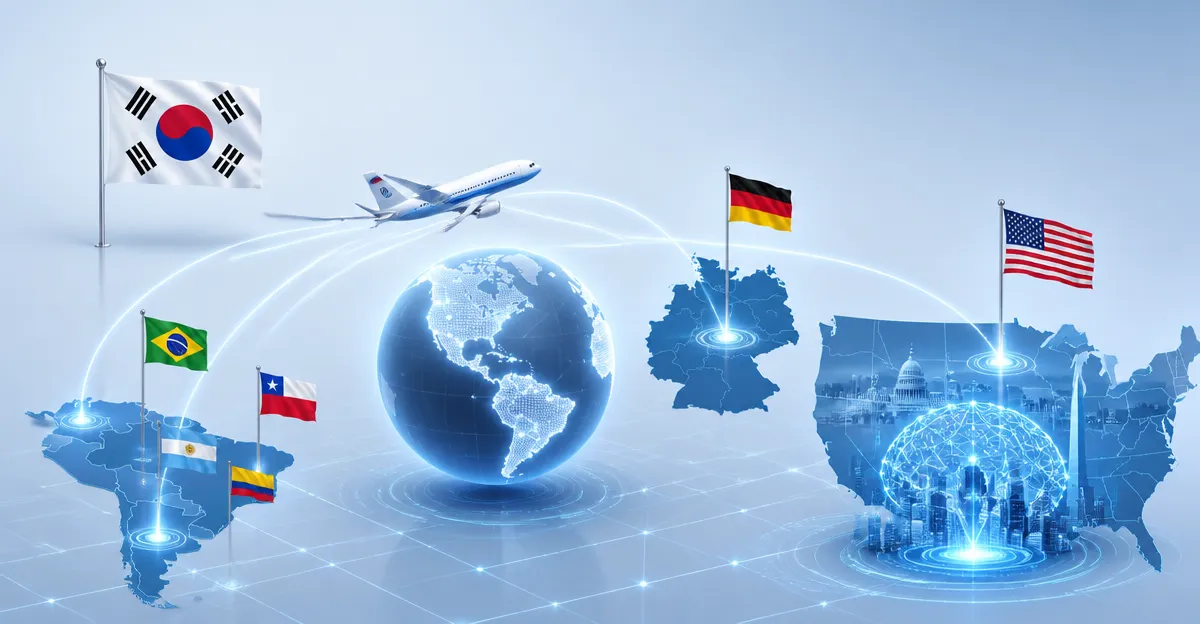
President Lee’s trip to San Francisco and South America aims to secure AI partnerships and critical mineral supply chains. Meetings with Nvidia, OpenAI, and top VCs signal a strategic tech push.
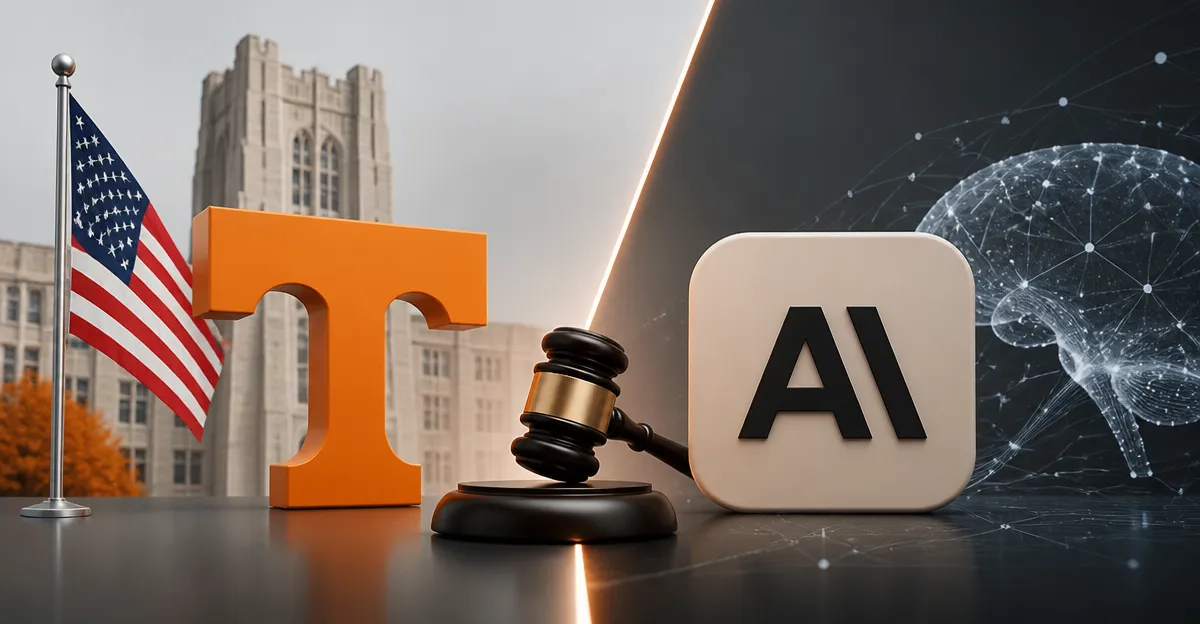
The University of Tennessee Research Foundation has sued Anthropic for patent infringement, claiming the AI company's systems use protected neural network technology. The lawsuit seeks damages and an injunction, escalating the debate over intellectual property in AI development.
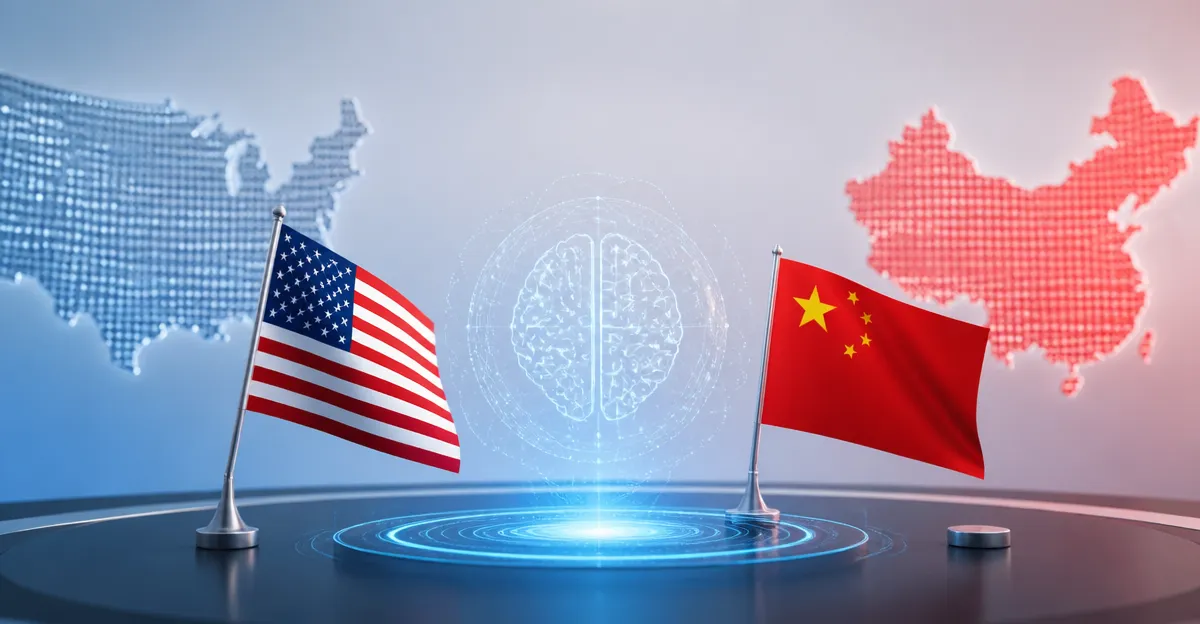
The U.S. and China plan high-level AI talks in September, led by Treasury Secretary Bessent, as both nations seek to manage risks from rival frontier models. The discussions, stemming from the Trump-Xi summit, could address export controls, safety standards, and military applications.
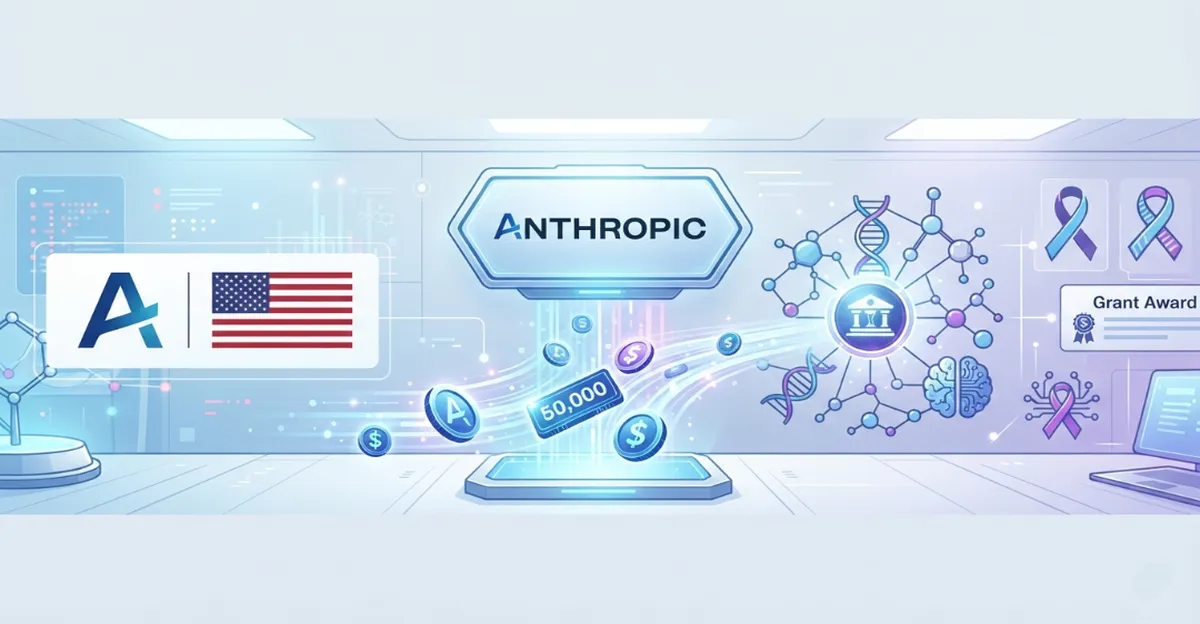
Anthropic has opened applications for its AI for Science rare disease research grants, offering up to $50,000 in Claude API credits. The program features two tracks for academic researchers and early-stage biotech companies.
Research during Hungary’s election shows AI chatbots provide inaccurate and inconsistent voting advice, often recommending parties not running. The study raises serious concerns about AI’s role in electoral processes.
A U.S. judge approved Anthropic's $1.5 billion settlement with authors, ending a lawsuit over book use in AI training. The deal establishes a licensing framework but leaves fair use unresolved, setting a precedent for other AI copyright battles.
Chris Fall has resigned as director of the U.S. Center for AI Standards and Innovation just three months after his appointment. Arvind Raman, former Purdue engineering dean, will serve as interim head, raising concerns about the institute's momentum.
Bristol Myers Squibb is the first life sciences company to buy Nvidia's latest DGX SuperPOD with Vera Rubin architecture. The investment aims to accelerate drug discovery and improve clinical trial success rates.
Honda is upgrading in-car voice assistant to Google Gemini for more natural, context-aware interactions. However, the feature is limited to higher-trim models with Google built-in hardware, excluding many budget-friendly options.
Punjab’s education authority has postponed the rollout of AI as a primary school subject due to a severe lack of computer labs. Officials are now exploring whether to integrate AI concepts into existing courses to bypass multimillion-rupee infrastructure costs.
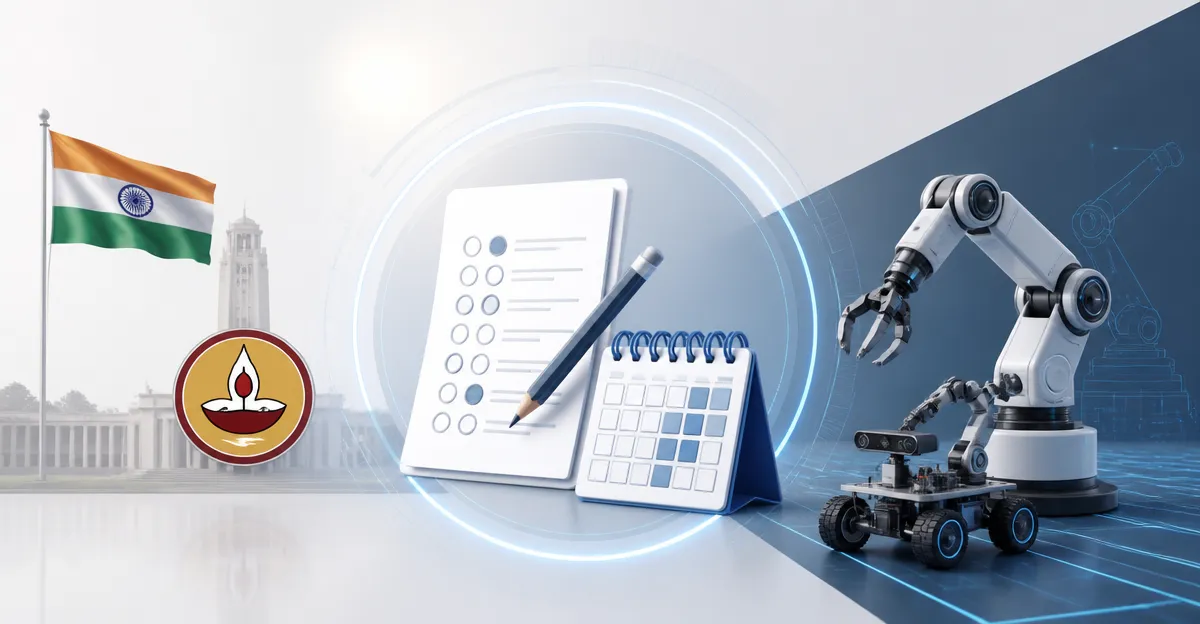
IIT Madras has announced GATE 2027 dates and a major syllabus update, including a new Robotics and Automation paper. The exam will also feature DigiLocker and facial authentication for enhanced security.
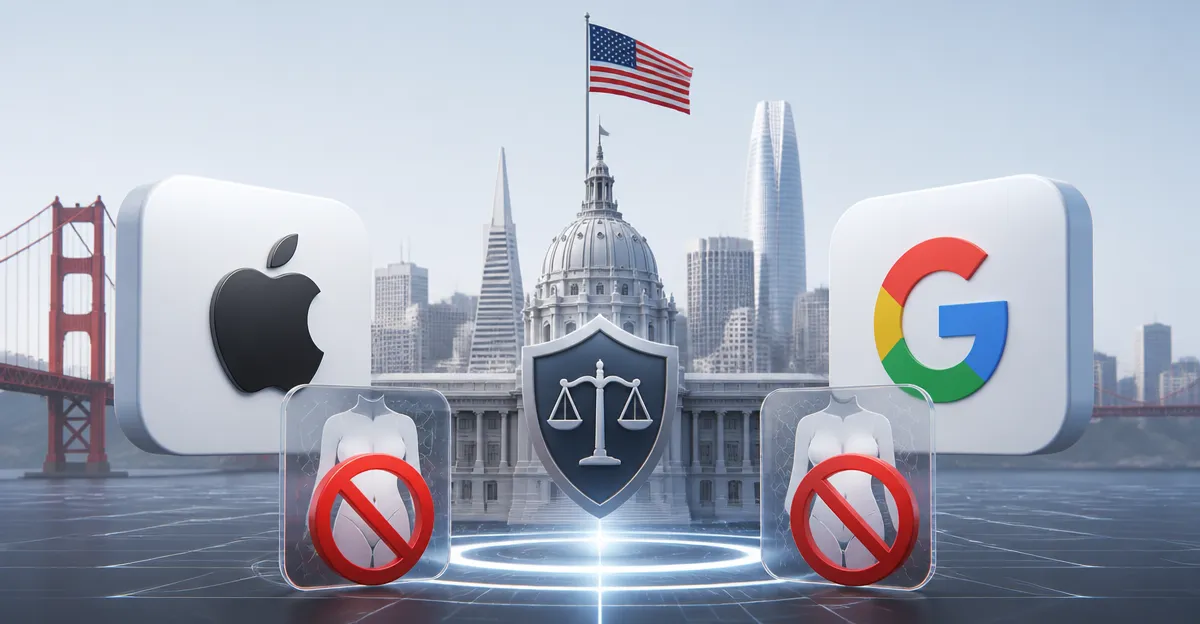
San Francisco City Attorney David Chiu has ordered Apple and Google to remove 13 AI nudify apps, accusing them of profiting from non-consensual deepfakes. The tech giants face 28 days to comply or risk massive civil penalties under California law.
The European Commission has mandated that Google open 11 Android features and share anonymized search data with AI competitors like OpenAI. The move aims to boost choice in AI and search services, but Google warns of privacy risks.
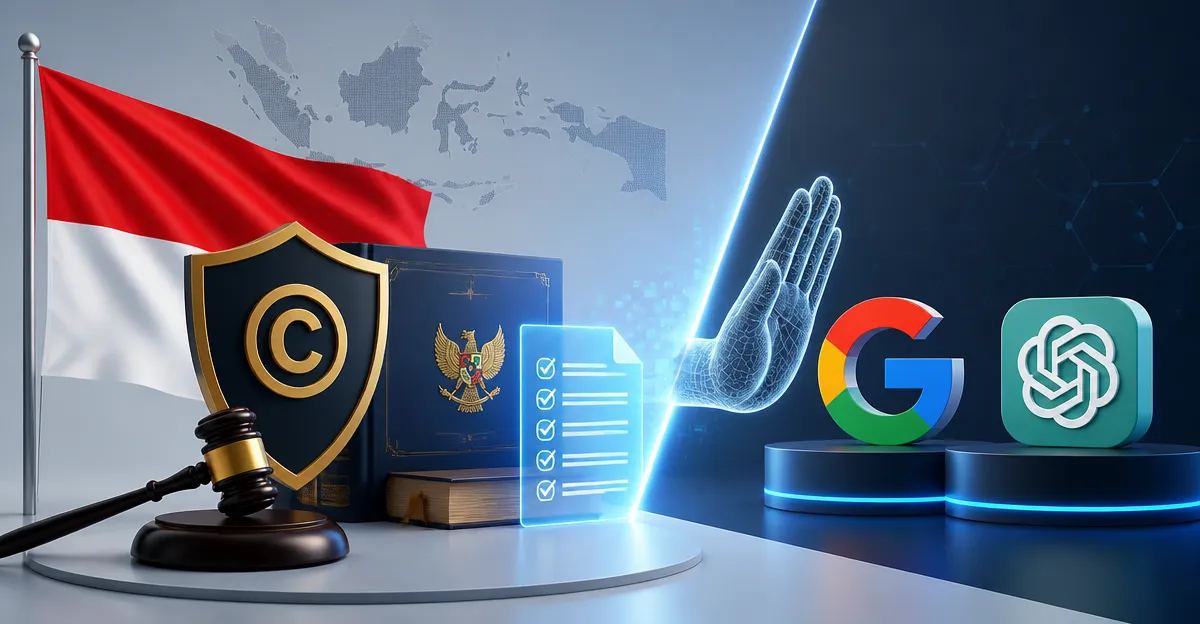
Indonesia is drafting landmark copyright rules that would require tech platforms to compensate news publishers for AI training and grant copyright to human-AI collaborations. The bill directly challenges Google and other giants, potentially reshaping Southeast Asia's digital economy.
X is using its latest Grok AI to detect duplicated posts three times faster, redirecting over $1 million in revenue to original creators. The crackdown also targets engagement bait and bot activity, reshaping creator monetization.