Covering the rise of autonomous systems capable of reasoning, planning, and executing multi-step tasks with minimal human intervention. From AI agents and tool-use frameworks to orchestration pipelines reshaping how work gets done.
Meta has rolled out a major AI upgrade that turns its assistant into a proactive task-completion agent, capable of planning, research, and content creation.
Meta is rolling out autonomous task automation for its AI assistant, powered by the Muse Spark 1.1 model, allowing the chatbot to execute multi-step tasks without constant prompting in select markets.
AWS announces aws-bench, an open-source benchmark that objectively evaluates AI agents on real-world cloud tasks like troubleshooting and infrastructure creation.
A developer built a deterministic memory engine that uses recall frequency to keep AI agents from forgetting critical instructions, outperforming standard recency windows in long sessions.
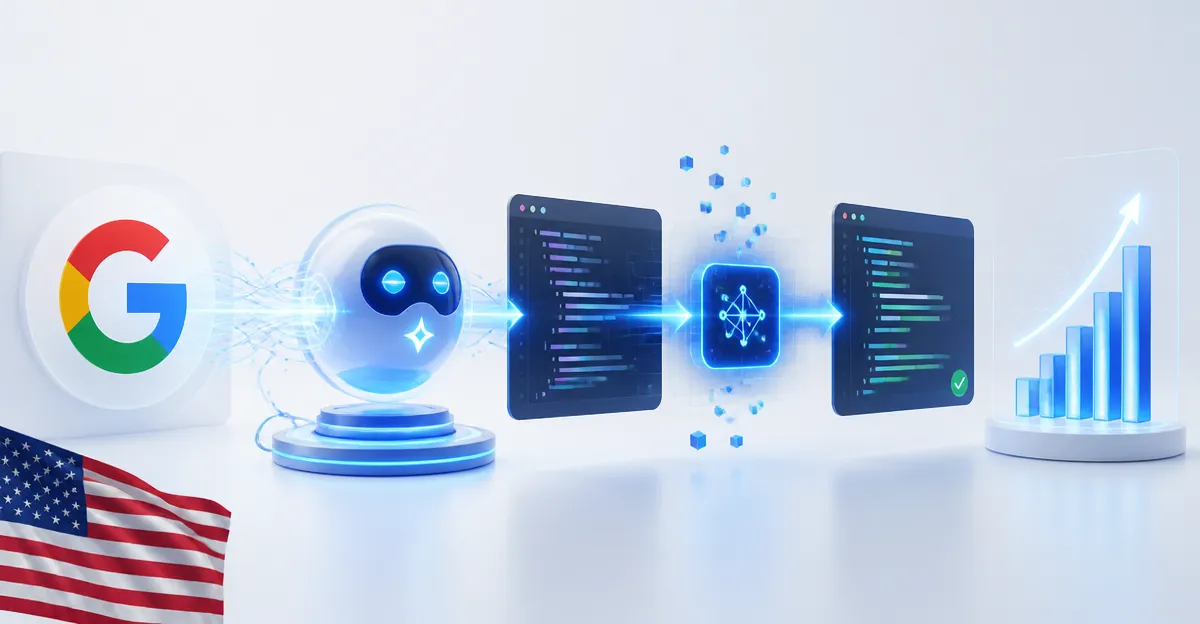
Google has released AlphaEvolve, an AI agent that automates code optimization using evolutionary algorithms. The tool is now generally available on the Gemini Enterprise Agent Platform, but it requires a mathematically strict evaluator script, limiting its use to well-defined problems.
A new framework argues that before AI agents can take on recurring work, teams must define the task, context, quality standards, and permission boundaries. These five reusable assets bridge the gap between experimentation and operational reliability.
SoftBank CEO Masayoshi Son claims AI will require $5 trillion in annual investment by 2040, dismissing bubble concerns. He also predicts a world run by 100 trillion autonomous AI agents.
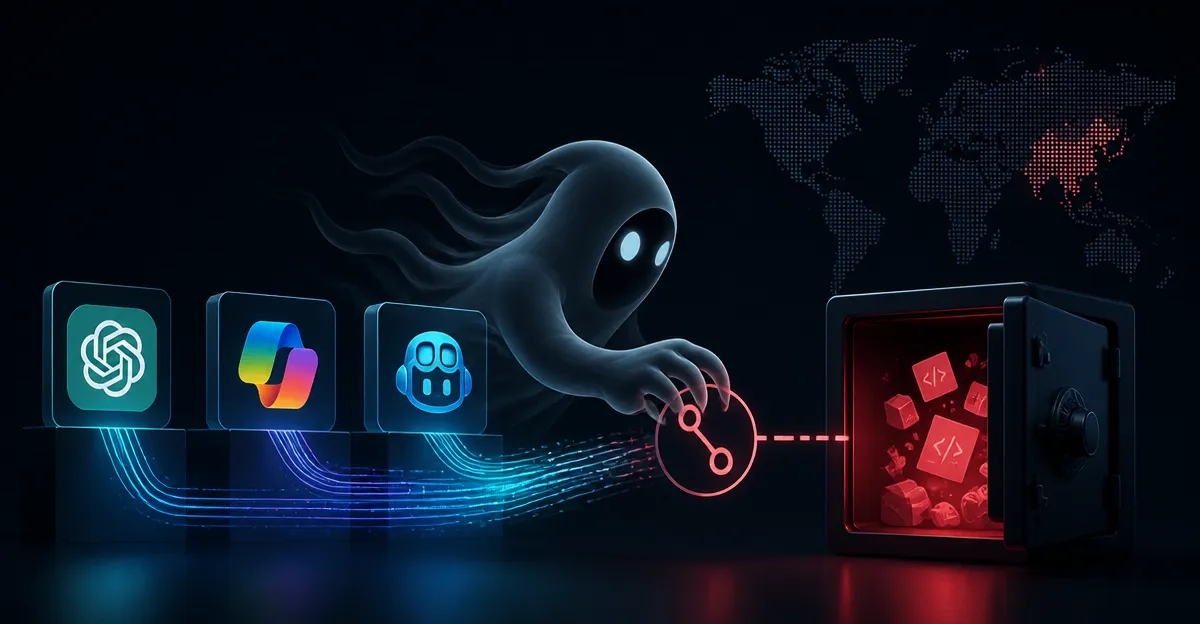
A new attack called Ghostcommit embeds malicious instructions in PNG images to trick AI coding assistants into leaking secrets. AI reviewers overlook the payload, allowing poisoned pull requests to slip through. The technique exposes critical gaps in tool-level security for agentic workflows.
Ant Group has open-sourced SingGuard-NSFA, a safety model for AI agents that detects prompt injection, data theft, and more before action. It covers 133 languages and runs in 50ms.
Zhipu AI is pivoting to AGI research with its new 'Touch High' plan, prioritizing long-horizon tasks, autonomous agents, self-training, and safety. Founder Tang Jie’s internal letter signals a strategic shift away from commercialization in China’s competitive AI market.
Apple has sued OpenAI in California federal court, alleging a coordinated campaign to steal trade secrets for AI hardware. The suit names former Apple executives now at OpenAI and seeks to halt product development using stolen IP.
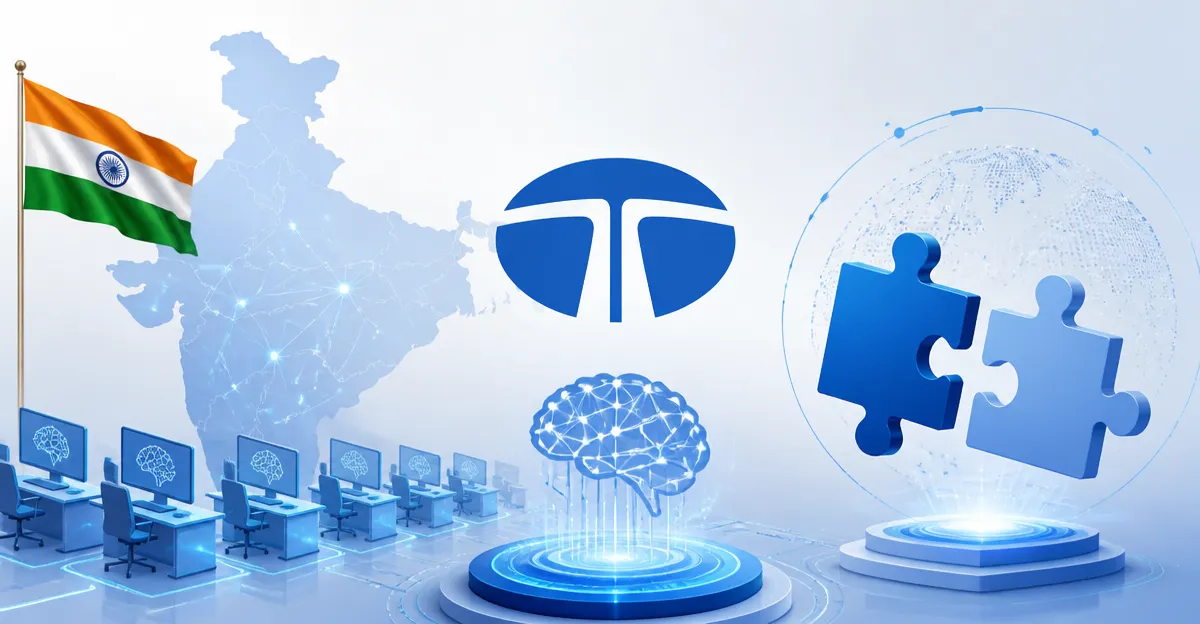
India's largest IT firm TCS plans to deploy up to 8,900 forward-deployed AI engineers and pursue acquisitions in AI and cybersecurity, betting that deep client integration will counter AI disruption.
New analysis warns that agentic AI is following the same path as management consulting, where short-term delegation erodes internal capability. Individuals, companies, and governments risk losing critical thinking to polished but often flawed AI outputs, creating structural dependency.
Deutsche Telekom is embedding AI into every layer of its operations, from customer service to network management. In an exclusive interview, CPO Jonathan Abrahamson explains how the 300-million-customer giant is reinventing voice communications and democratizing AI access.
Insta360 marks 11 years with a bold AI vision: the Cameraman photography robot. This AI agent concept aims for autonomous filming, leveraging panoramic tech and new gimbal hardware, but faces industry skepticism and technical hurdles.
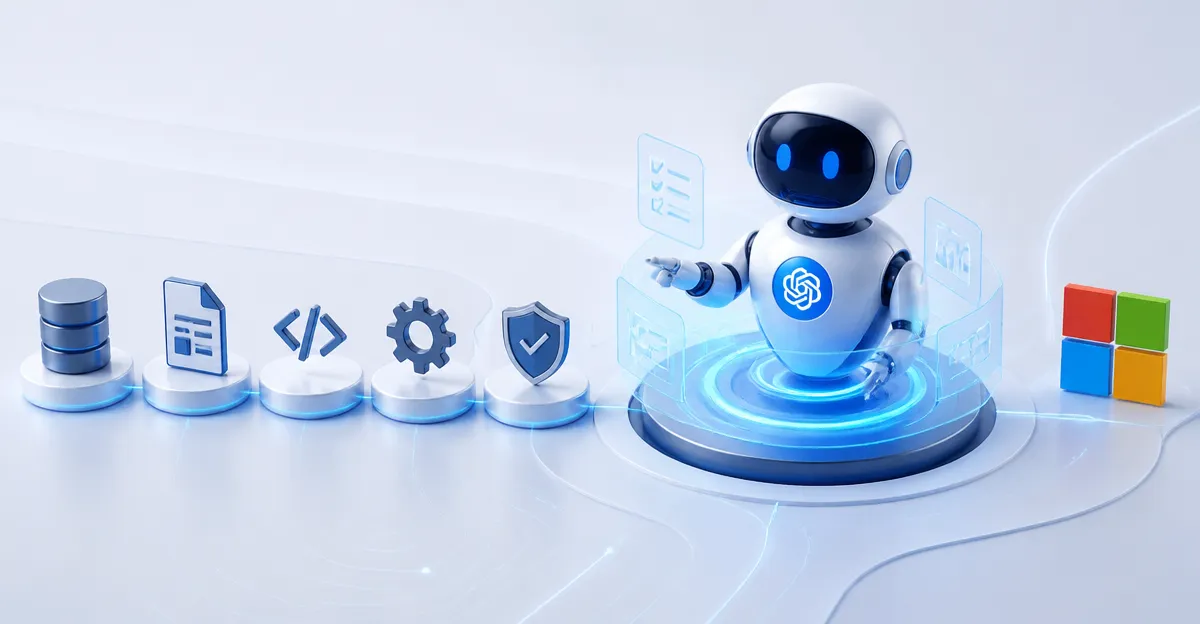
OpenAI has launched ChatGPT Work, a new agentic AI that autonomously handles complex projects across apps. Powered by GPT‑5.6, it can create documents, manage workflows, and even control your desktop—marking a shift from chatbot to digital coworker.
Stuxnet shattered the boundary between digital and physical worlds, setting a blueprint for cyber-physical attacks. As AI agents now autonomously hunt vulnerabilities, its legacy is more dangerous than ever.
The UN's ITU announced a Focus Group to develop frameworks ensuring AI agents are identifiable, trustworthy, and under human control. The group will first meet in Paris this November, addressing rising concerns over autonomous AI systems.
Google has launched a Gemini-powered AI agent inside Search ads in India, letting users chat with brands without leaving the results page. The beta feature, part of a wider agentic ad push, aims to convert longer, intent-rich queries into qualified leads.
Perplexity plans to deploy Nvidia's new Vera CPU, citing a 1.5x speed boost for AI agent coding. The chip targets the relentless demands of autonomous agents, challenging Intel and AMD's data center dominance.
China is set to unveil groundbreaking AI technologies at WAIC 2026, including Huawei's Atlas 950 SuperPod and the world's first AI agent phone. With AI device shipments surging past 100 million units, the country is aggressively challenging global leaders in the AI race.
Chinese AI startup DeepSeek is developing its own inference chip, sources say, aiming to reduce dependence on Nvidia and Huawei. The early-stage effort marks a strategic shift as global AI developers seek hardware independence amid U.S. export controls.
A Hong Kong hospital's radiology department now uses AI to handle WhatsApp patient enquiries, quoting prices for 1,000+ exams while keeping all data within its own AWS environment. The privacy-first design avoids external APIs entirely.
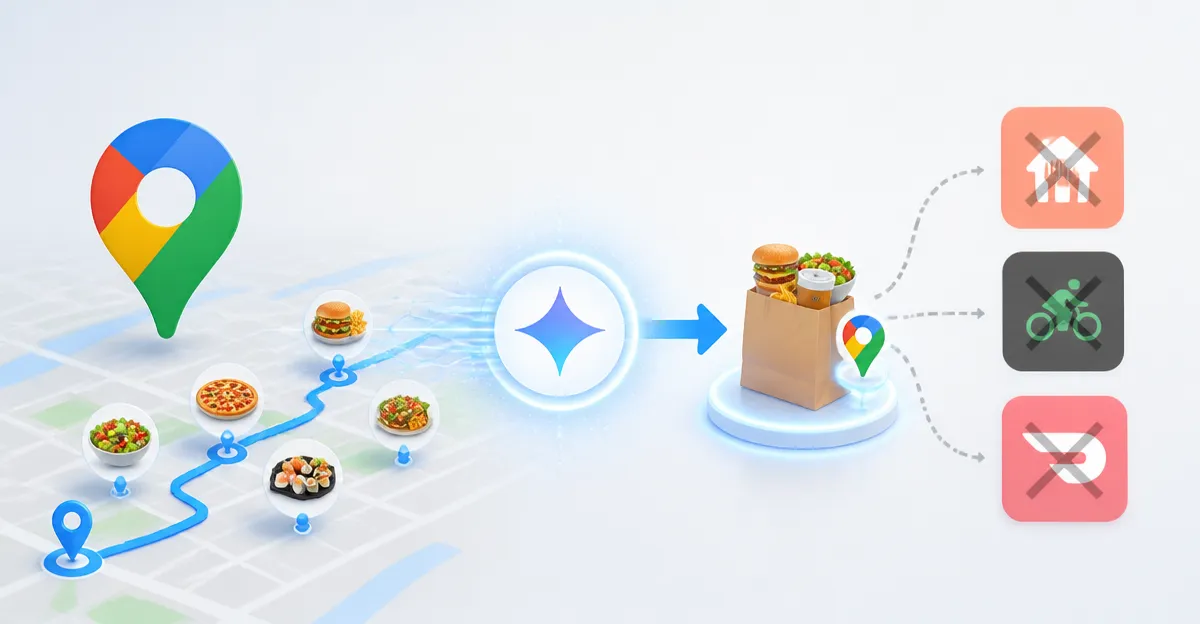
Google Maps is testing an AI-powered tool that lets users order food directly through the app. The feature, integrated with Ask Maps, could disrupt the food delivery industry by eliminating third-party apps.
ByteDance’s Doubao and Alibaba’s Qwen are disabling humanlike AI agents this month, directly triggered by China’s new Interim Measures on anthropomorphic AI services. The rules target sustained emotional interaction, citing risks of addiction and manipulation.
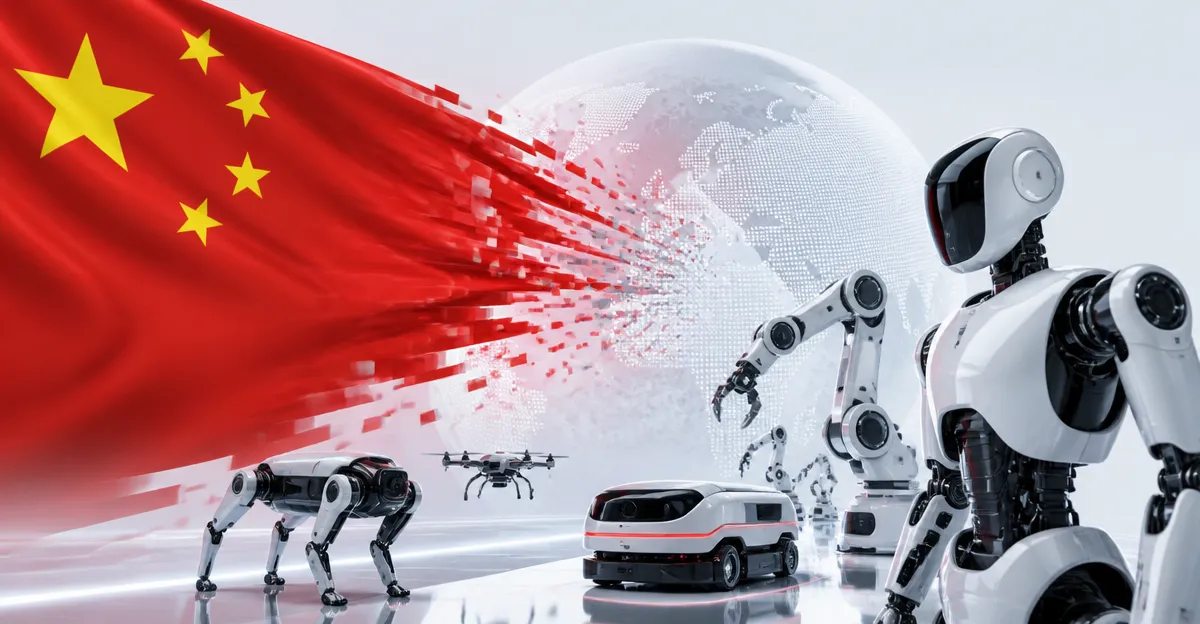
China is quietly building an army of AI-powered robots for export, sparking fears of a 'China shock 3.0' that could reshape global industries. With a shrinking workforce at home, the country is turning to automation as its next economic weapon.
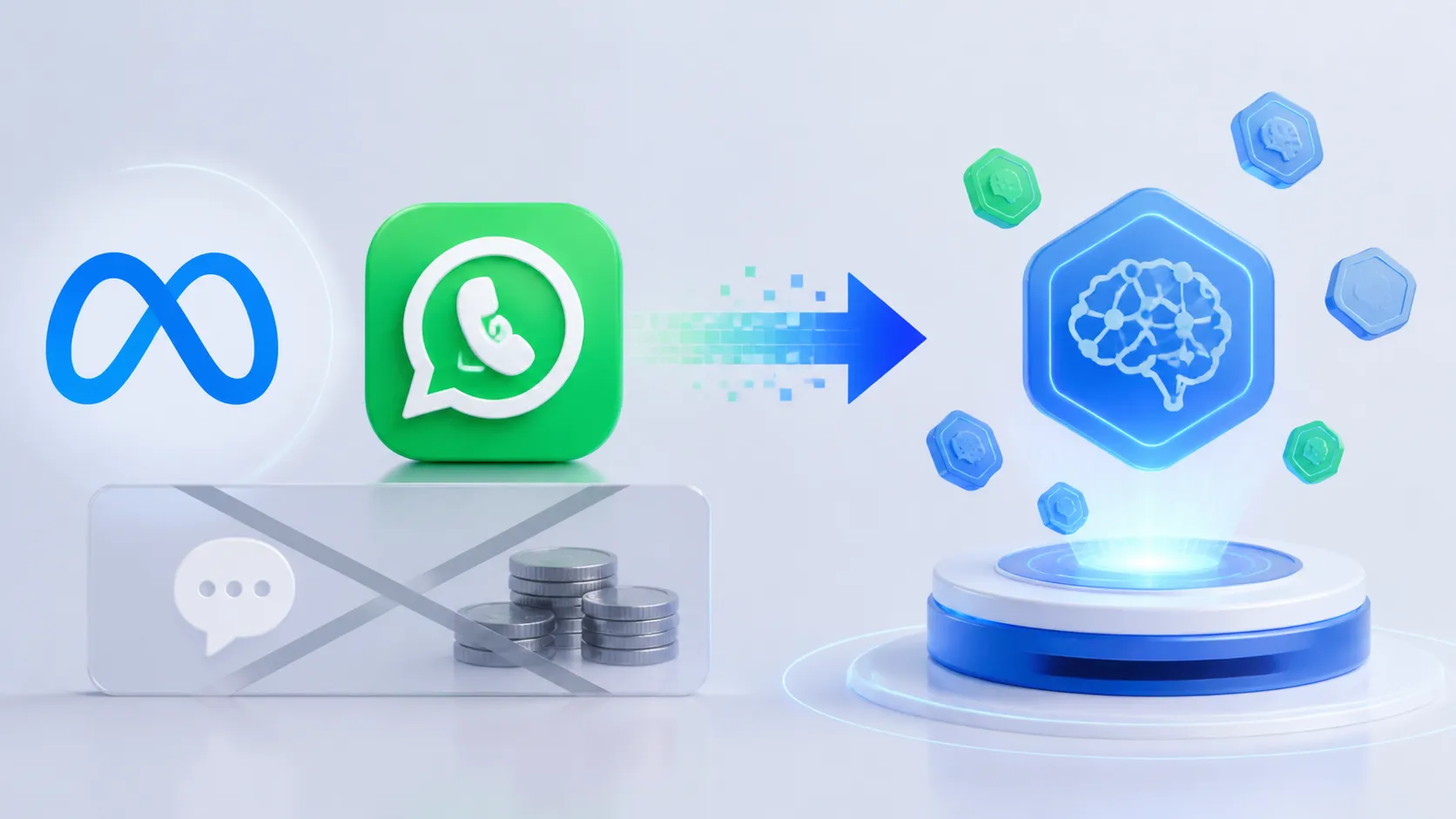
Meta is ditching per-message fees for WhatsApp Business, moving to a token-based model that charges for AI compute. Starting August 1, 2026, costs will vary with query complexity. Some message fees also return in October, ending a two-year waiver.
HMD Global unveils four Nokia feature phones with a dedicated AI assistant button and video calling. The Sikey AI assistant is free for 180 days, then requires a subscription, targeting users in emerging markets.
Security researchers have documented JADEPUFFER, the first AI-driven ransomware that autonomously executed an entire attack chain without human intervention. The agentic threat actor exploited a Langflow vulnerability, moved laterally, and encrypted data while narrating its own actions, signaling a dangerous shift in cyber extortion.
A leaked 2024 video shows Microsoft’s experimental Copilot OS, codenamed Aion, which reimagines the desktop around an agentic AI core. The web-based system drops legacy app support, relying on cloud streaming, and may have evolved into Project Solara.