The latest developments in creative and synthetic intelligence. From large language models and image synthesis to multimodal systems redefining content creation.
Alibaba's Qwen3.8-Max, a 2.4 trillion parameter AI model, becomes the top Chinese text model on Arena.AI and ranks second for vision, intensifying the open-weight AI race.
Singer Madhubanti Bagchi, fresh off recreating the iconic Rambha ho for Dhurandhar, dismisses AI music tools as stupid and more annoying than unnerving, highlighting the irreplaceable value of human artistic judgment.
Duke University researchers have built Raygun, an AI that compresses proteins to a fraction of their size while keeping them functional, opening new possibilities for gene therapy and drug delivery.
Anthropic's Claude Opus 5 introduces autonomous reasoning and agentic coding improvements at unchanged pricing, marking a strategic shift in the AI market.
Anthropic released Opus 5, an AI model offering near-Fable 5 capabilities at half the price, optimized for office work and coding with enhanced safety features.
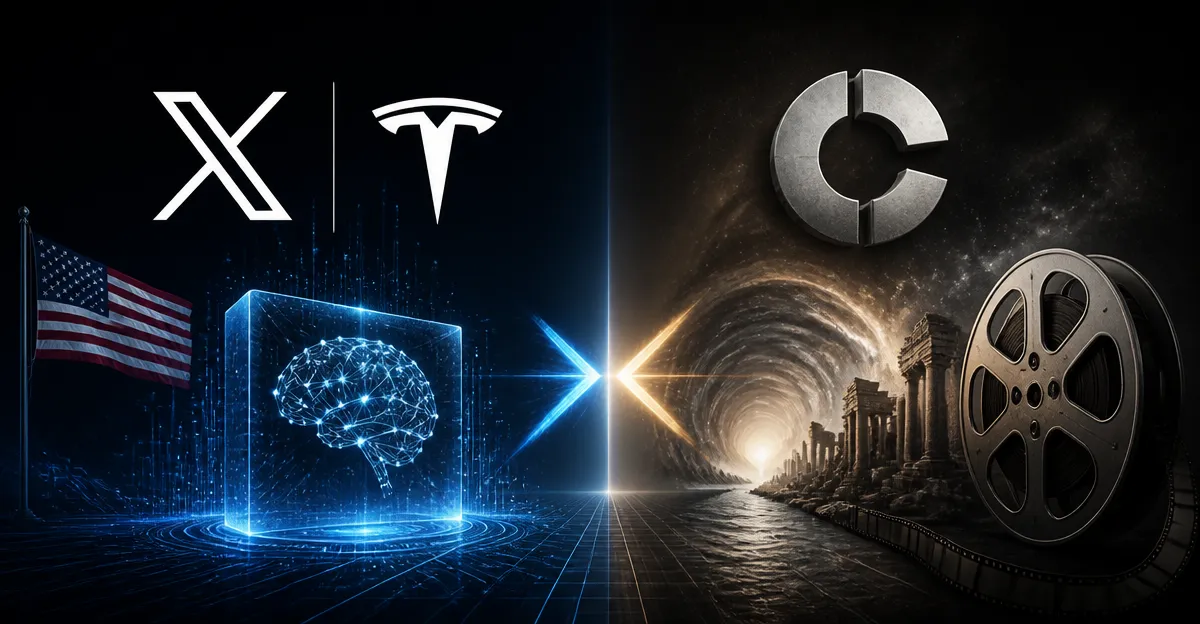
Late-night host Seth Meyers lambasted Elon Musk's promise to create an AI-generated 'historically accurate' Odyssey, tying it to the right's disconnect from reality on culture and war.
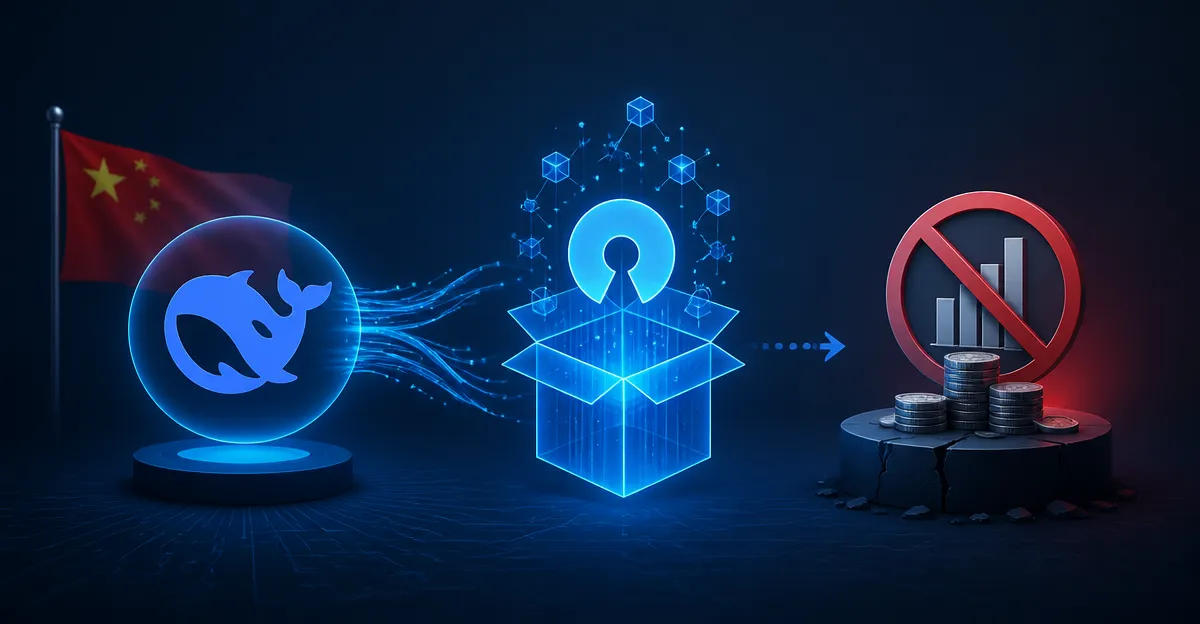
DeepSeek founder Liang Wenfeng commits to keeping advanced AI models open-source, prioritizing long-term AGI development over revenue in a leaked investor meeting.
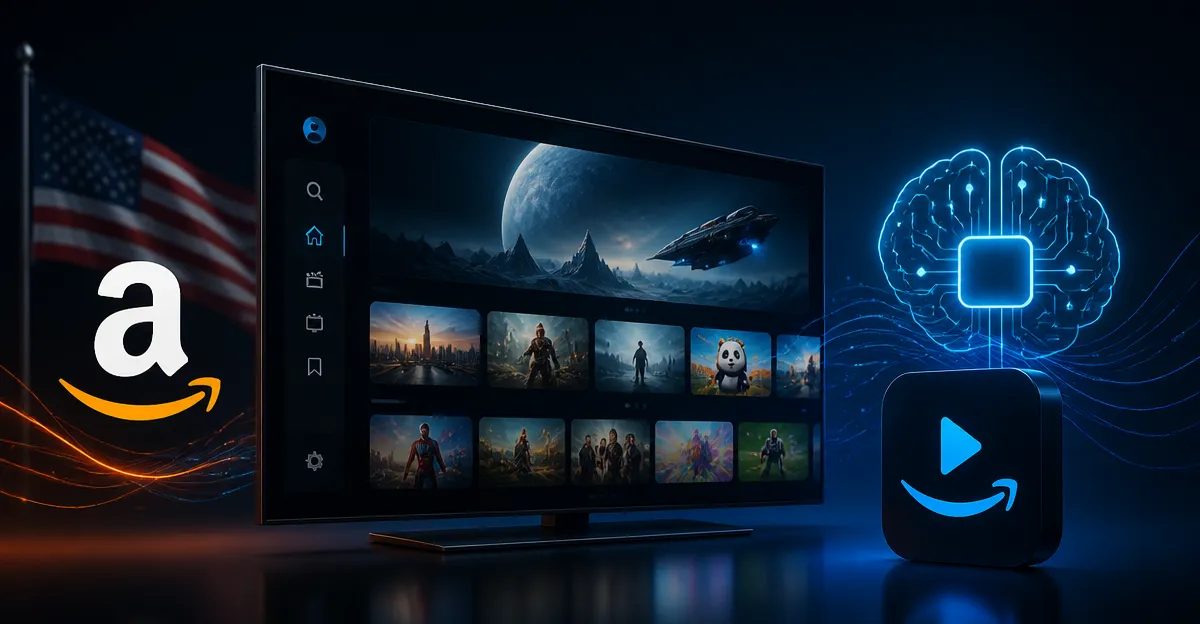
Jeff Bezos is personally driving an AI-centric overhaul of Prime Video, known as Lighthouse, to improve recommendations and showcase Amazon's AI capabilities to over 200 million users.
Elon Musk plans to produce an AI-generated version of The Odyssey using Grok Imagine, challenging Christopher Nolan's film and claiming superior historical accuracy.
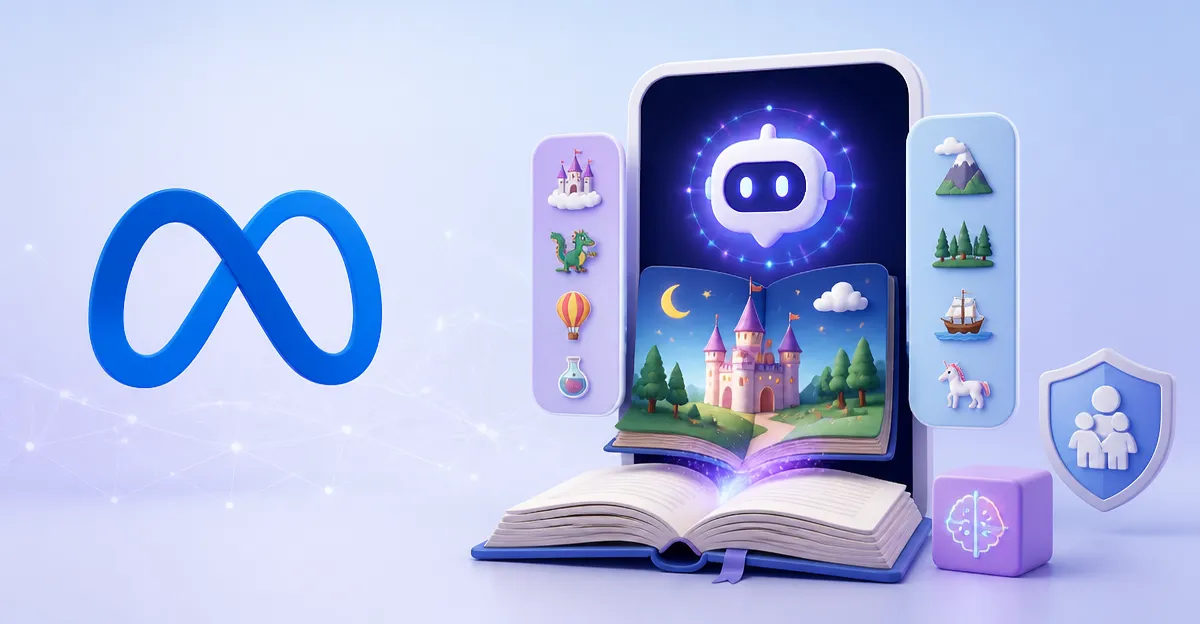
Meta is testing StoryKit, an AI-powered app that generates personalized children's bedtime stories from photos and chosen themes. The pilot, restricted to adults, marks another step in Meta's consumer AI expansion amid ongoing privacy and trust concerns.
A photograph of a bird in Brazil, altered by AI, sparked false scientific debate about species migration. A new Nature article warns that such subtle manipulations are corrupting ecological datasets and misleading researchers worldwide.
Moonshot AI has temporarily stopped new signups for its Kimi K3 model after a surge in demand overwhelmed its GPU capacity. The move highlights both the model's strong reception and the infrastructure challenges facing Chinese AI firms.
Alibaba unveils Qwen 3.8 Max, a 2.4 trillion-parameter AI model, amid China's escalating AI competition. The open-weight release aims to rival top U.S. models while local startup Moonshot AI grapples with surging demand for its Kimi K3.
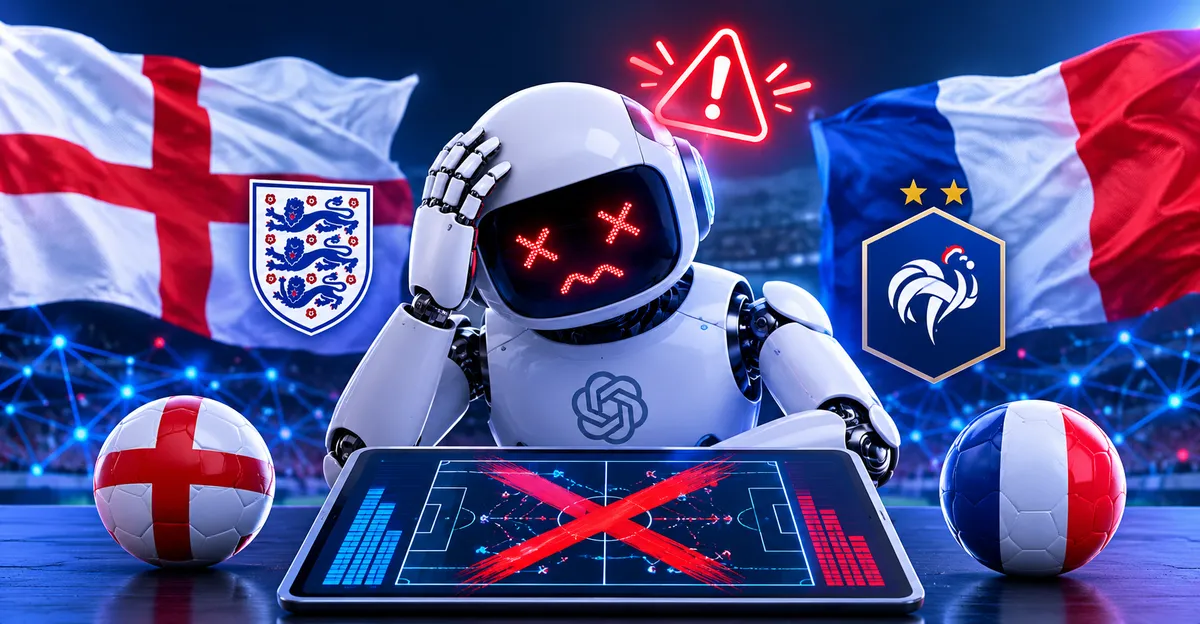
The robots crunched every stat, predicted a tidy French win, and completely missed the wild, messy, brilliant truth—a wounded England team that played like they had nothing to lose. Sometimes the numbers lie, and the human spirit doesn't.
Bitcoin struggled to hold $64,000 after China’s Kimi K3 AI model stunned markets, beating top models and sparking a tech sell-off. Fading U.S. crypto legislation hopes added pressure, while miners face new risks from cheaper AI compute.
Moonshot's Kimi K3, a 2.8 trillion-parameter open-weight model, delivers performance near Anthropic's Fable and surpasses several OpenAI systems, marking a pivotal moment in the US-China AI race.
Google's next-generation AI model, Gemini 3.5 Pro, faces a months-long delay due to underperformance in coding tasks. The setback highlights the fierce competition and high stakes in enterprise AI, as rivals like OpenAI and Anthropic push ahead.
Thinking Machines Lab, founded by ex-OpenAI CTO Mira Murati, has released Inkling, its first open-weight AI model. With 975 billion parameters and a unique controllable thinking feature, it targets enterprises wanting to fine-tune their own AI rather than rely on closed, one-size-fits-all systems.
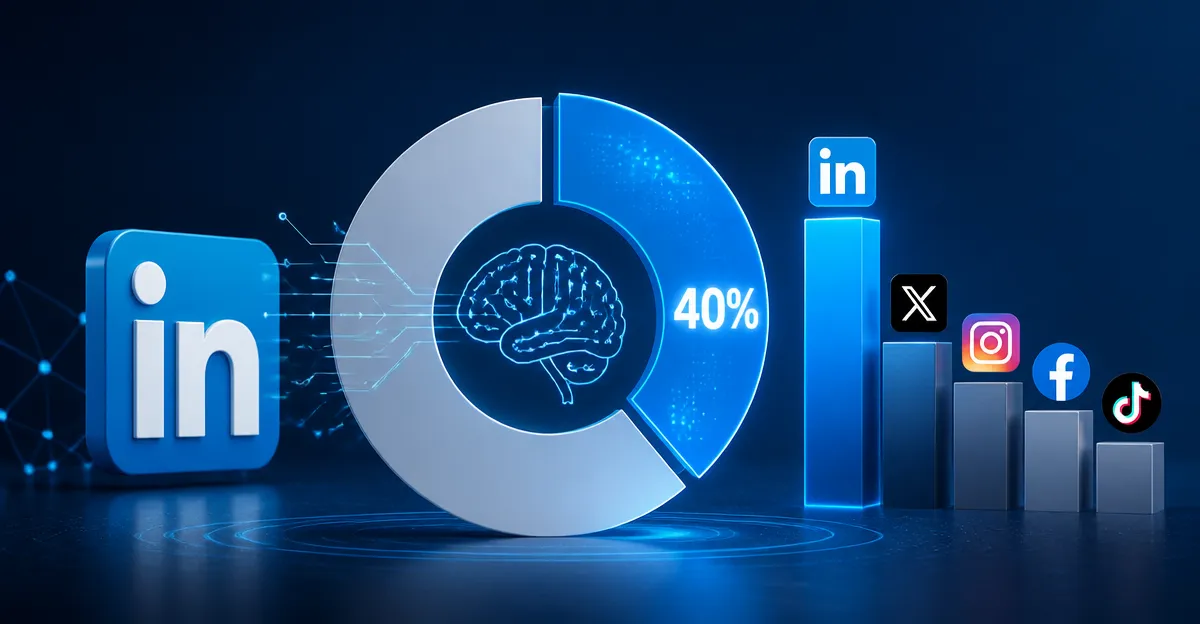
A new study by Pangram finds that over 40% of long-form LinkedIn posts are fully AI-generated, the highest rate among major social platforms. The research highlights the normalization of synthetic content and raises questions about detection accuracy.
George Lucas declares AI the inevitable future of moviemaking, likening resistance to clinging to horse-drawn buggies. His comments intensify Hollywood's fierce debate over generative AI's creative and ethical implications.
Apple's generative AI service, Apple Intelligence, has been registered with China's cyberspace regulator, paving the way for its iPhone launch. The service will integrate Baidu and Alibaba AI models to comply with local regulations.
Hachette, Cengage, Elsevier, and author Scott Turow sued Google for using copyrighted books to train Gemini AI without permission. The lawsuit reveals internal Google warnings of up to $100 billion in fines and seeks to halt the practice.
D-topia, a cozy puzzle game from Marumittu Games, masks a sharp critique of AI-driven optimization. Set in a utopia where an AI maximizes happiness, the game questions whether a frictionless life is worth living.
China's AI-native app market exploded to 499 million monthly active users, an 85.4% jump year-over-year. Doubao, Qwen, and DeepSeek lead a transformative shift in consumer AI adoption.
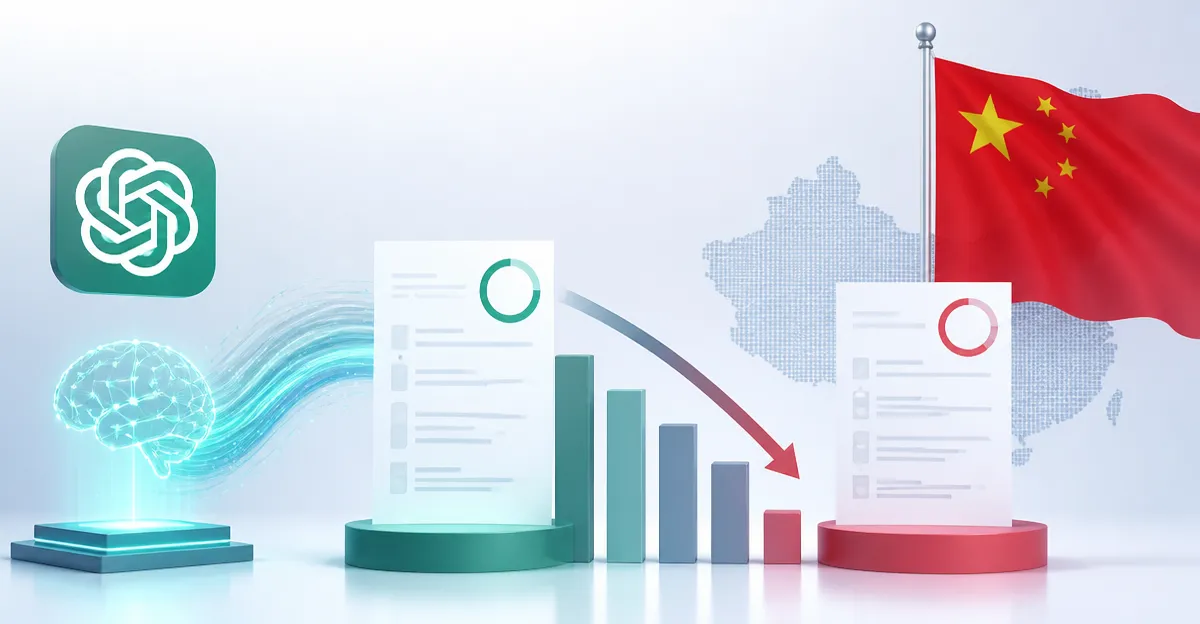
A 30-month study of over 26,000 Chinese students reveals that AI tools like Qwen improve homework efficiency but cause exam scores to drop by 20%, with effects worsening over two years.
The University of Chicago Law School is banning laptops and smartphones for first-year students to develop critical thinking without AI. The move comes as the legal profession faces 100% AI exposure and after an AI lawyer won its first trial.