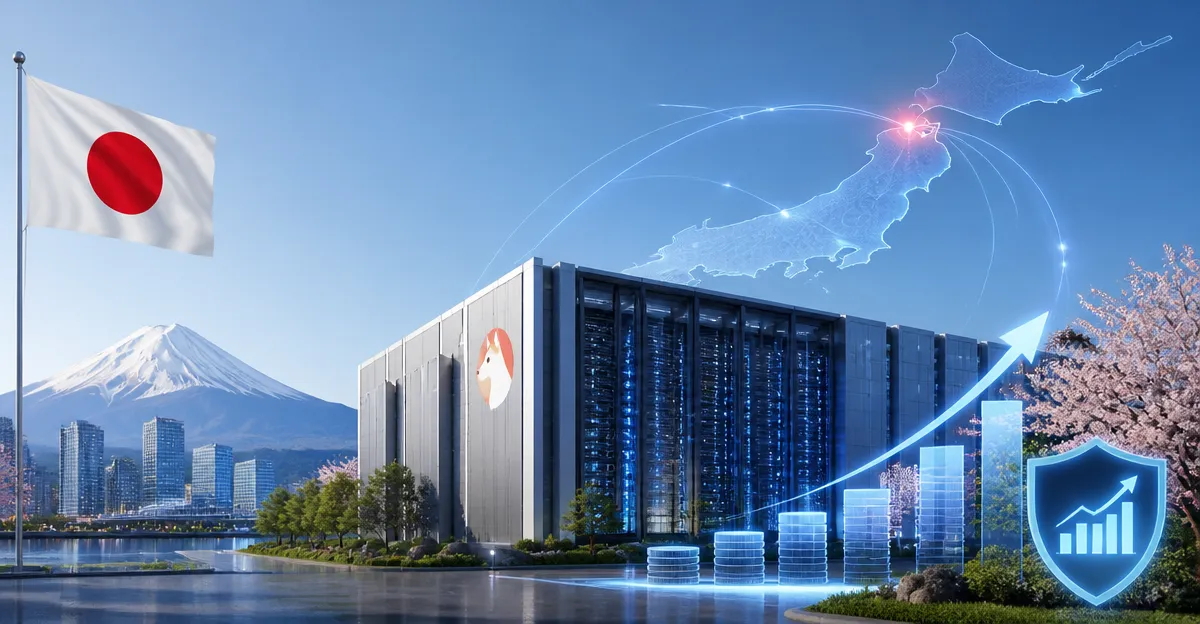
November 11, 2026, (Inside AI) — An artificial intelligence data center under development in Akita Prefecture, northeast Japan, is drawing investor attention from both Japan and the United Arab Emirates, according to sources. The project is expected to anchor a regional technology hub and generate new tax revenue for the area. Specific details on the facility's capacity, investment size, or construction timeline have not been publicly confirmed. Inside AI could not independently verify these claims.
The project fits a broader pattern of AI infrastructure moving to regions with abundant natural resources. Akita, known for its agriculture and renewable energy potential, offers land and power that are increasingly scarce in traditional tech centers like Tokyo and Osaka. The involvement of UAE investors signals growing interest from Gulf states in securing AI computing capacity beyond their borders.
Why Northeast Japan Attracts AI Infrastructure
Japan has been expanding its AI infrastructure to support domestic research and industry. The government has promoted regional revitalization through technology investment. Akita's selection reflects a shift toward siting data centers where energy and land are cheaper and more available. The project could bring jobs and tax revenue to a region facing population decline.
The UAE has been investing heavily in AI and computing infrastructure globally. Its interest in a Japanese data center aligns with a strategy to diversify its technology partnerships. The collaboration could strengthen economic ties between the two countries.
Read: US Power Demand to Hit Record Highs in 2026 and 2027 as AI Surges, EIA Says
However, details remain scarce. Neither the size of the investment nor the identity of the investors has been disclosed. Local officials have not commented publicly on the project's timeline. The lack of transparency raises questions about the project's scale and readiness.
For Akita, the promise of a tech hub is significant. The prefecture has struggled with depopulation and economic stagnation. A data center could serve as an anchor for related businesses and startups. But without concrete details, residents and local businesses remain cautious.
The project also highlights a growing trend of AI infrastructure decentralization. As demand for computing power surges, companies and governments are looking beyond major cities. Regions with renewable energy sources, like Akita's geothermal and wind potential, become attractive. This shift could reshape the geography of the AI industry.
Still, challenges exist. Building a data center requires reliable connectivity and skilled labor. Akita may need to invest in these areas to fully realize the project's benefits. The involvement of UAE investors could bring capital and expertise, but it also introduces dependence on foreign investment.
Analysts note that Japan has been courting foreign investment in technology to boost its competitiveness. The UAE, meanwhile, seeks to position itself as a global AI player. A partnership in Akita could serve both goals. But the project's success will depend on execution and local support.
Read: AI Power Rush Sends Data Centres Hunting for Used Turbines and Jet Engines
For now, the Akita data center remains a work in progress. Its potential to transform the region is real, but so are the uncertainties. As the project advances, more details are expected to emerge. Until then, the region watches with cautious optimism.

If a research paper dropped this week, Mahesh has already read it. He covers AI tools and vibe coding for builders who need to know what is worth their time and what is not.