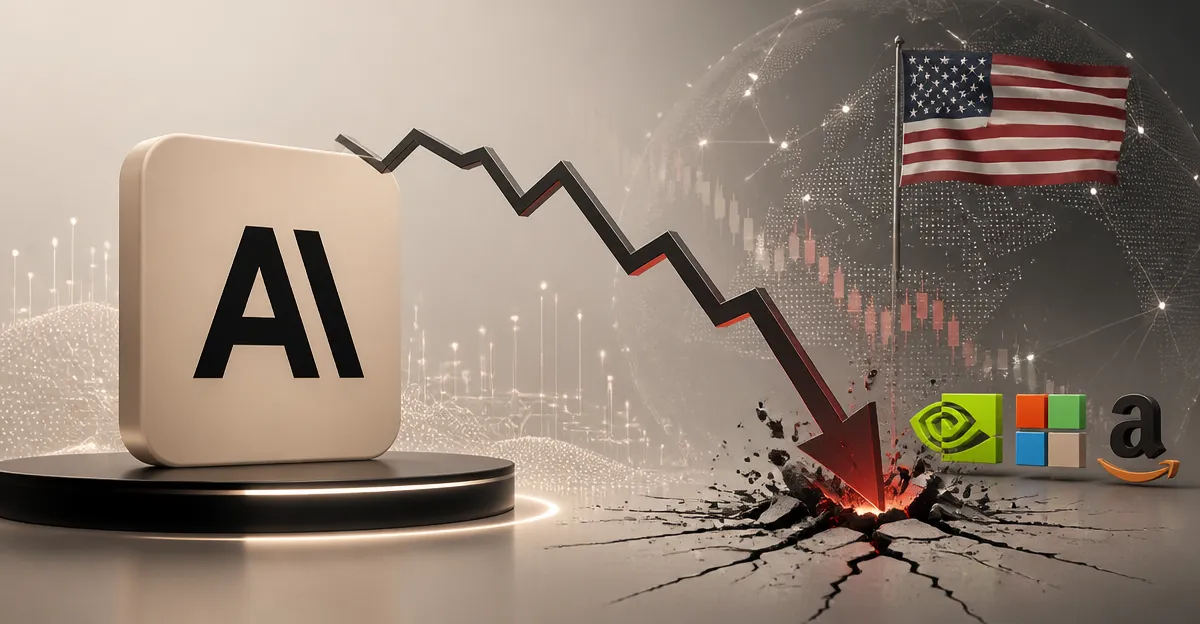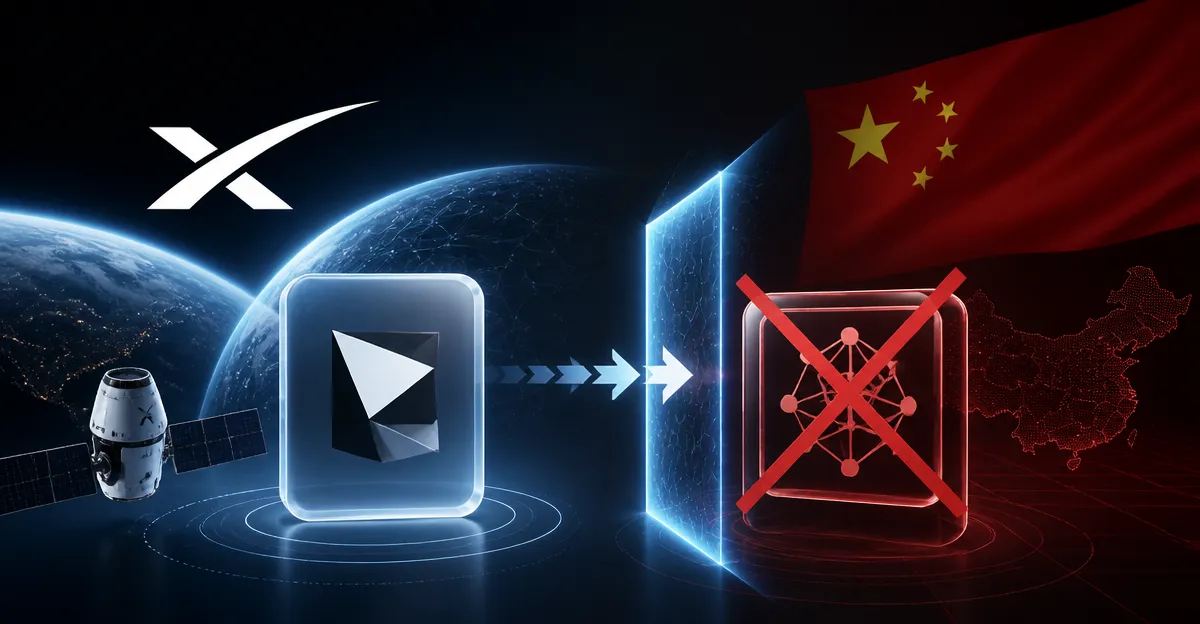
November 20, 2026, (Inside AI) — Cursor, the AI coding platform owned by SpaceX, has told congressional investigators it is weighing a pullback from Chinese AI models, according to a report from the House Committee on Homeland Security and the House Select Committee on China. The disclosure follows a months-long probe into how deeply Chinese models have embedded themselves in the American technology stack.
The report, first detailed by CNBC, states that Cursor "informed the committees" of its plans to reduce reliance on Chinese models. The company cited "geopolitical risk" as the driver, a phrase that has become a standard justification for supply-chain diversification in Washington and Silicon Valley alike. SpaceX, Cursor, Airbnb, DoorDash and the congressional committees did not immediately respond to requests for comment.
The timing is notable. Reuters reported earlier this week that the Trump administration is considering a disclosure regime that would require U.S. companies to publicly reveal their use of Chinese AI models. The Treasury Department and the White House Office of Science and Technology Policy have discussed the plan, which would apply to firms including Airbnb, according to sources familiar with the matter. The proposal stops short of an outright ban, reflecting a deliberate effort to discourage reliance on Chinese technology without triggering industry backlash or a diplomatic rupture with Beijing.
The Cursor disclosure signals that congressional pressure is already producing corporate behavior change, even before any formal rule takes effect. Airbnb and DoorDash also engaged with the investigation about their own use of Chinese models, according to the report. Neither company has publicly detailed the extent of that reliance.
Read: US Tightens AI Chip Export Rules, Targets Remote Cloud Access from China
Why Cursor's China Stance Carries Outsized Weight
Cursor is not a typical enterprise software vendor. SpaceX acquired Anysphere, the startup behind Cursor, earlier this year in a $60 billion all-stock deal aimed at strengthening its position in the enterprise AI tools market. The platform has become a favored coding environment for professional developers, and SpaceX is developing its Grok family of AI models in collaboration with Cursor, which has been involved in their training. That relationship makes Cursor's model-sourcing decisions a matter of strategic importance beyond its own user base.
The congressional investigation appears to have focused on a specific vulnerability: the quiet adoption of Chinese open-weight models by American developers. These models, often released under permissive licenses, have gained traction because they are cheap to run and competitive in performance. But they also create dependency on foreign research ecosystems, a concern that has moved from academic debate to legislative scrutiny.
The administration's disclosure plan, if implemented, would create a public registry of sorts for corporate AI dependencies. Companies would have to name the Chinese models they use, exposing procurement choices to investor and public scrutiny. The Treasury Department's involvement suggests the plan may be tied to financial reporting requirements or national security reviews rather than pure technology policy.
For Cursor, the calculus is complicated. Phasing out Chinese models could disrupt existing workflows and require retraining or reconfiguring internal systems. But staying put carries reputational and regulatory risk, particularly as SpaceX's Grok models become more central to the company's AI strategy. The disclosure to congressional committees may be a preemptive move, designed to demonstrate good faith before any formal inquiry escalates.
The broader industry has been here before. The U.S. government's campaign against Chinese telecommunications equipment in the late 2010s followed a similar arc: initial concerns, voluntary disclosures, then mandatory restrictions. AI models may follow that path, though the technical and commercial stakes are different. Unlike hardware, AI models can be swapped with relative ease, but the switching costs are not zero, and the performance trade-offs can be significant.
Read: Nvidia Scandal Fuels Washington Push for Tighter China Chip Export Controls
Airbnb and DoorDash's engagement with the investigation suggests the probe is widening. Neither company has confirmed which Chinese models they use or whether they plan to change course. Their participation may be voluntary or compelled, and the report does not specify. What is clear is that congressional committees are now actively mapping the presence of Chinese AI in American companies, a process that could produce more disclosures in the coming months.
The Trump administration's disclosure plan remains under discussion. No timeline has been announced, and it is unclear whether it would apply retroactively or only to future procurement. The Treasury Department and the White House Office of Science and Technology Policy have not released details. For now, Cursor's statement to Congress stands as the most concrete signal that the pressure campaign is having an effect.
SpaceX's acquisition of Anysphere was completed earlier this year, and the integration of Cursor into SpaceX's AI ambitions has been rapid. The company has not publicly commented on the congressional report or its model-sourcing strategy. Developers who rely on Cursor for daily work may soon face a changed toolset, though the company has not announced any immediate changes.
The investigation's findings could also influence how other AI platforms approach Chinese models. If Cursor, with SpaceX's resources and political connections, is moving away, smaller companies may feel pressure to follow. The disclosure regime, if enacted, would make that pressure explicit and public.

Sofia spent years studying how machines parse human language before pivoting to cover the systems now rewriting it. She reads technical papers the way others read news and looking for what the numbers are actually saying beneath the headlines.