August 19, 2026, (Inside AI) — A Chinese robotics maker just delivered one of the most dramatic rallies in the sector’s history. Unitree, known for its quadruped and humanoid machines, surged by 600% in a move that has stunned even seasoned tech investors.
The spike came as bond yields hovered near multi-decade highs. Investors are demanding more compensation for holding long-term government debt, a signal that risk appetite is shifting across global markets. The rally in Unitree stands out against that cautious backdrop.
The surge was reported in a Reuters podcast episode titled “Robot Rally.” The episode, produced by Eliza Davis Beard and Abisoye Osundairo, framed the Unitree move as a key market event. Sound engineering and music were handled by Sebastian and Josh Sommer.
The timing matters. U.S. President Donald Trump delayed planned tariff hikes on Canadian goods as negotiations on a trade deal continue. That decision removed some near-term uncertainty for companies with cross-border supply chains, including robotics firms that depend on imported components.
Why a 600% surge defies market gravity
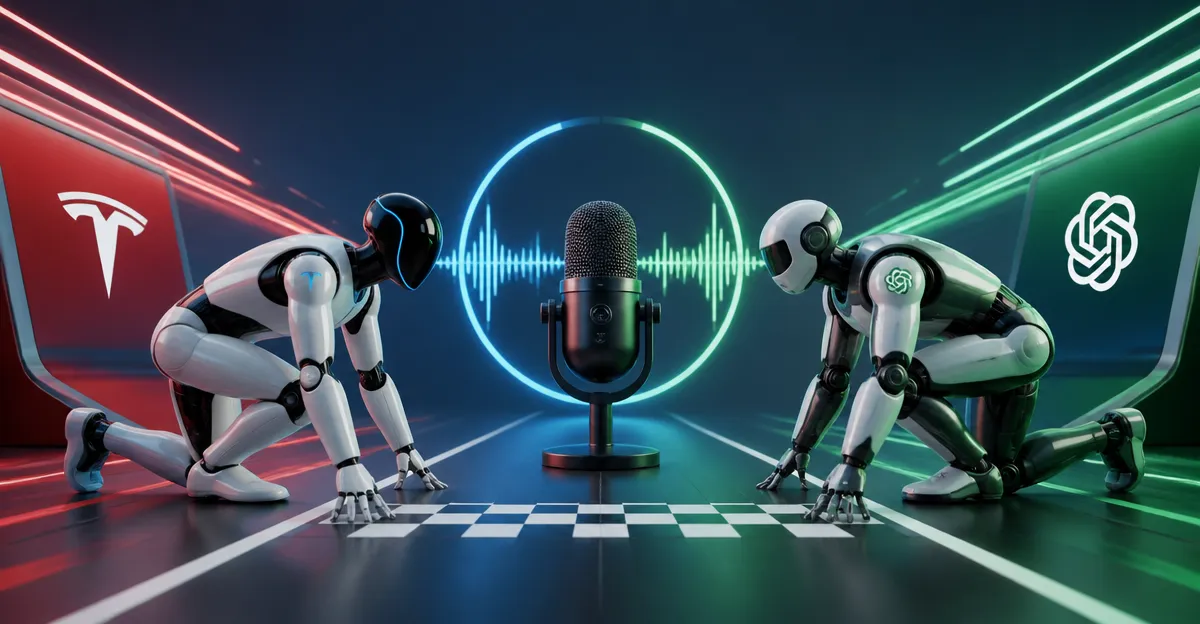
Unitree’s jump did not happen in isolation. The company has been building momentum in the humanoid robot space, competing with firms like Boston Dynamics and Tesla’s Optimus program. Its low-cost quadruped robots have attracted developers and researchers worldwide.
But a 600% surge raises questions about valuation. No major revenue disclosure accompanied the move in the podcast summary. That gap leaves room for skepticism about whether the rally reflects fundamentals or speculative momentum.
Investors are also watching central bank policy. Higher bond yields typically pressure growth stocks, especially in capital-intensive sectors like robotics. Unitree’s rally defied that logic, suggesting that some buyers see robotics as a hedge against labor shortages and demographic decline.
The Reuters podcast also recommended a read by Mike Dolan titled “Three midweek thoughts – dodging AI, uber bulls and intervention flub.” Dolan’s work often examines how AI narratives influence market behavior. His Morning Bid newsletter and Reuters Open Interest columns provide daily context on these themes.
The trade deal wildcard behind the rally
Trump’s tariff delay on Canadian goods was not a minor footnote. Robotics supply chains rely heavily on aluminum, steel, and specialized electronics. Canada is a key supplier of raw materials used in manufacturing robotic frames and actuators.
A prolonged tariff dispute could have raised input costs for Unitree and its rivals. The delay gave markets breathing room. It also signaled that the administration is open to negotiation, which reduced tail risk for exporters.
Still, the rally’s sustainability is unclear. Unitree has not released audited financials that justify a 600% increase. Investors should watch for order announcements, government contracts, or export deals that could validate the move.
For now, the “Robot Rally” episode captures a moment when robotics broke out of niche coverage into mainstream financial news. Whether that attention converts into durable gains depends on execution, not enthusiasm.