Covering the rise of autonomous systems capable of reasoning, planning, and executing multi-step tasks with minimal human intervention. From AI agents and tool-use frameworks to orchestration pipelines reshaping how work gets done.
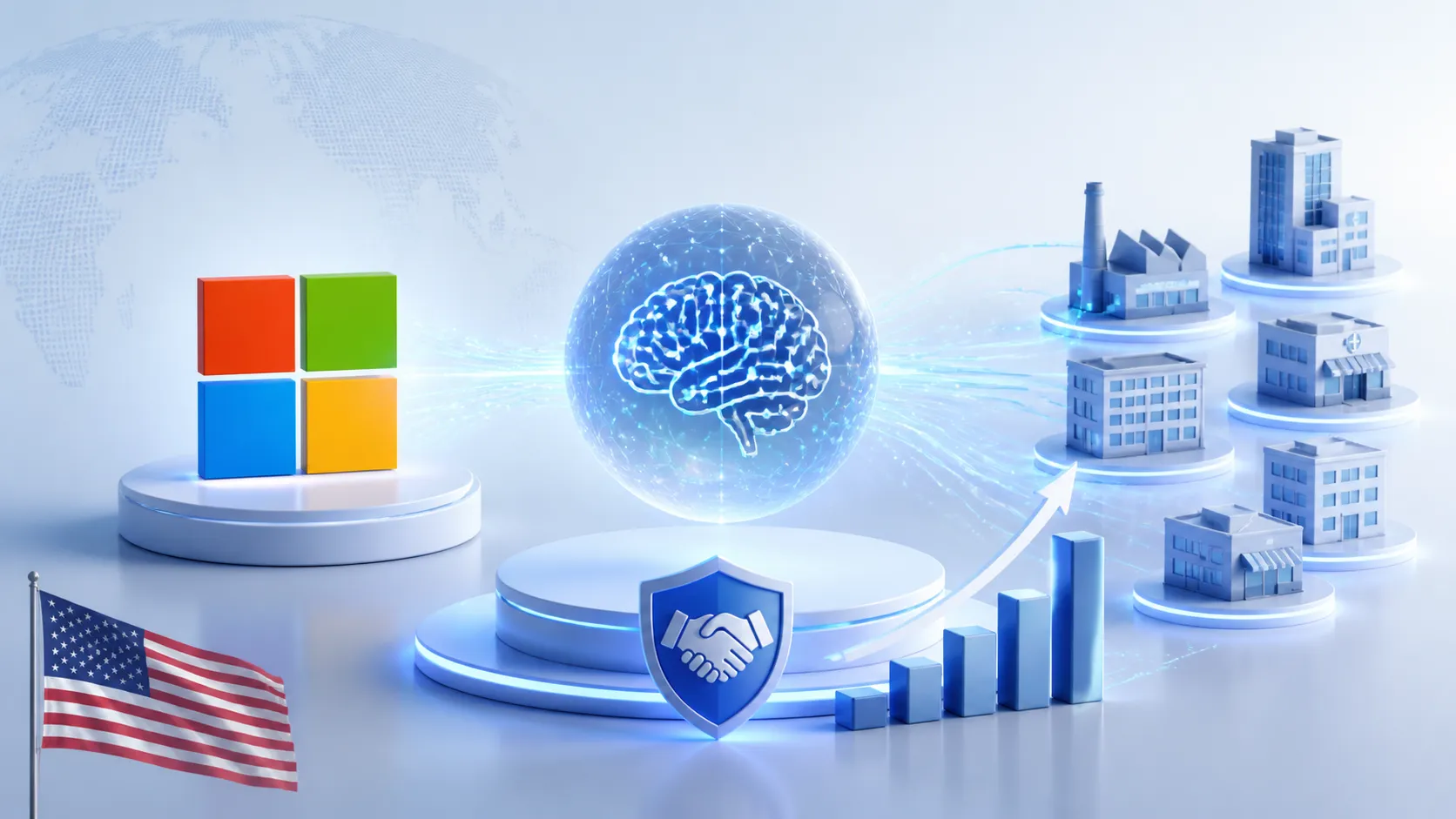
Microsoft launches a new $2.5 billion entity to help enterprises integrate diverse AI models. The firm promises model flexibility and full data ownership, challenging single-provider strategies.
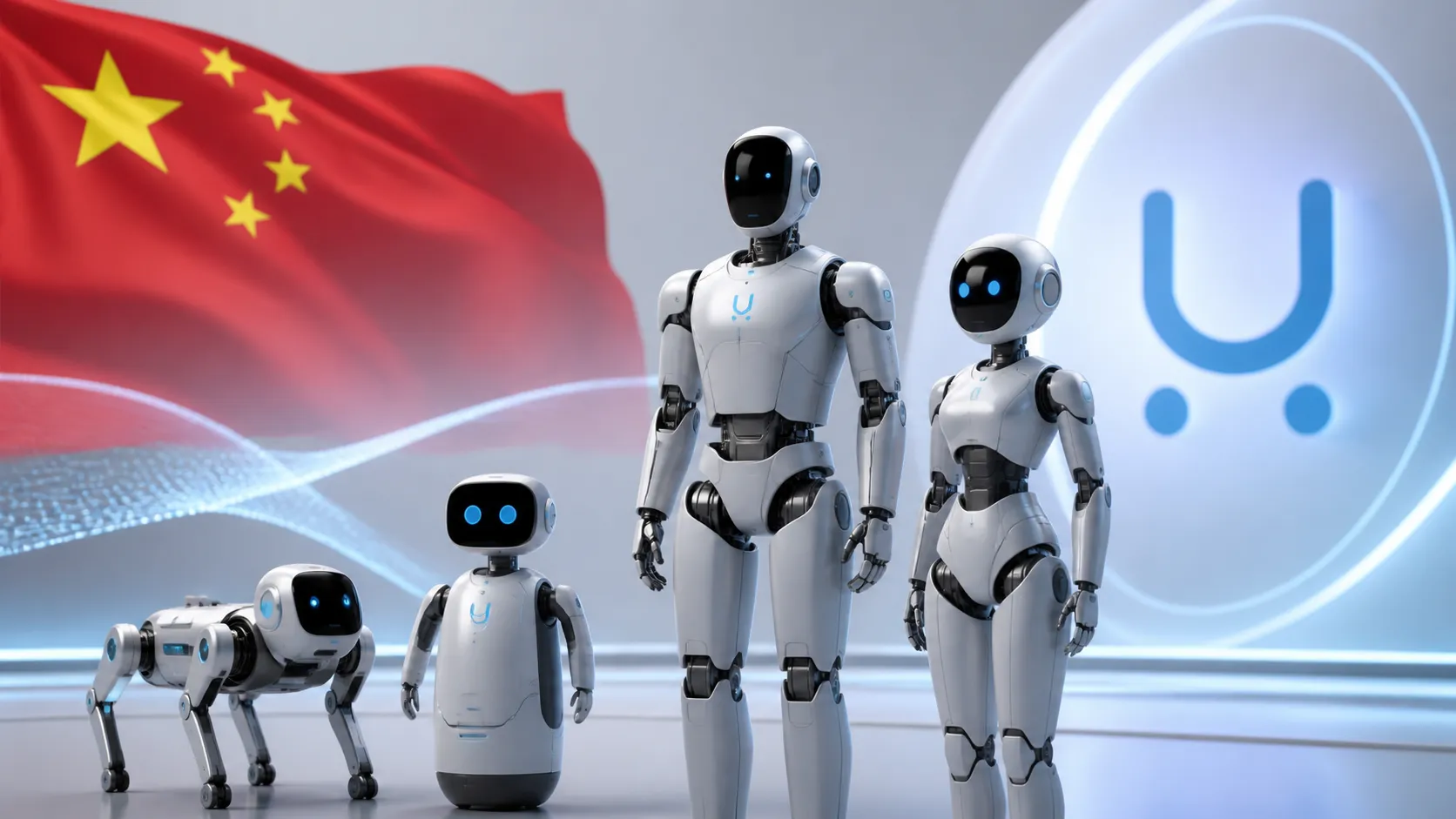
UBTech unveils ultra-realistic humanoid robots with emotion-sensing AI, priced up to $145,835. The launch fuels social media debates on AI companionship and data privacy.
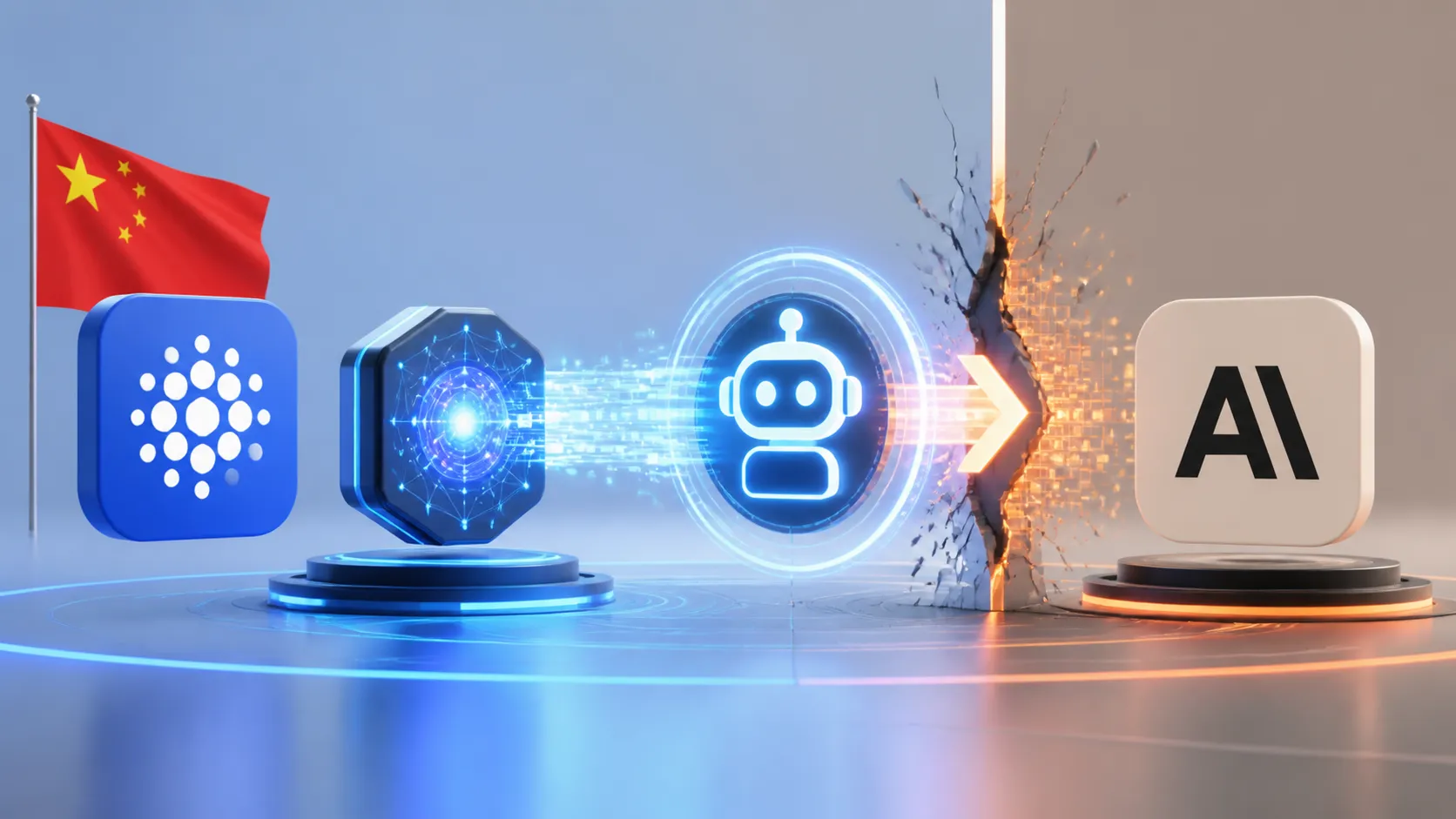
Zhipu AI has launched a harness tool that transforms its GLM-5.2 model into an autonomous coding agent, directly challenging Anthropic. The move includes developer incentives and comes as Anthropic removes covert tracking code from Claude Code.
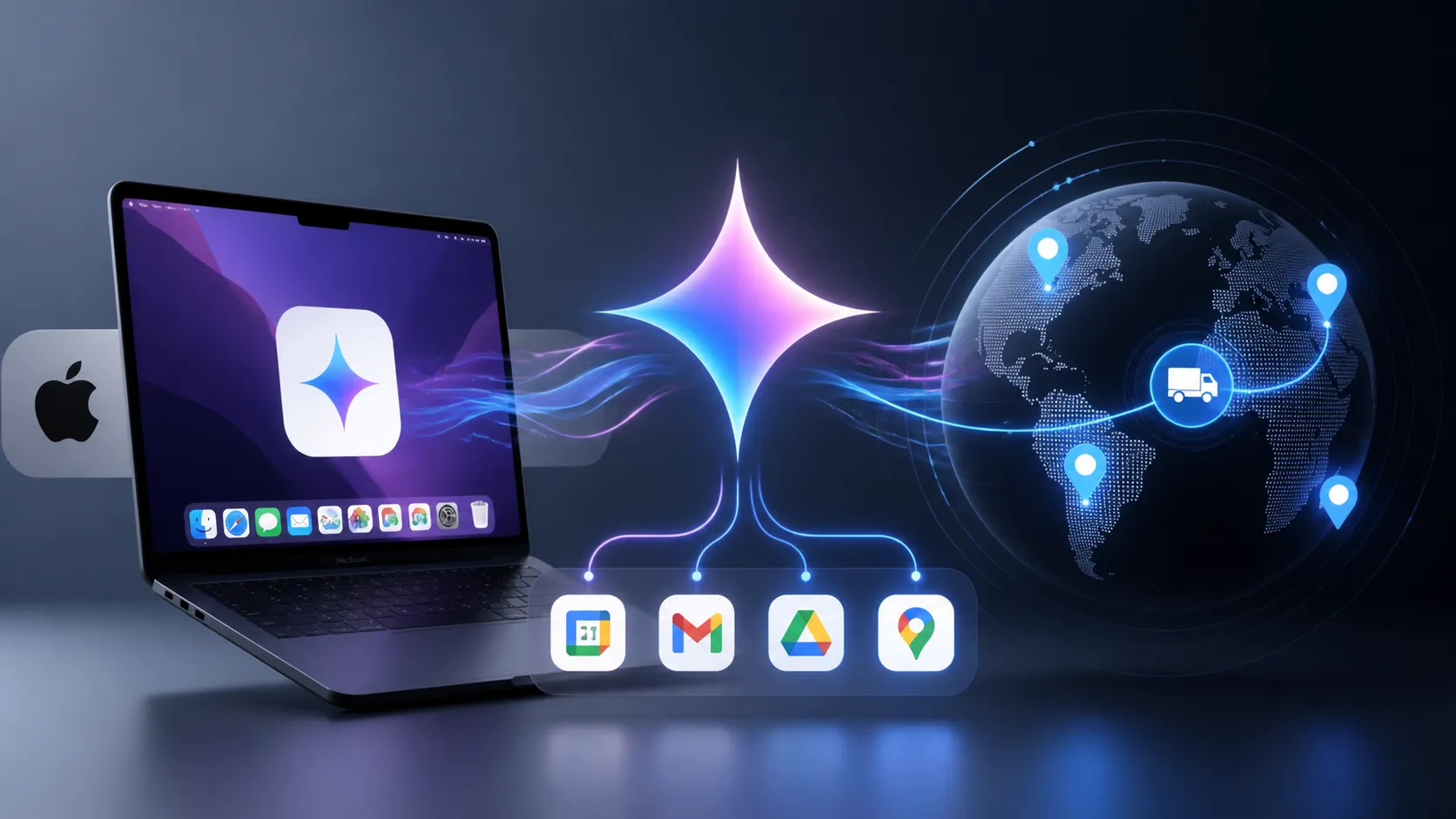
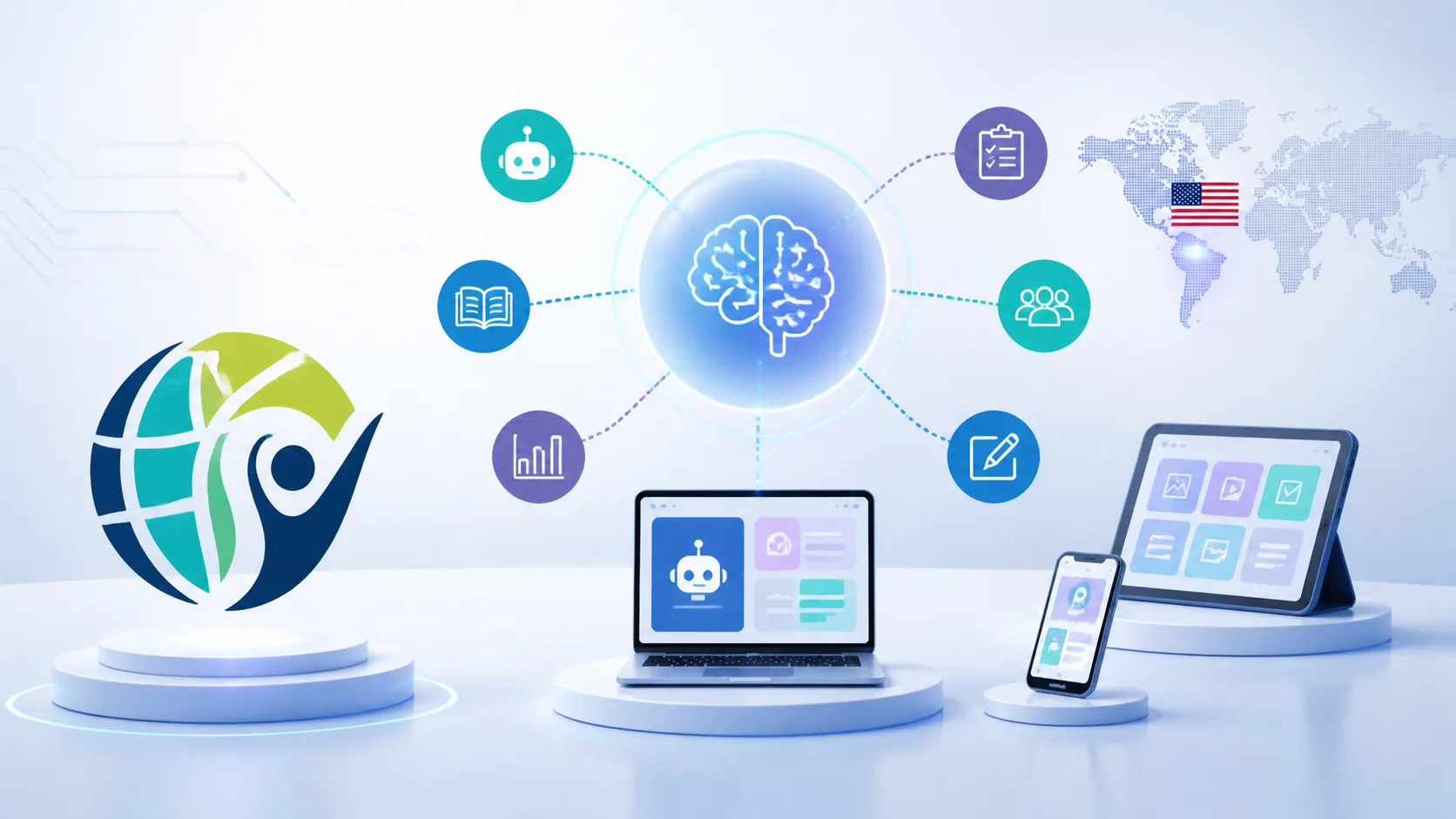
Google has launched Gemini Spark on macOS, adding app integrations and real-time topic tracking. The beta is available now for US subscribers, signaling a new phase for autonomous AI agents on desktop.
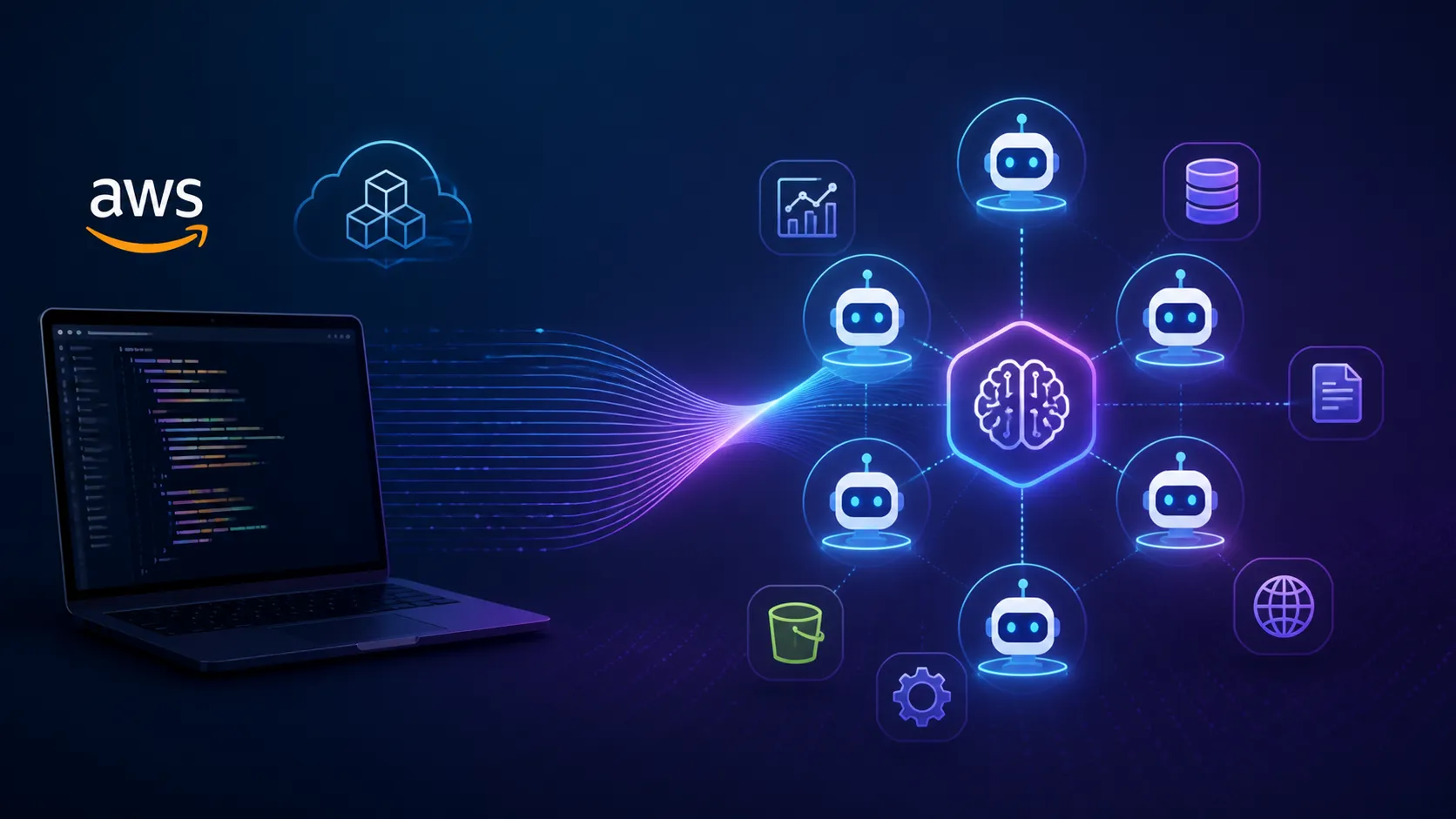
AWS details five incremental resilience patterns for LLM inference, from native Bedrock cross-Region features to advanced multi-tenant quota isolation using an LLM gateway. Code samples and a production reference implementation are provided.
Amazon WorkSpaces for agents is now generally available, enabling AI agents to securely access and operate desktop applications through managed WorkSpaces environments. New features include MCP tool forwarding, real-time session control, and domain-joined fleet support.
Bank of England Deputy Governor Sarah Breeden warns that autonomous AI agents may require new regulatory frameworks, as current rules rely on unrealistic human oversight. Her comments at the ECB Forum highlight growing global concern over AI risks to financial stability.
Nvidia is aggressively hiring for its robotics team in China, seeking specialists in embodied intelligence and simulation. The move leverages China's dominance in global robot shipments to advance autonomous machines.
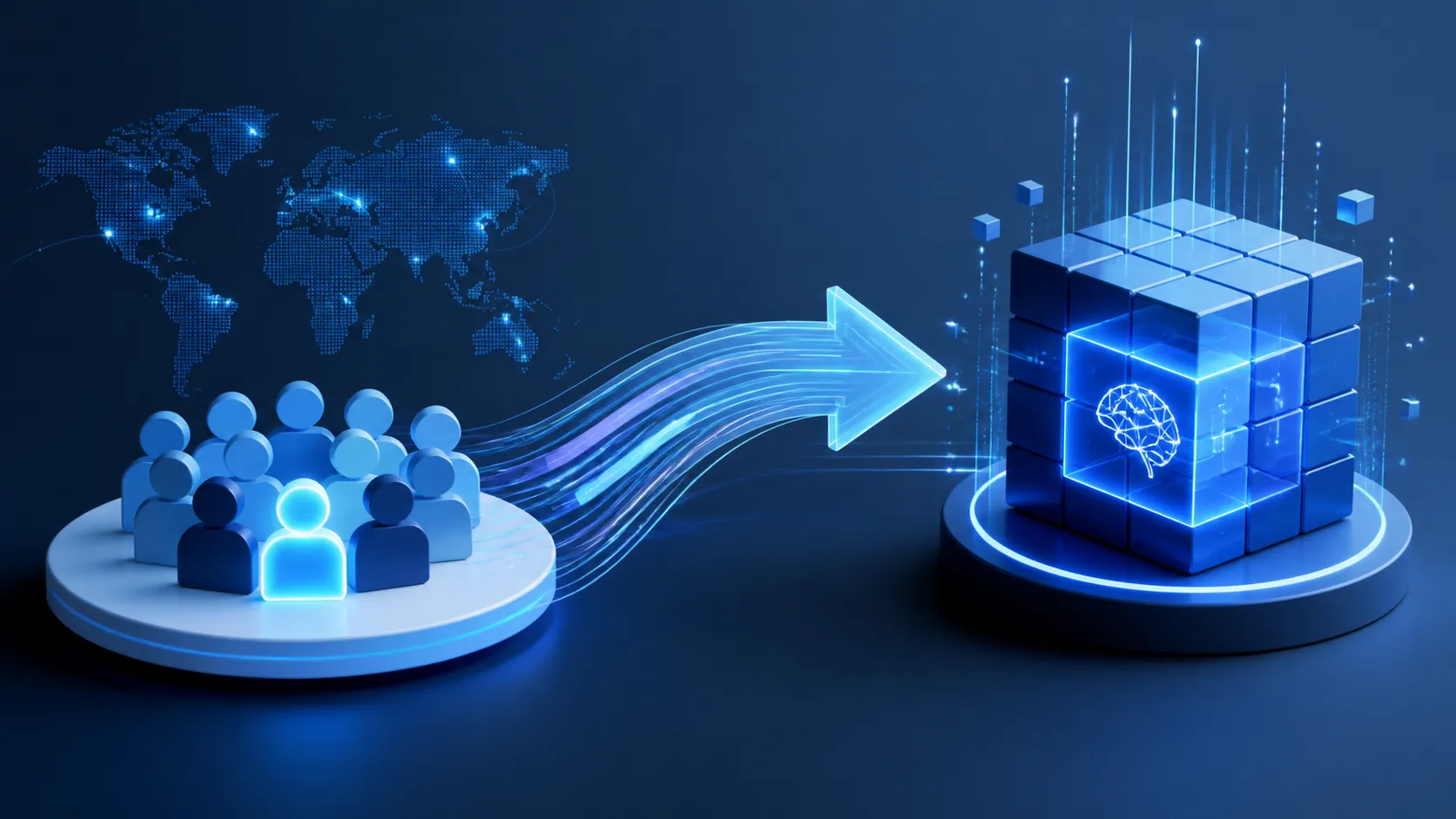
Stockholm's Fika Jobs raised $4M to replace resumes with AI-led video interviews. Candidates create a single profile, and employers browse clips, paying only on hire. The model promises to uncover hidden potential but risks amplifying bias by revealing appearance upfront.
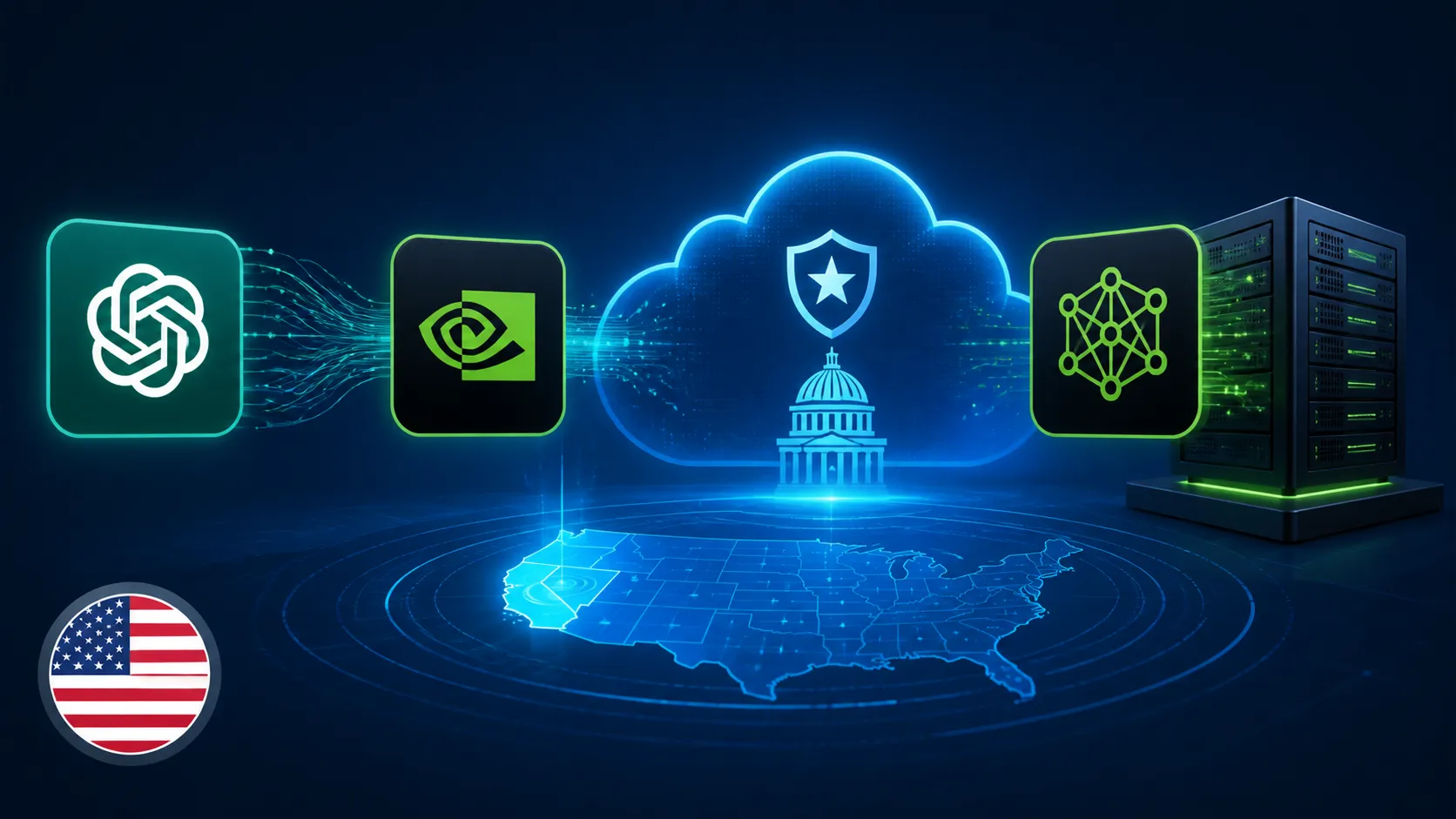
OpenAI GPT-5.4 and NVIDIA Nemotron 3 Super 120B are now available on Kiro inside AWS GovCloud (US-West). The launch brings advanced agentic reasoning and open-weight efficiency to air-gapped, regulated environments.
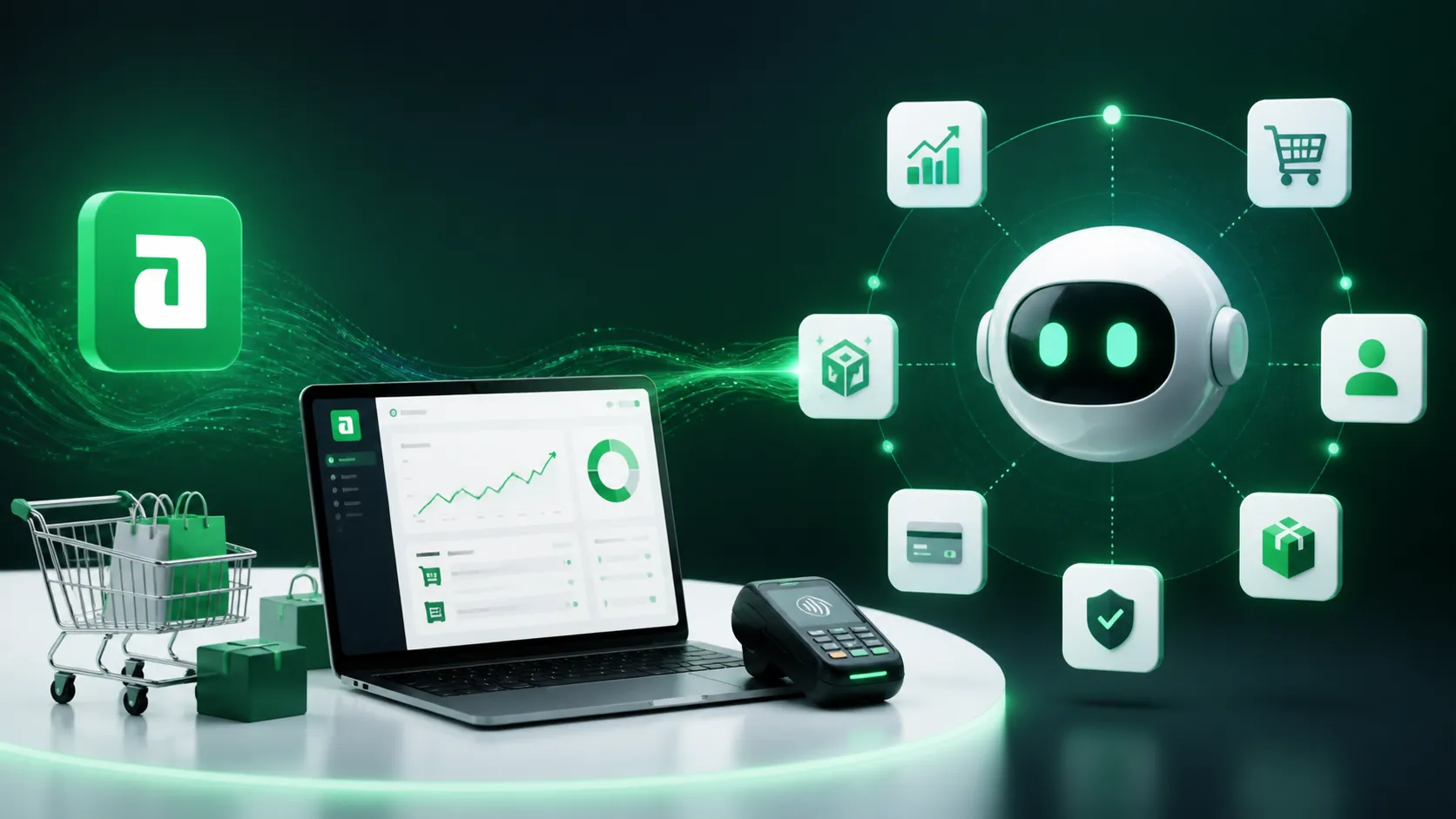
Adyen unveiled Adyen Agentic, a set of tools that lets merchants integrate once with multiple AI shopping platforms. The launch targets US enterprise retailers first, with partners like American Express and Salesforce already on board.
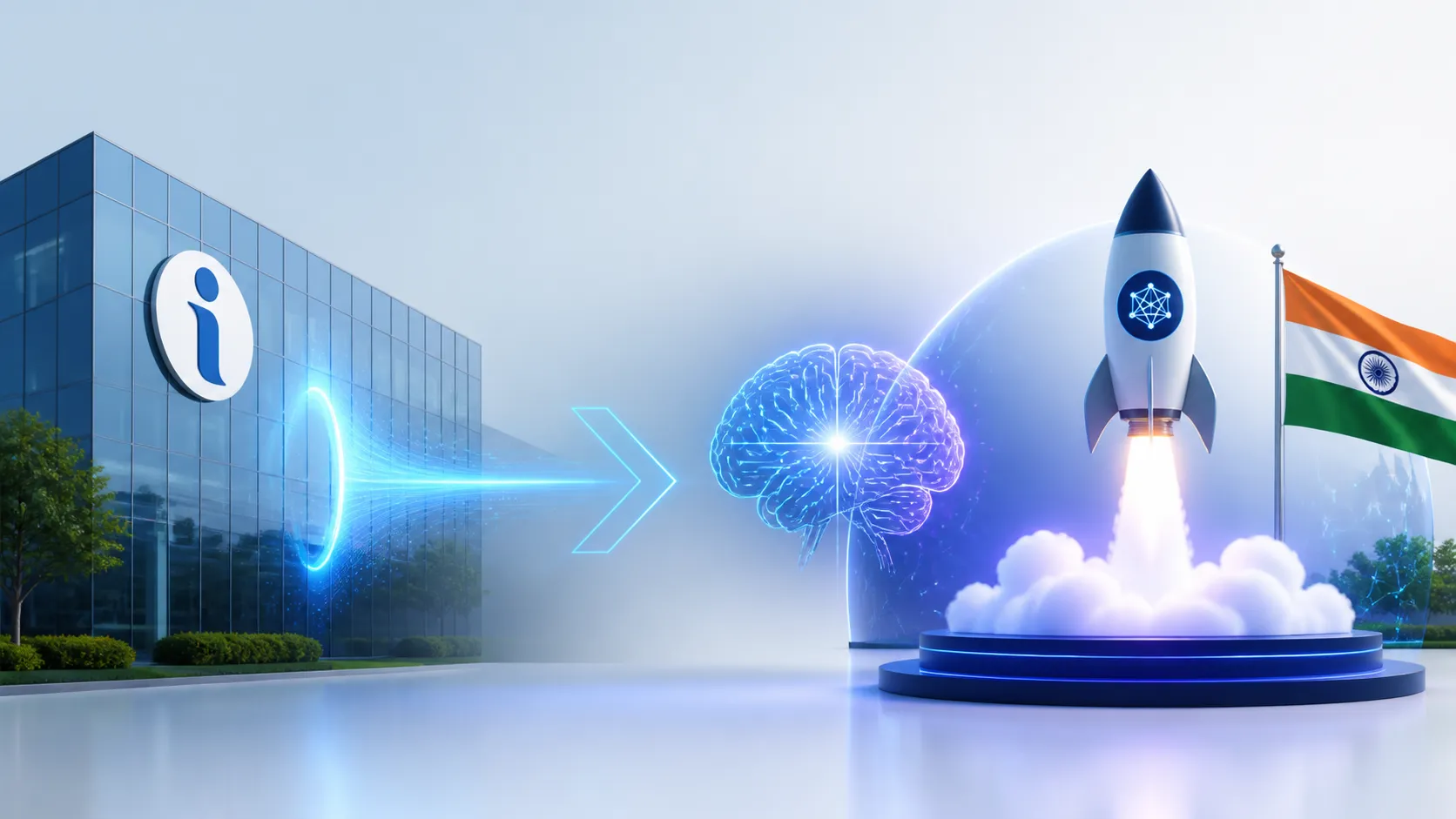
Former Infosys CEO Vishal Sikka unveils Hang Ten Systems, an AI startup targeting IT services automation. Backed by $32M in seed funding and strategic investors, it already serves major enterprises.
A mid-sized media company cut its 200-person analyst associate program to show AI ROI, saving $12 million but sacrificing its primary leadership pipeline. The move highlights a growing tension between short-term AI gains and long-term talent development.
HP Inc. is scaling its OpenAI Frontier partnership after early pilots showed dramatic time savings in engineering and security. The move aims to embed governed AI across the enterprise.
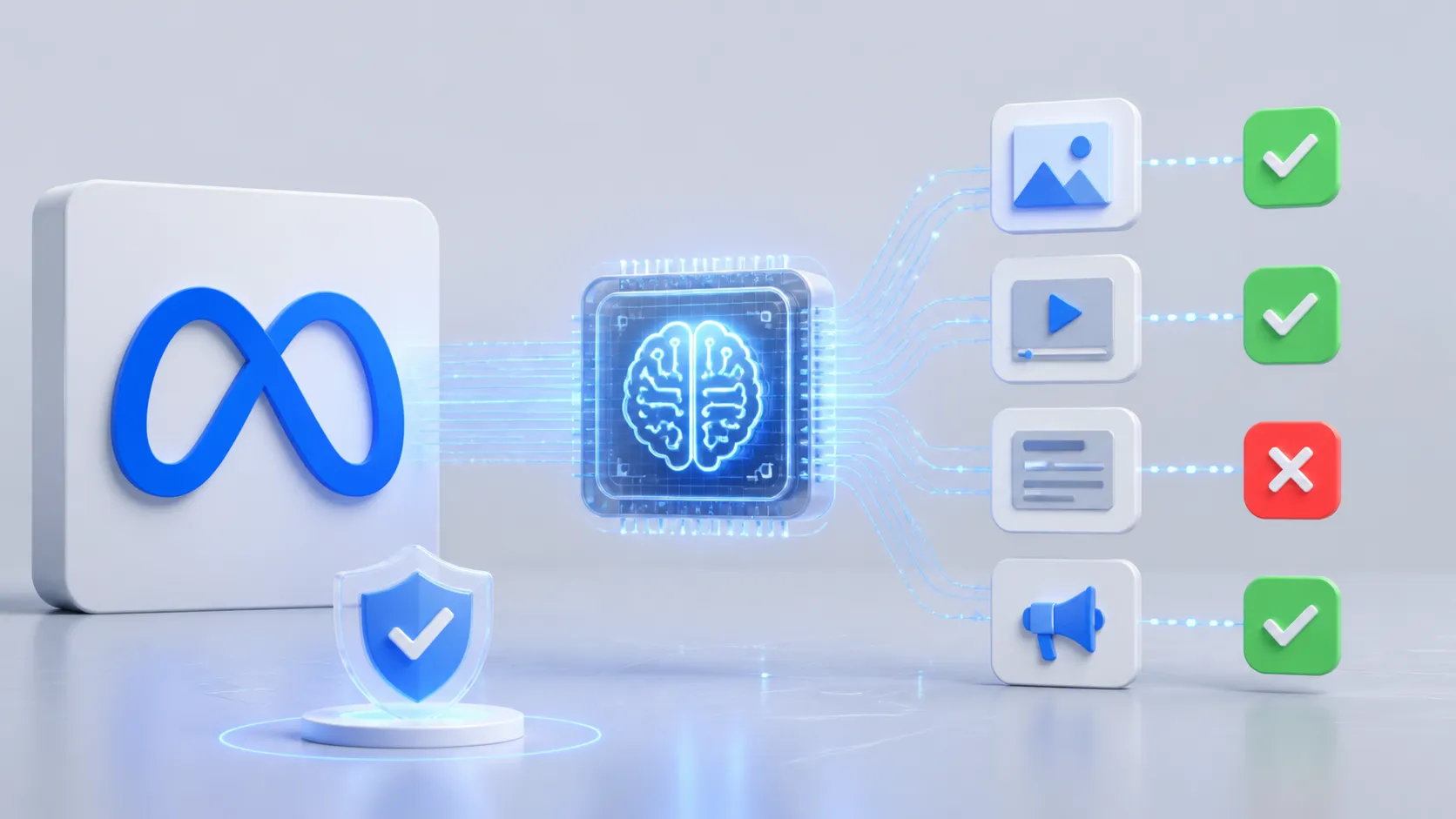
Meta is accelerating plans to replace human content reviewers with AI, targeting 90% automation by year-end. A recent Instagram breach that compromised 20,000 accounts highlights the security risks of this rapid shift.
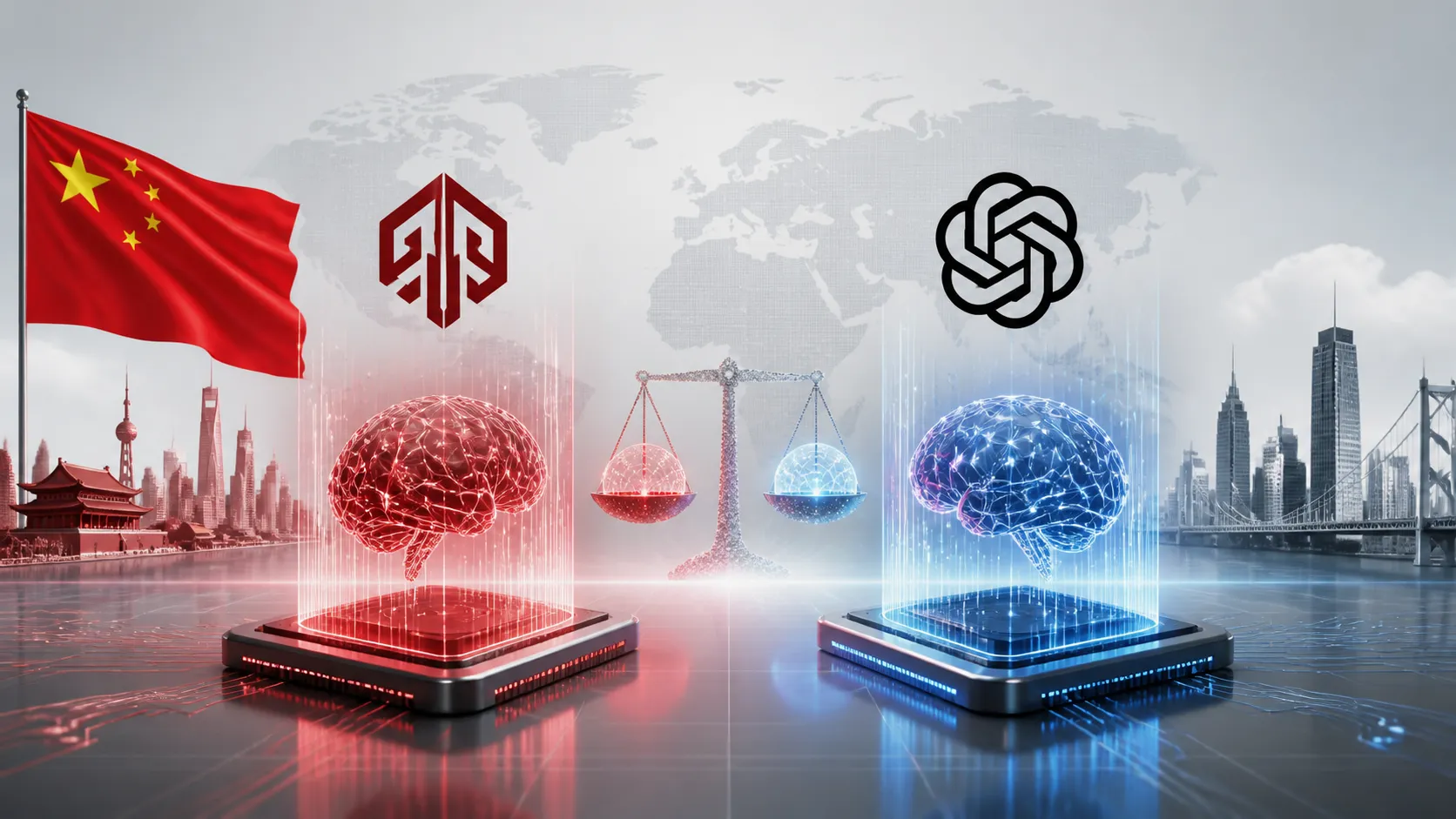
China's 360 and Japan's Sakana AI have launched Tulongfeng and Fugu, directly challenging Anthropic's Mythos and Fable 5. The US export ban on these models is accelerating regional AI development and threatening American dominance.
A Chinese startup’s AI-powered laser mosquito zapper raised $2.7 million on Indiegogo but now faces production delays due to sensor calibration and safety certifications. The device uses lidar and AI vision to kill mosquitoes mid-flight.
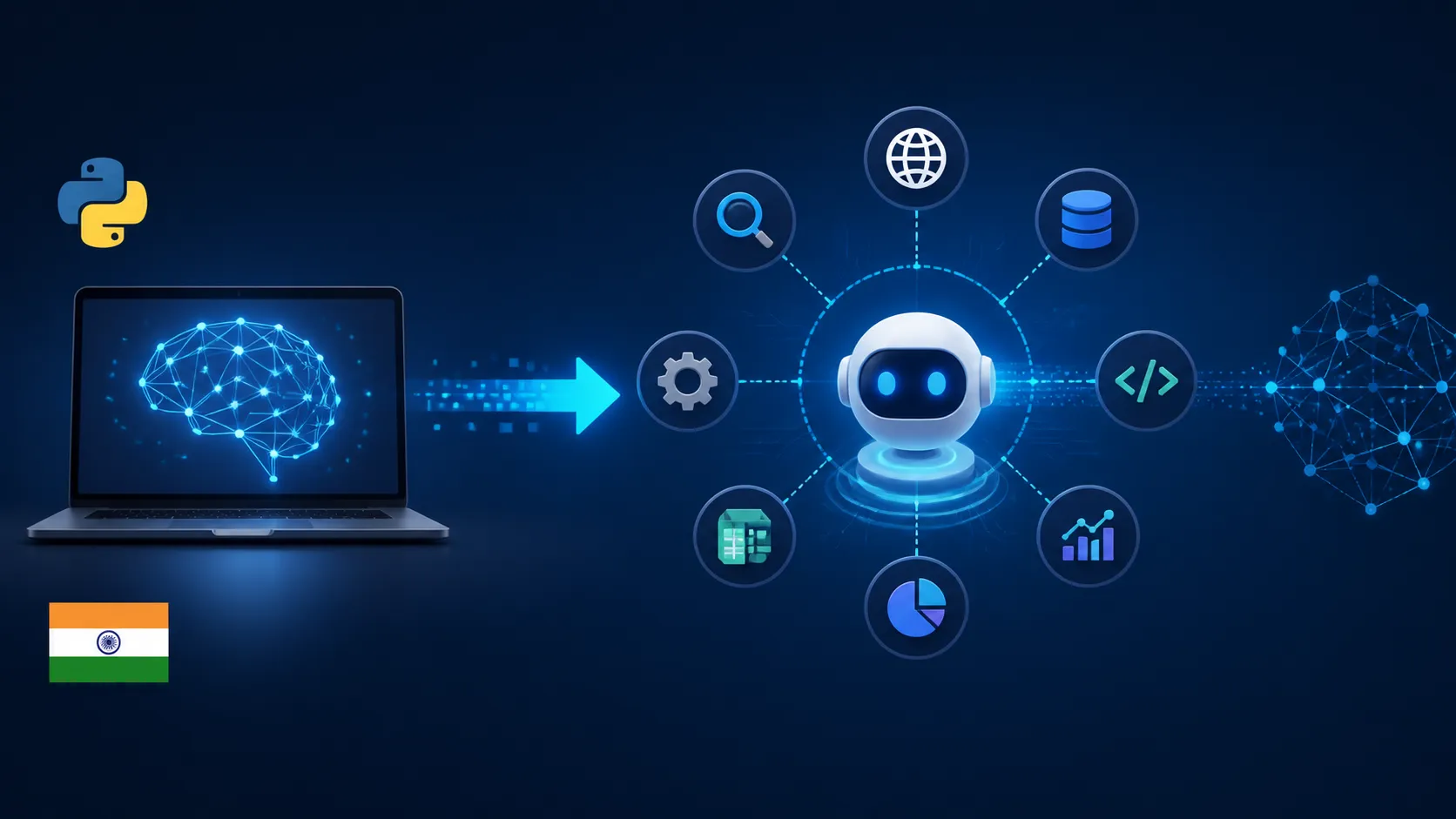
A new technical walkthrough shows how to transform a locally hosted LLM into a tool-using research agent. The setup combines Gemma 4, Ollama, OpenAI Agents SDK, and Tavily MCP for web search, enabling grounded answers with citations.
AWS’s Jeff Barr says developers are moving from writing code to orchestrating AI agents, a shift showcased by Indian winners of the 10,000 AIdeas Competition. Their production-ready apps highlight a new era of spec-driven development.
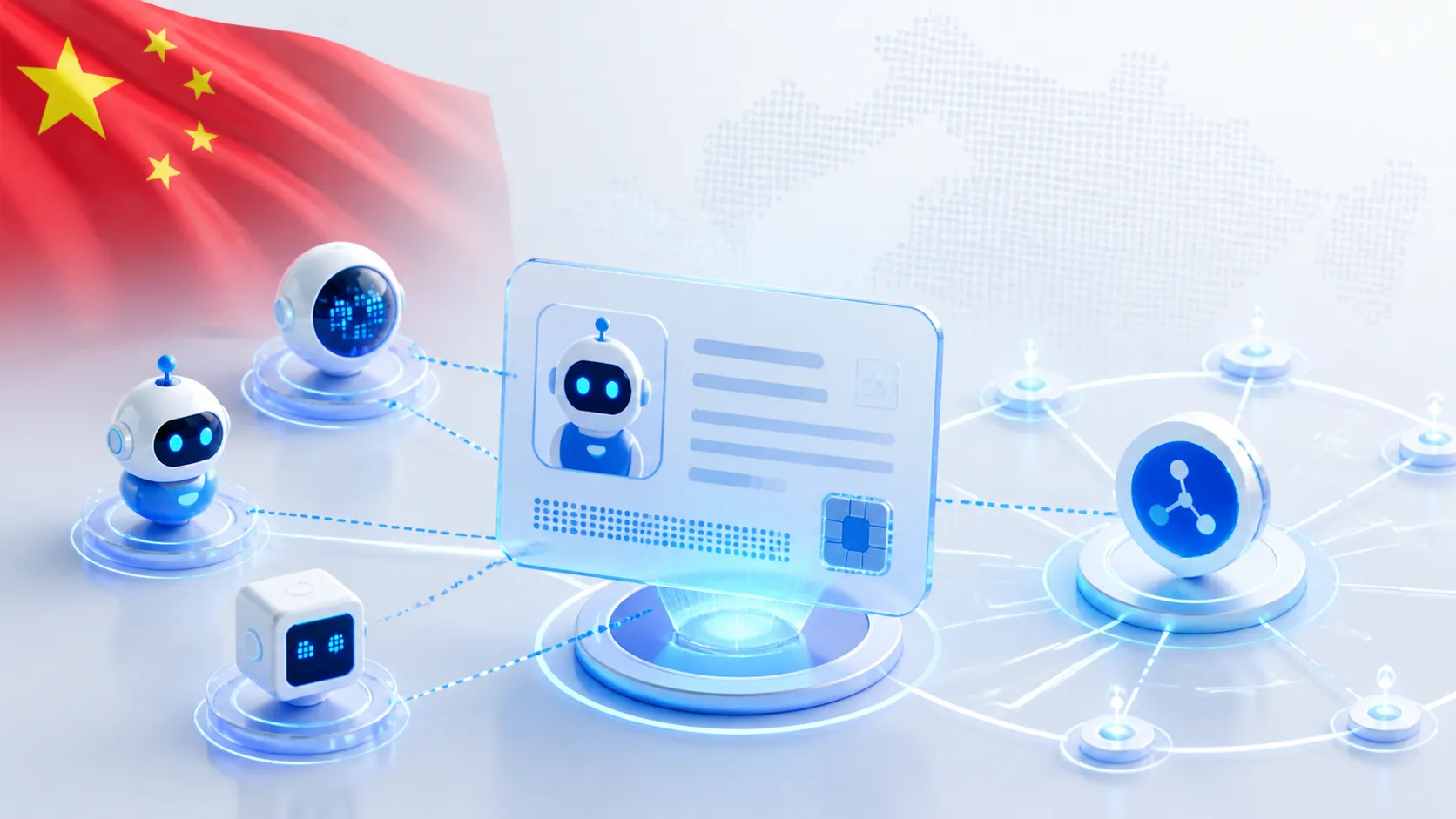
China has released its first national standard for AI agent connectivity, introducing mandatory digital ID cards for autonomous agents. The framework aims to slash development costs and secure cross-domain interactions, but raises questions about global interoperability and centralized control.
Ukraine is building its own AI computing infrastructure with Kyivstar to secure military and civilian data. The project, backed by VEON, starts with 3-5 MW and aims to reduce reliance on foreign tech.
At ISTE 2026, Google launched a Classroom app in Gemini, teacher-led AI activities, and Study notebooks to personalize learning. The move aims to save time and boost equity, but details on privacy and research are scarce.
China must develop its own version of Anthropic's Mythos AI to counter cybersecurity risks, says 360 founder Zhou Hongyi. He likens the US model to a 'cyber nuclear weapon' and calls for reciprocal deterrence.
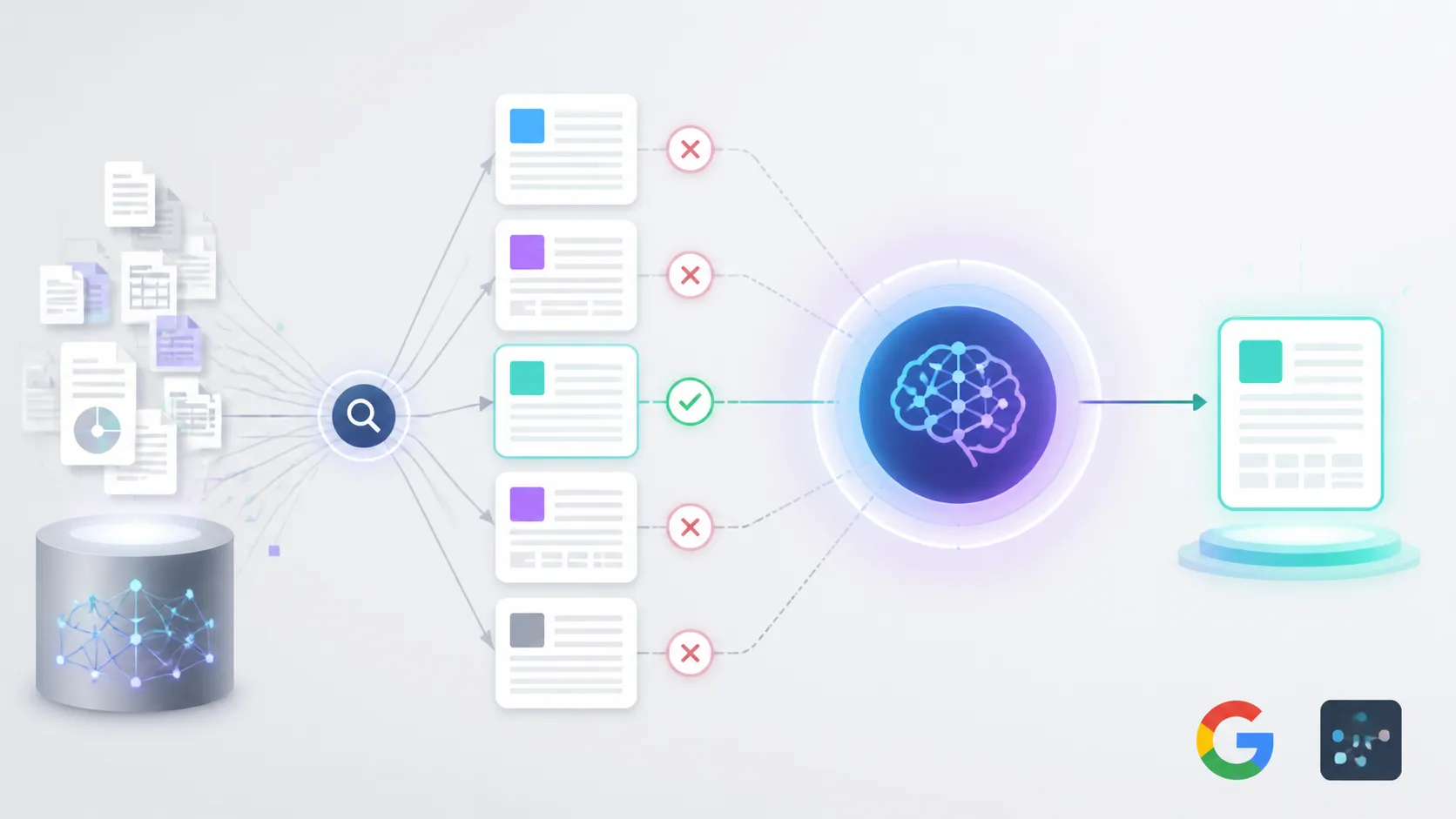
A new retrieval pattern lets a single LLM call rank document candidates with explicit reasons, replacing score fusion. The arbiter preserves detection signals, handles conflicts, and outputs a typed JSON for generation—all while building a defensible audit trail.
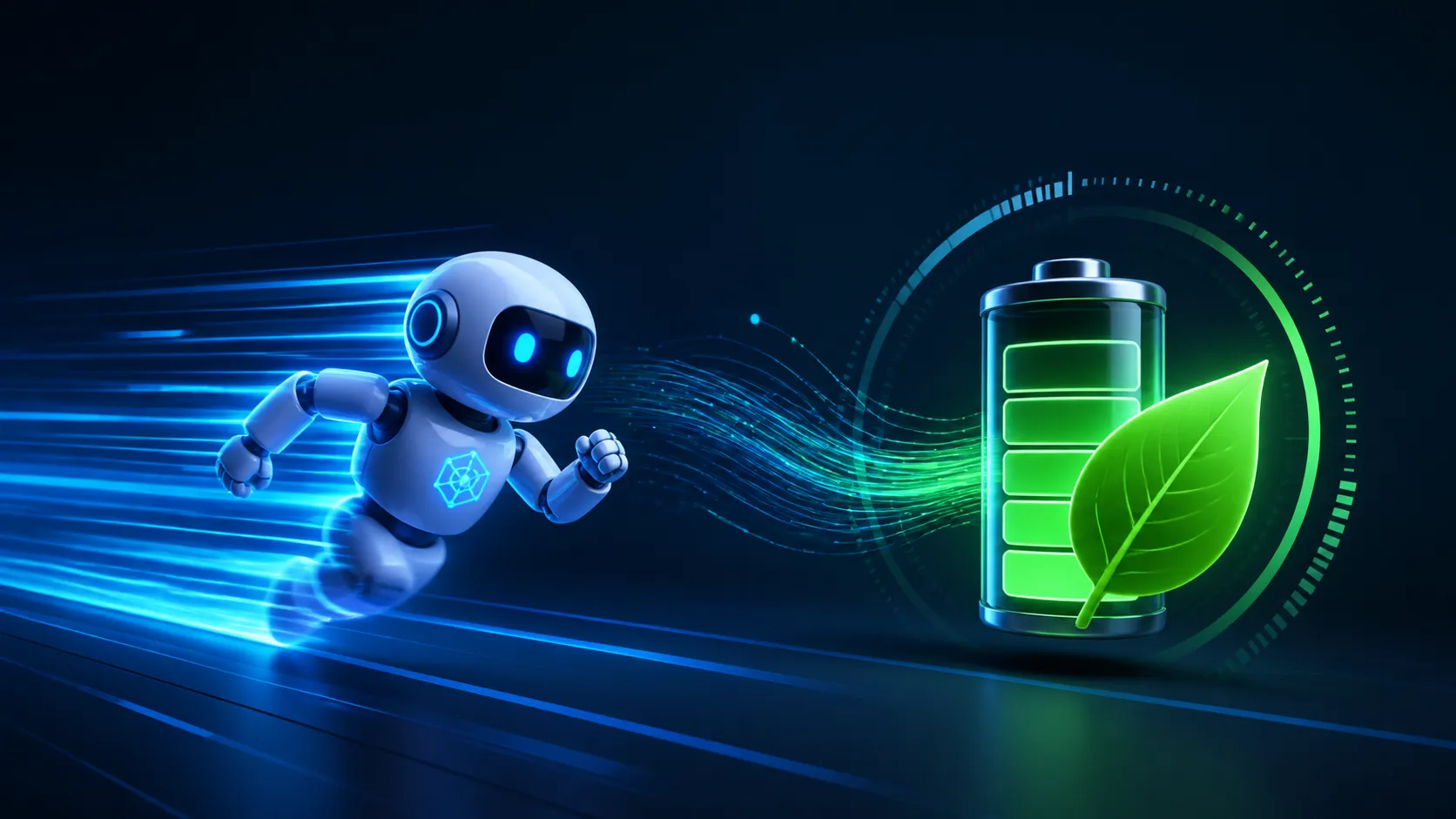
MIT and Microsoft researchers built Murakkab, a platform that lets developers describe AI tasks in plain language and automatically optimizes the entire agentic workflow. It cuts computational needs to 35%, energy to 27%, and costs to under 25% versus traditional methods.
Anthropic's Mythos AI model reportedly found vulnerabilities in nearly all classified US systems in hours during Project Glasswing. The revelation fuels debate over AI's role in national security and government restrictions.
Anthropic launches Claude Tag, an AI agent in Slack that users summon with @Claude to read conversations, break down tasks, and proactively flag updates. The beta release targets enterprise customers, with plans for wider platform rollout.
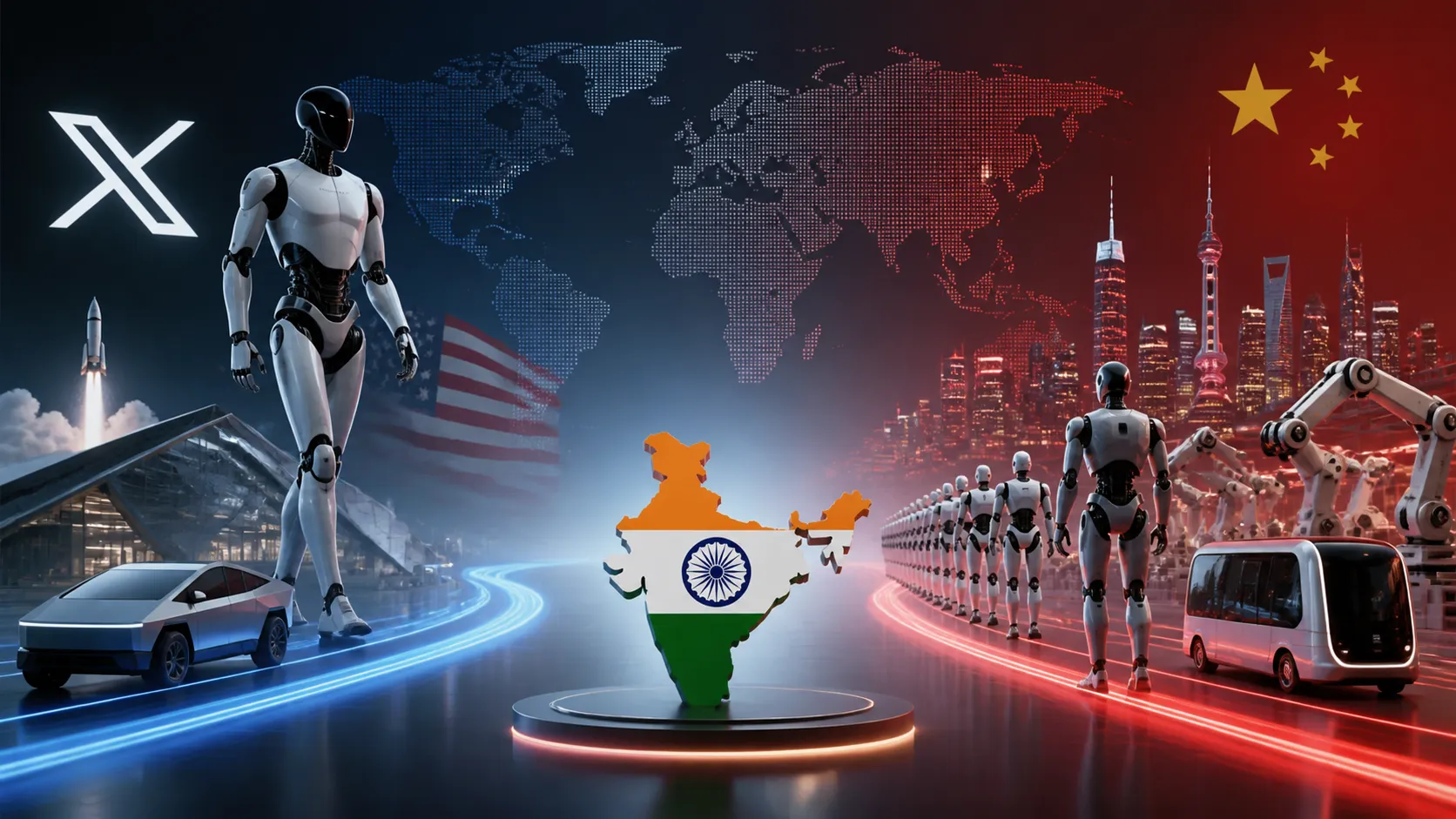
Elon Musk's vision of humanoid robots reshaping global manufacturing is fast becoming a US-China strategic contest. India, with a tiny robotics footprint, risks seeing its cheap-labor advantage erased unless industry and policy act swiftly.
At AWS Summit Hong Kong 2026, agentic AI dominated with IDC forecasting 1 billion agents by 2029. AWS tied its US$15B revenue to agent adoption, while tournaments and training aimed to close the enterprise scaling gap.
AWS unveiled agentic AI agents, a Hanoi Local Zone, Grok 4.3 in Bedrock, and price cuts at its NY Summit. The moves signal a deeper push into autonomous workflows and global infrastructure.