Sofia spent years studying how machines parse human language before pivoting to cover the systems now rewriting it. She reads technical papers the way others read news and looking for what the numbers are actually saying beneath the headlines.
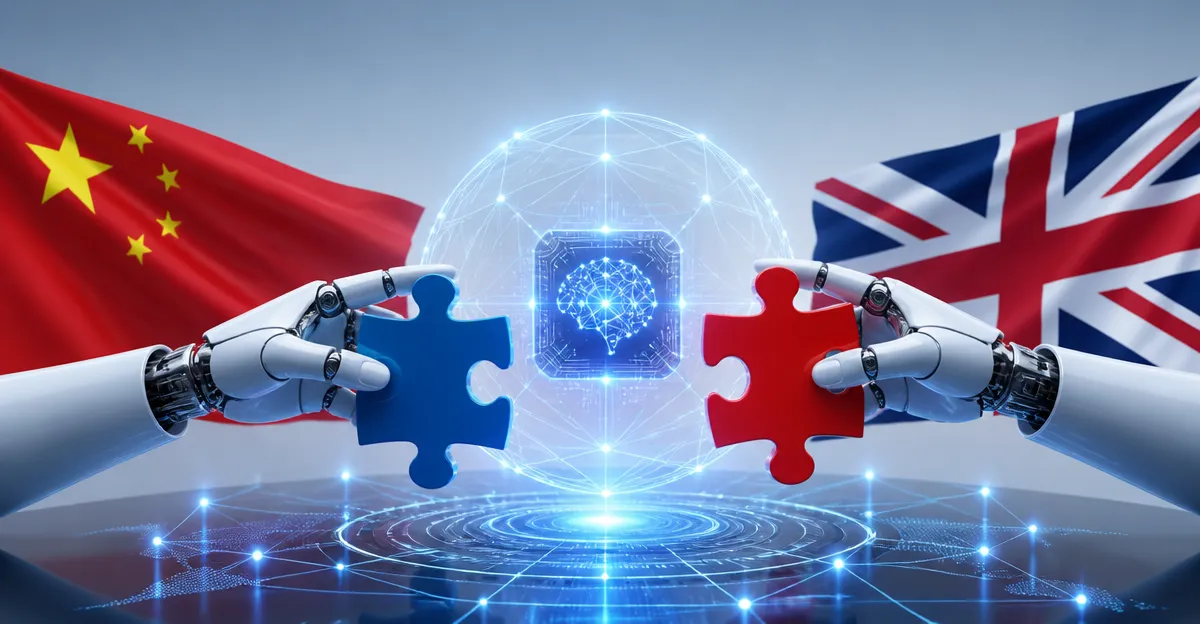
China will train 5,000 AI specialists from developing countries and build international cooperation centers, its UK ambassador announced, urging deeper collaboration with Britain to shape global AI governance.
Punjab’s plan to introduce AI education from Grade I to V has stalled due to missing infrastructure and teacher training, despite a completed curriculum framework.
Argonne National Laboratory repurposed ChatGPT's transformer architecture to simulate fluid dynamics in nuclear reactors, achieving high accuracy at unprecedented speeds and paving the way for real-time digital twins.
India’s move to acquire equity in AI startup Sarvam under the IndiaAI mission draws parallels to OpenAI’s U.S. offer but poses unique risks to fair competition and market dynamics.
Prime Minister Shehbaz Sharif mandates immediate federal migration to Sky 47, a centralized data center, as part of Pakistan's digital transformation to unify services and create a single digital identity for citizens.
The Partnership on AI releases voluntary disclosure recommendations to help companies report AI risks and opportunities to investors, aiming to boost transparency and market stability.
China's draft cyberbullying law explicitly targets AI-enabled abuse, requiring platforms to monitor and remove harmful synthetic content or face fines.
AI companies are buying millions of secondhand books, scanning them for training data, and then destroying the physical copies to avoid copyright issues and AI-generated contamination.
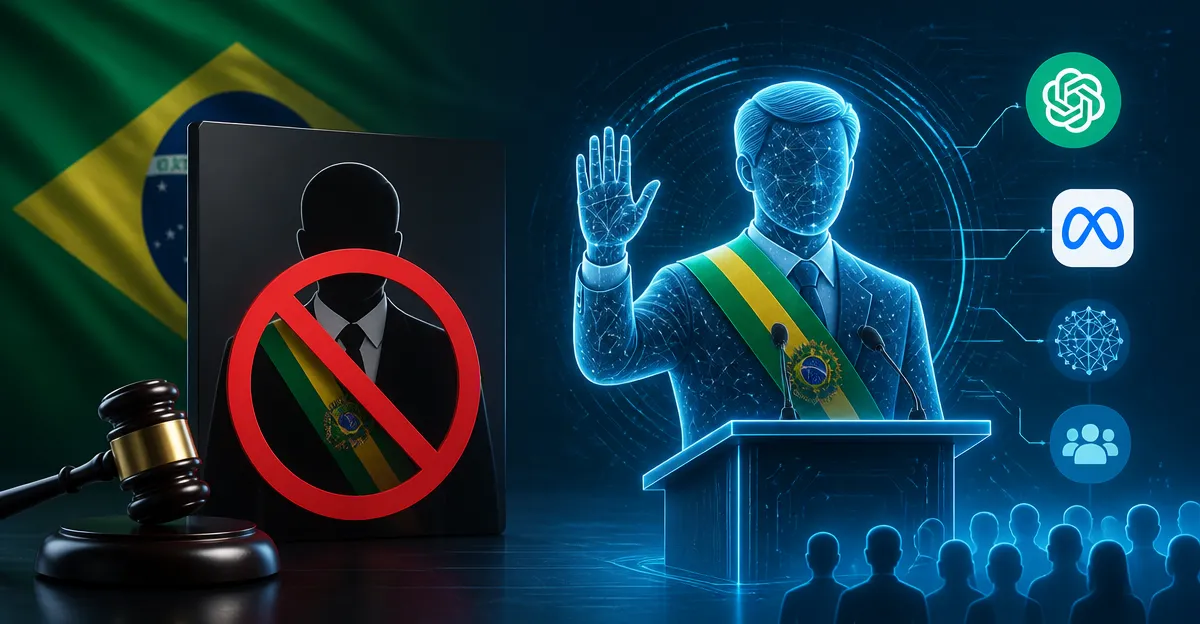
Former Brazilian President Jair Bolsonaro used an AI-generated avatar to appear at his son's campaign event while under house arrest, raising legal questions about synthetic media in elections.
PTML CTO Awais Vohra calls for urgent investment in resilient digital infrastructure, predictable policies, and cross-sector collaboration to unlock Pakistan's AI potential.
Mark Zuckerberg criticizes the centralized AI development model, arguing it betrays American tech values and limits access, while advocating for personalized superintelligence.
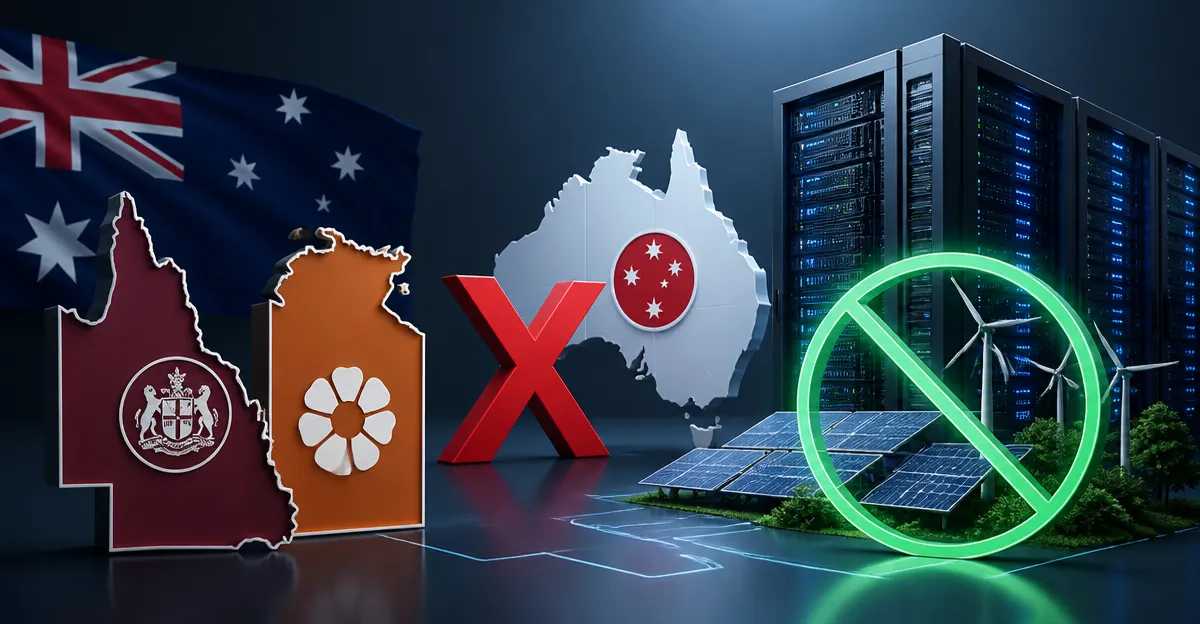
Queensland and the Northern Territory have rejected federal Labor’s plan to mandate renewable energy for AI datacentres, sparking a state-federal clash as a new report warns of rising power bills.
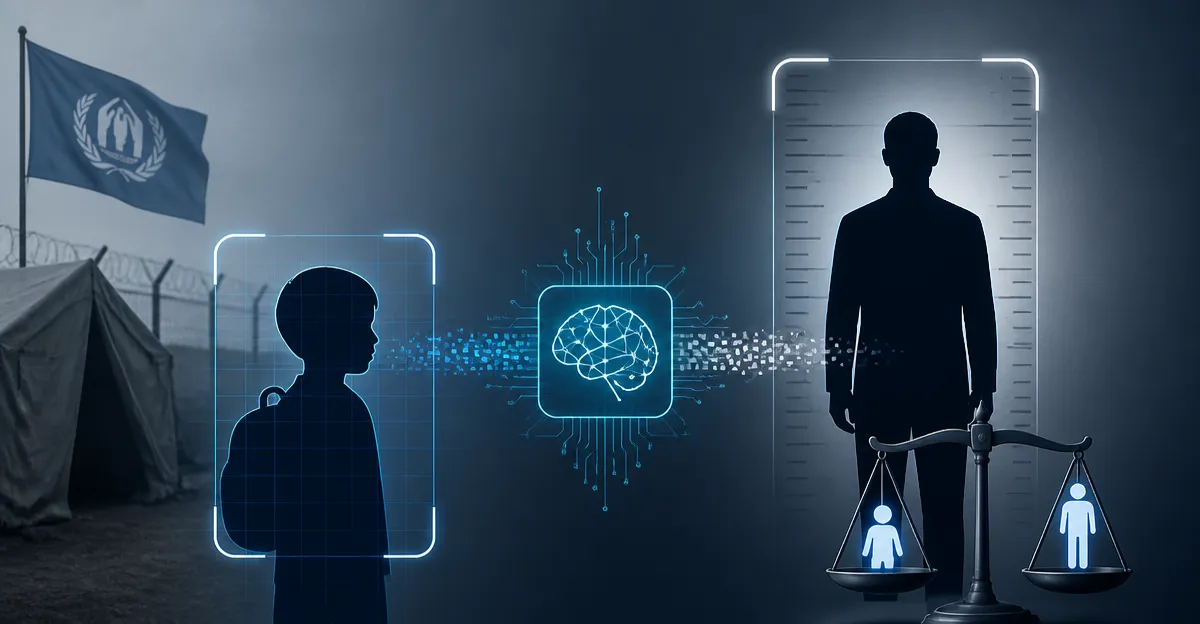
UK charities warn that AI-powered facial age checks for migrant children are racially biased, potentially pushing more minors into adult detention and removal.
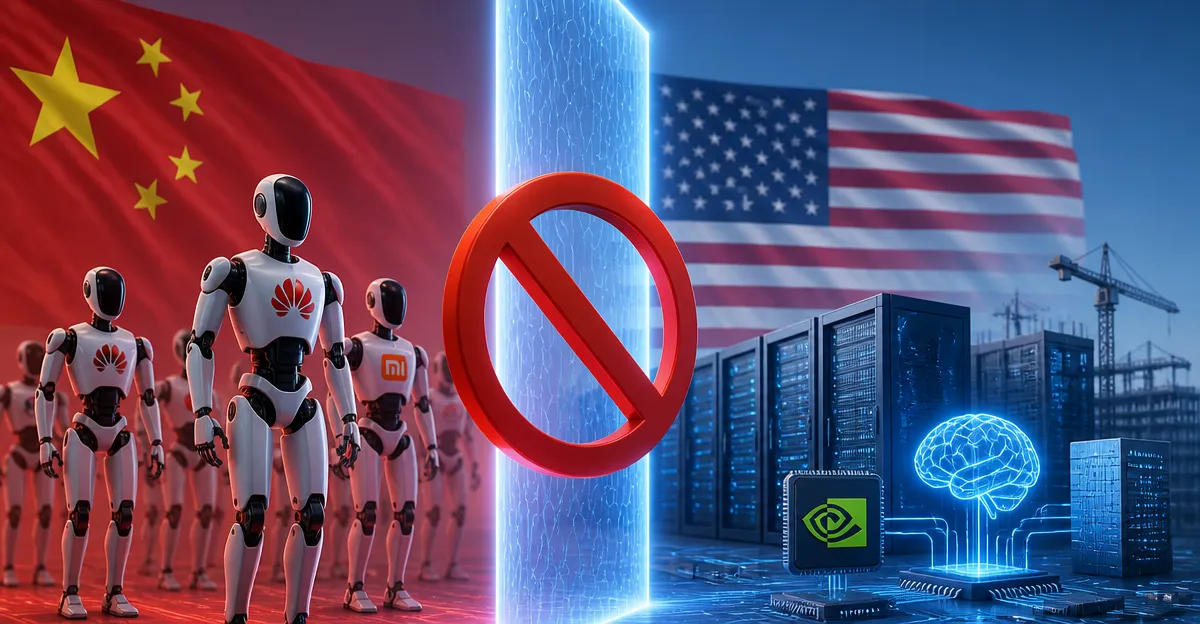
The U.S. has banned imports of new Chinese humanoid robots and power inverters to secure its AI buildout from national security threats, sparking industry debate.
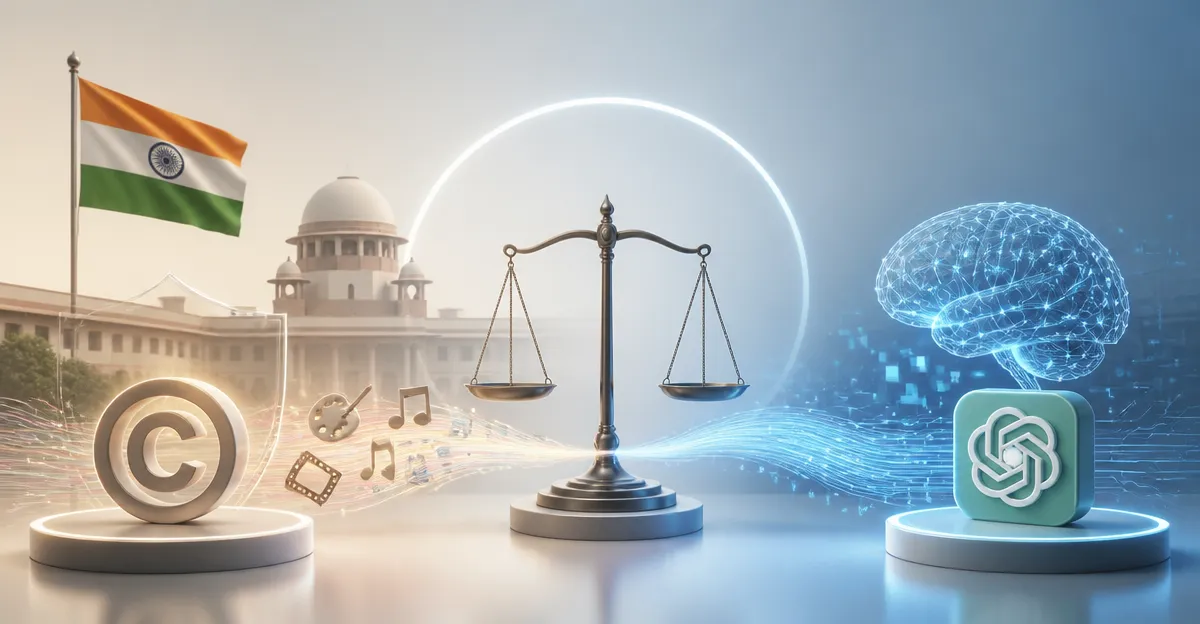
The Delhi High Court ruled that AI training can qualify as non-infringing research under copyright law, rejecting a human-only interpretation and urging a balanced approach between creators and developers.
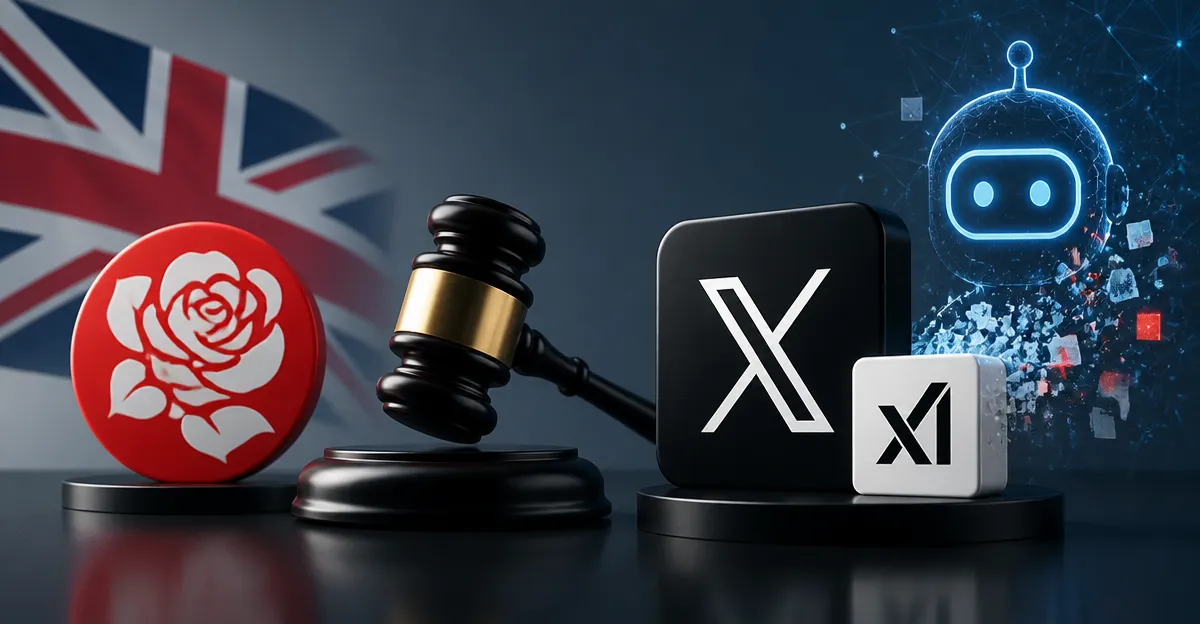
A UK lawmaker’s legal claim against xAI reveals that the Grok chatbot added sexualized content without user prompts, spotlighting a new form of AI-driven abuse.
A Delhi High Court judge ruled that OpenAI’s use of copyrighted material to train ChatGPT is prima facie fair dealing, invoking public interest and the doctrine of updating construction, in a decision that challenges India’s proposed AI licensing scheme.
A new Chinese AI model reignites the open-source versus proprietary debate, exposing deep economic and security rifts across Silicon Valley and Washington.
A software engineer's successful religious objection to using AI at work highlights a growing progressive movement to leverage faith-based laws against technology mandates.
A UK judge suggests the Home Office used AI-hallucinated information to refuse an asylum claim, sparking concerns about algorithmic decision-making in immigration.
The UK’s first AI smart lamp-posts arrive in Warwickshire, promising crime-fighting and data center capabilities, but experts warn of technical limits and surveillance overreach.
An AI-generated avatar of Brazil's jailed former president Jair Bolsonaro appeared at his son's campaign launch, raising urgent legal questions about synthetic media in elections.
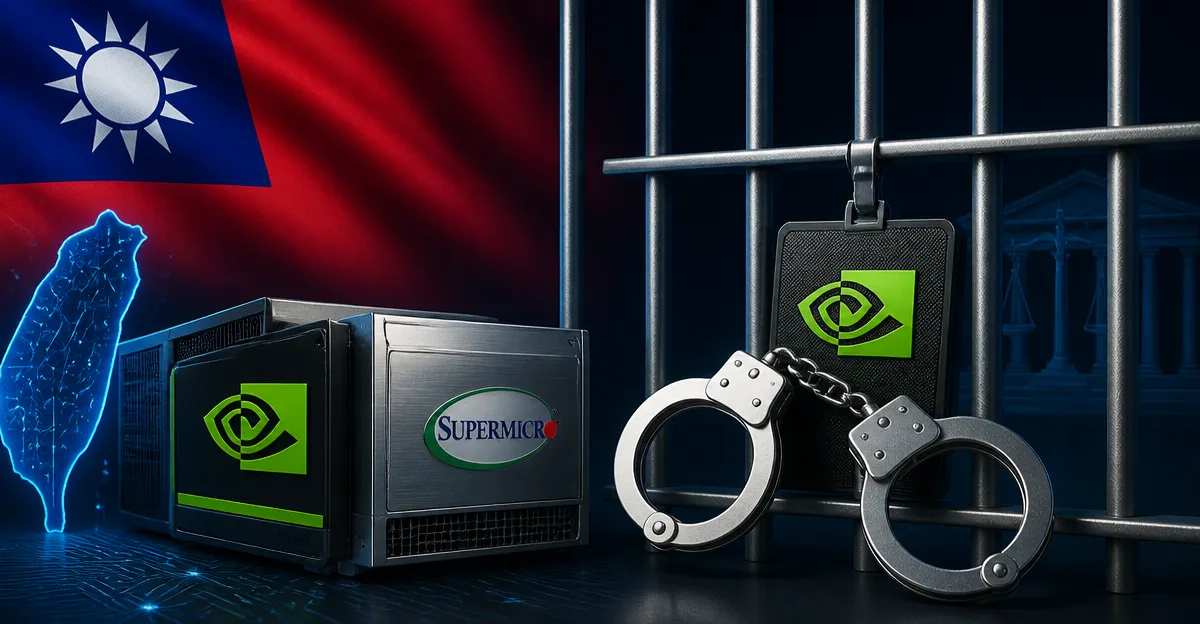
Taiwan detains an Nvidia employee amid a probe into Super Micro's alleged illegal AI server exports to China, escalating enforcement of U.S. chip export controls.
Moonshot AI has released the complete technical architecture for Kimi K3, a 2.8 trillion-parameter multimodal model with a one-million-token context window, but training recipes remain closed.
Anthropic CEO Dario Amodei clarified his stance on open-weight AI models, calling them a public good but refusing to sign Nvidia's letter opposing US restrictions, citing security concerns.
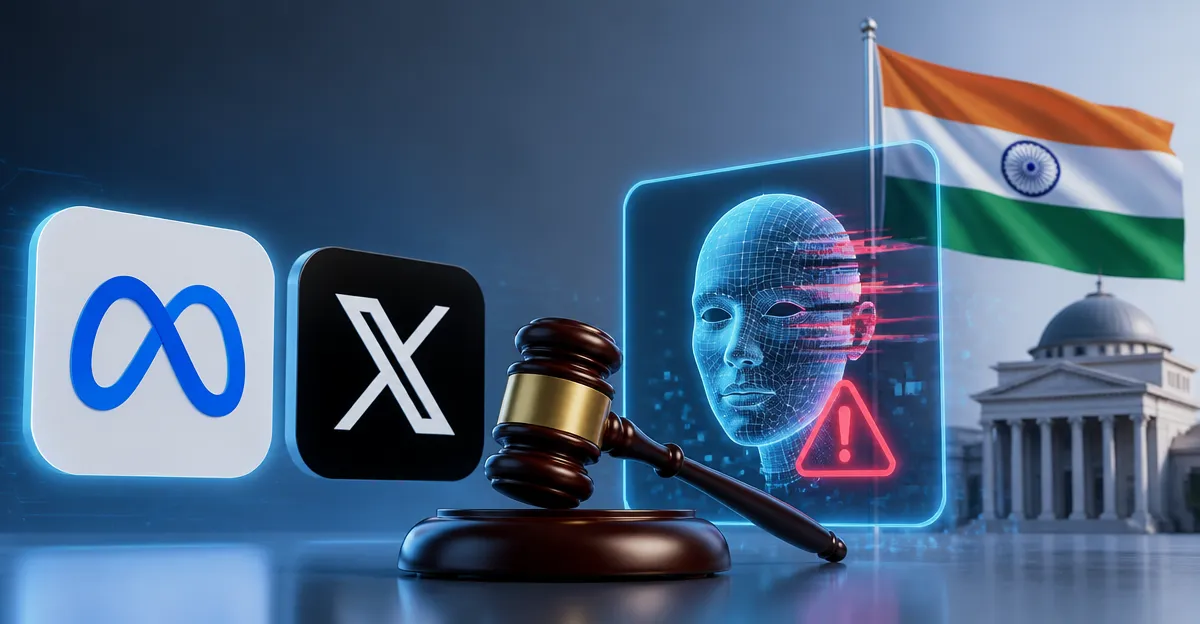
Union Minister Nitin Gadkari has sued Meta and X over AI deepfake videos that falsely show him attacking the E20 policy, testing India's legal framework for synthetic media.
Cambridge researcher Eleanor Drage’s book challenges AI hype and doom, but its proposed solutions lack the scale and specificity to answer its own title question.
Silicon Valley is in open warfare over whether to restrict Chinese open-source AI, with OpenAI and Anthropic squaring off against a broad coalition of tech giants and startups.
Nvidia, Microsoft, Meta, and 22 other firms urge the US to support open-weight AI, arguing it fuels innovation, competition, and security while countering Chinese advances.
Avtar Singh spent decades searching for his birth mother. A single ChatGPT prompt led him to a half-sister he never knew existed, uniting a family split by silence and distance.