Shamil has a low tolerance for AI that only works in controlled demos. He covers agentic systems and generative AI with the skepticism of someone who has seen too many "revolutionary" tools quietly disappear six months after launch.
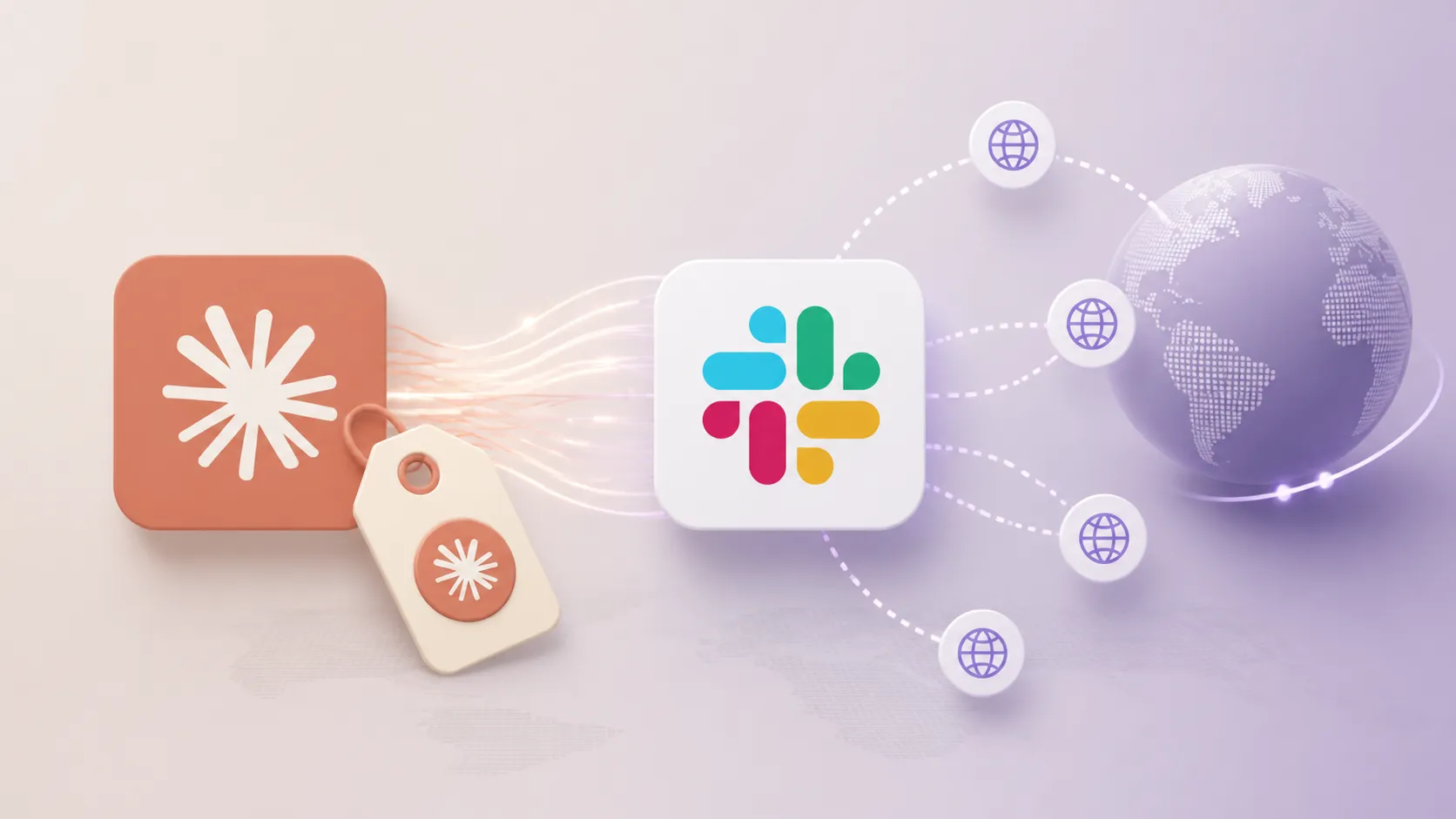
Anthropic launches Claude Tag, an AI agent in Slack that users summon with @Claude to read conversations, break down tasks, and proactively flag updates. The beta release targets enterprise customers, with plans for wider platform rollout.
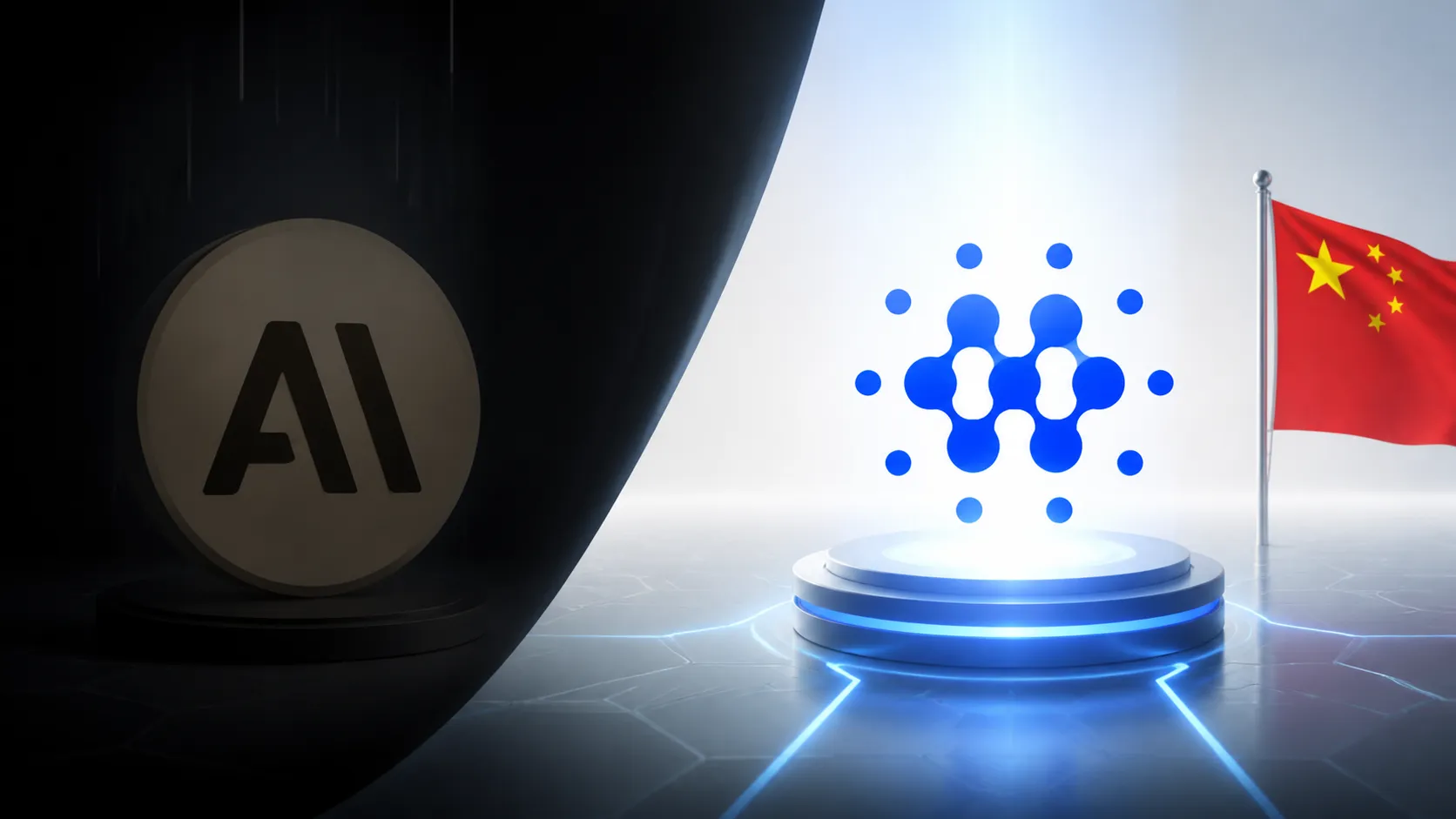
Anthropic's forced global blackout of Claude Fable 5 has sparked a crisis in AI reliability, giving Chinese rival Zhipu AI a chance to capture the market with its open-source GLM-5.2 model. The move raises urgent questions about AI sovereignty and geopolitical control.
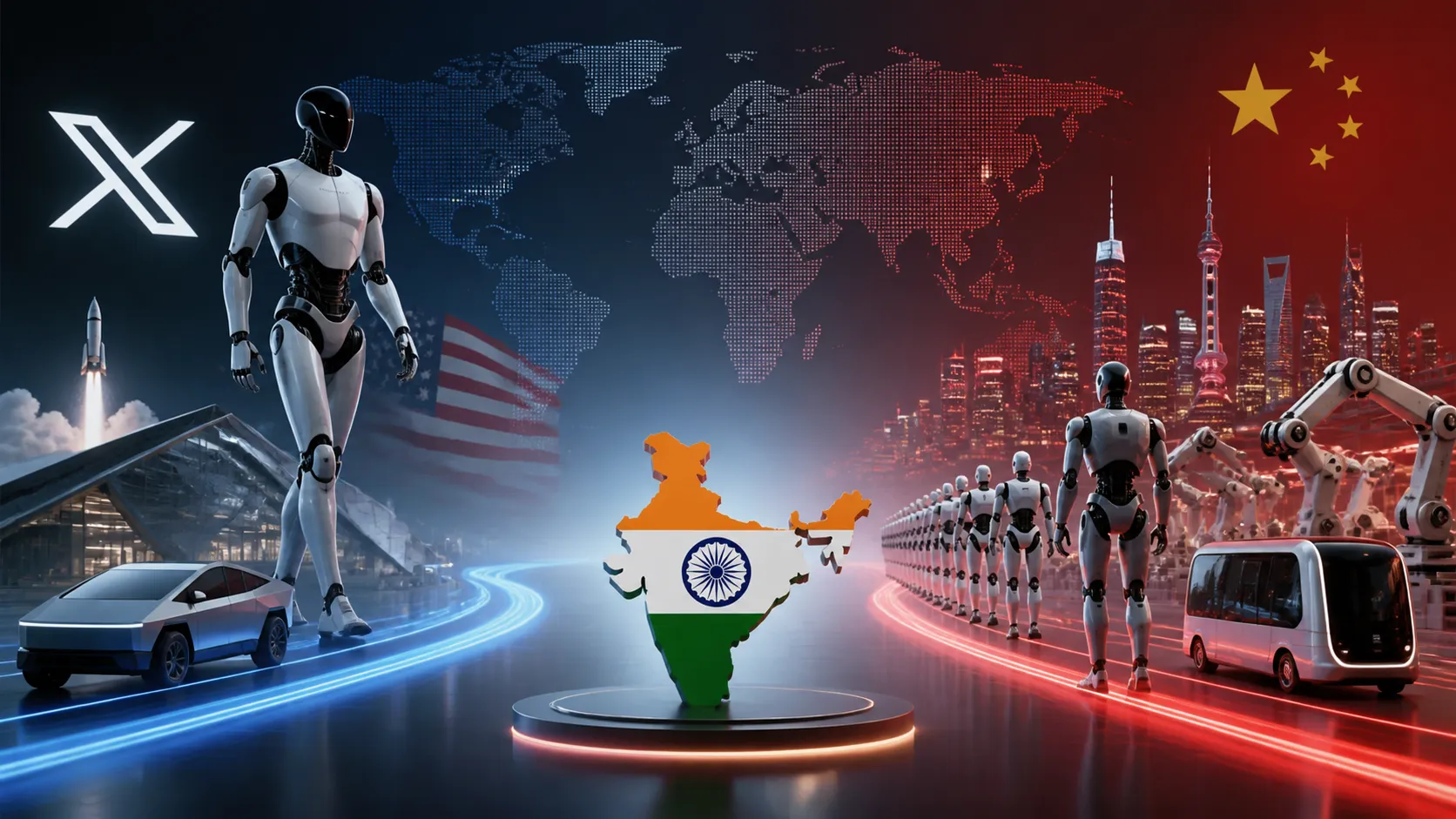
Elon Musk's vision of humanoid robots reshaping global manufacturing is fast becoming a US-China strategic contest. India, with a tiny robotics footprint, risks seeing its cheap-labor advantage erased unless industry and policy act swiftly.
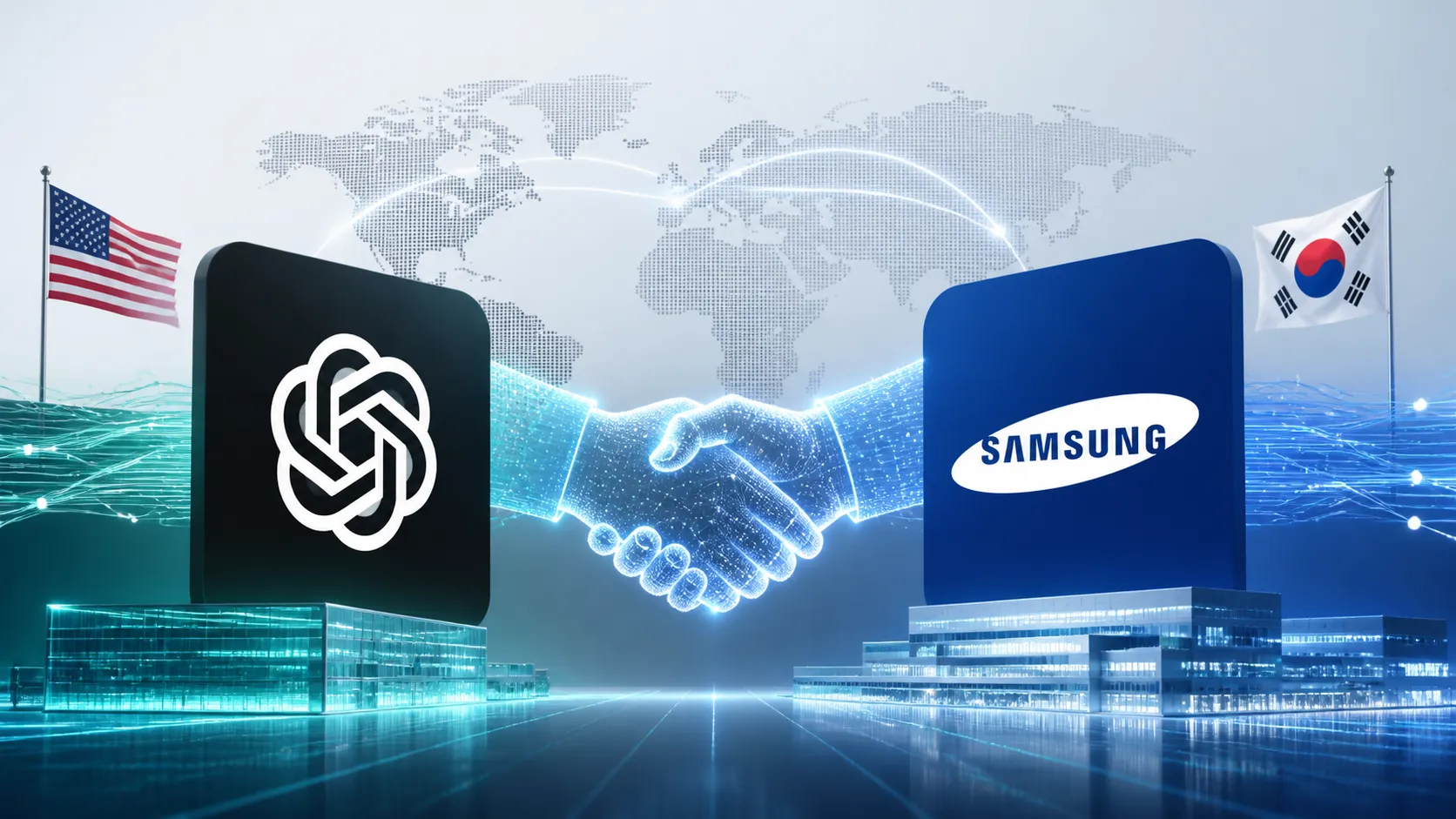
Samsung Electronics has signed a landmark deal with OpenAI to provide ChatGPT Enterprise and Codex to its global workforce, expanding a partnership beyond semiconductor manufacturing. The move signals deeper AI integration in South Korea's corporate sector.
At AWS Summit Hong Kong 2026, agentic AI dominated with IDC forecasting 1 billion agents by 2029. AWS tied its US$15B revenue to agent adoption, while tournaments and training aimed to close the enterprise scaling gap.
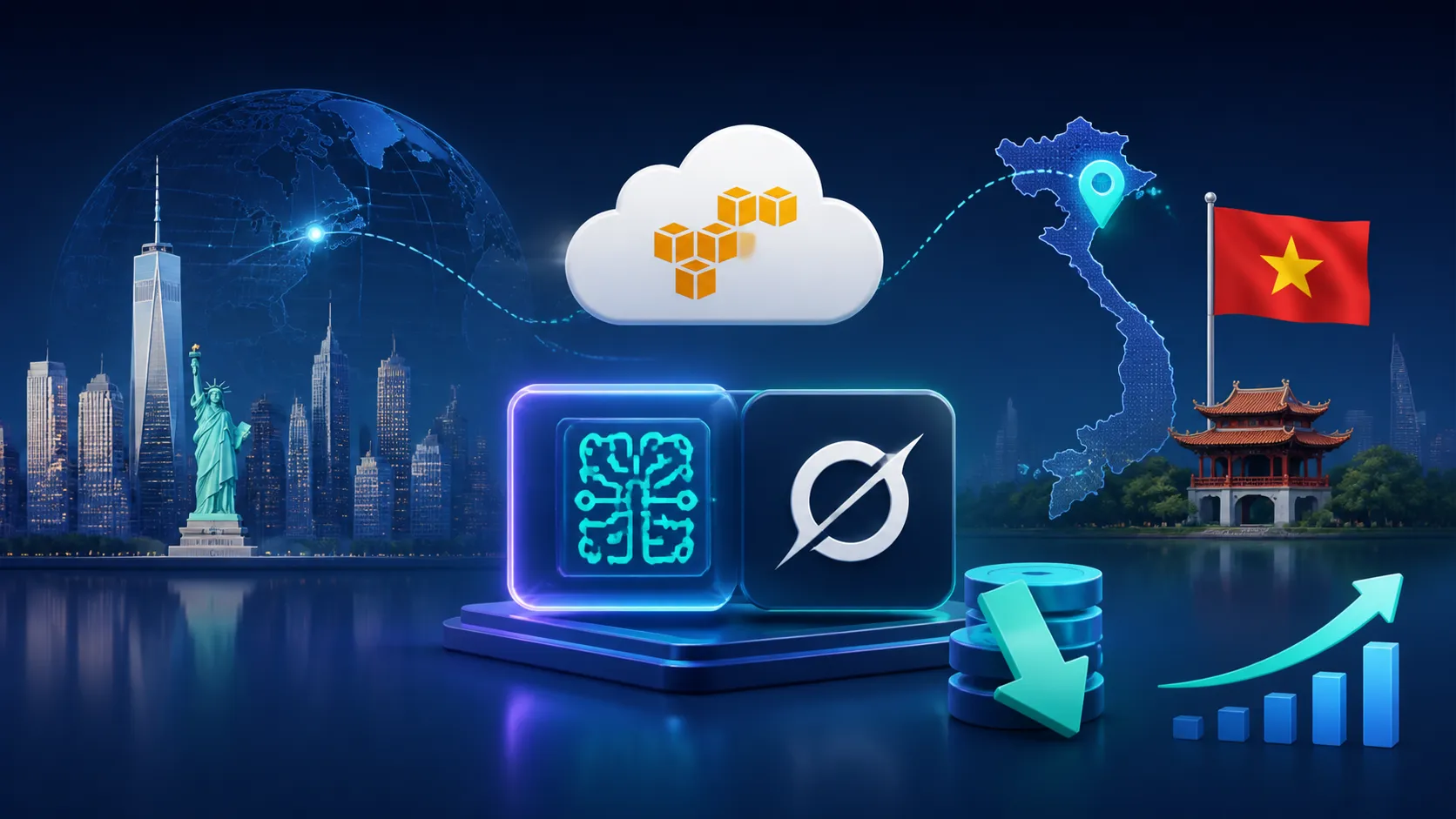
AWS unveiled agentic AI agents, a Hanoi Local Zone, Grok 4.3 in Bedrock, and price cuts at its NY Summit. The moves signal a deeper push into autonomous workflows and global infrastructure.
Google's Interactions API is now the default for Gemini models and agents, offering a unified surface for inference, autonomous tasks, and background execution. New features include managed sandboxes, cost tiers, and a migration path from the legacy API.
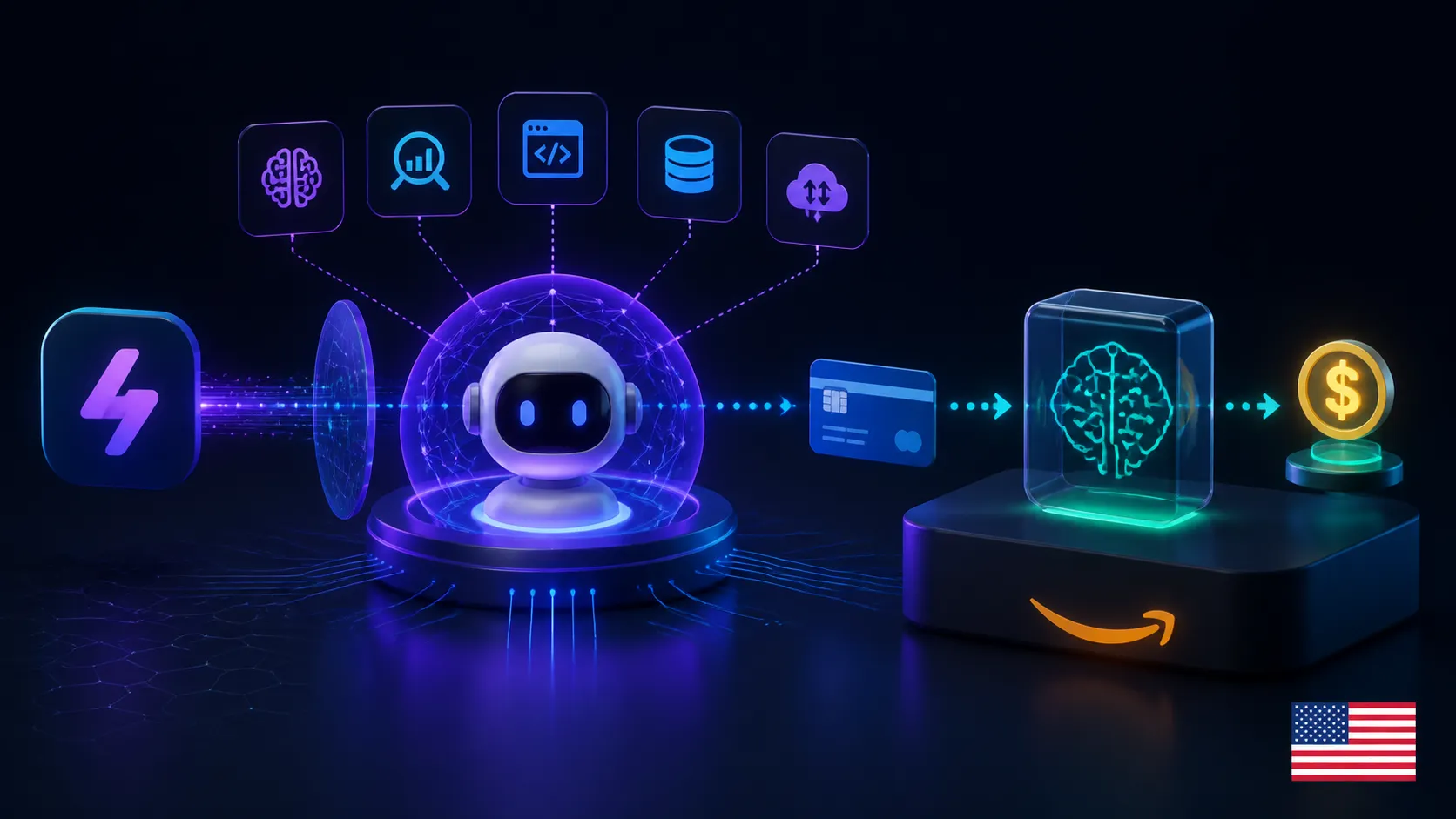
Ampersend integrated Amazon Bedrock AgentCore Payments to create a pay-per-intelligence layer for AI agents. The two-hop payment architecture enables autonomous, governed transactions without custom billing infrastructure.
Microsoft and NVIDIA have unveiled RTX Spark, a new chip delivering 1 petaflop of AI performance for Windows PCs. The unified memory architecture enables local AI workloads previously requiring cloud compute, with devices launching this fall from major manufacturers.
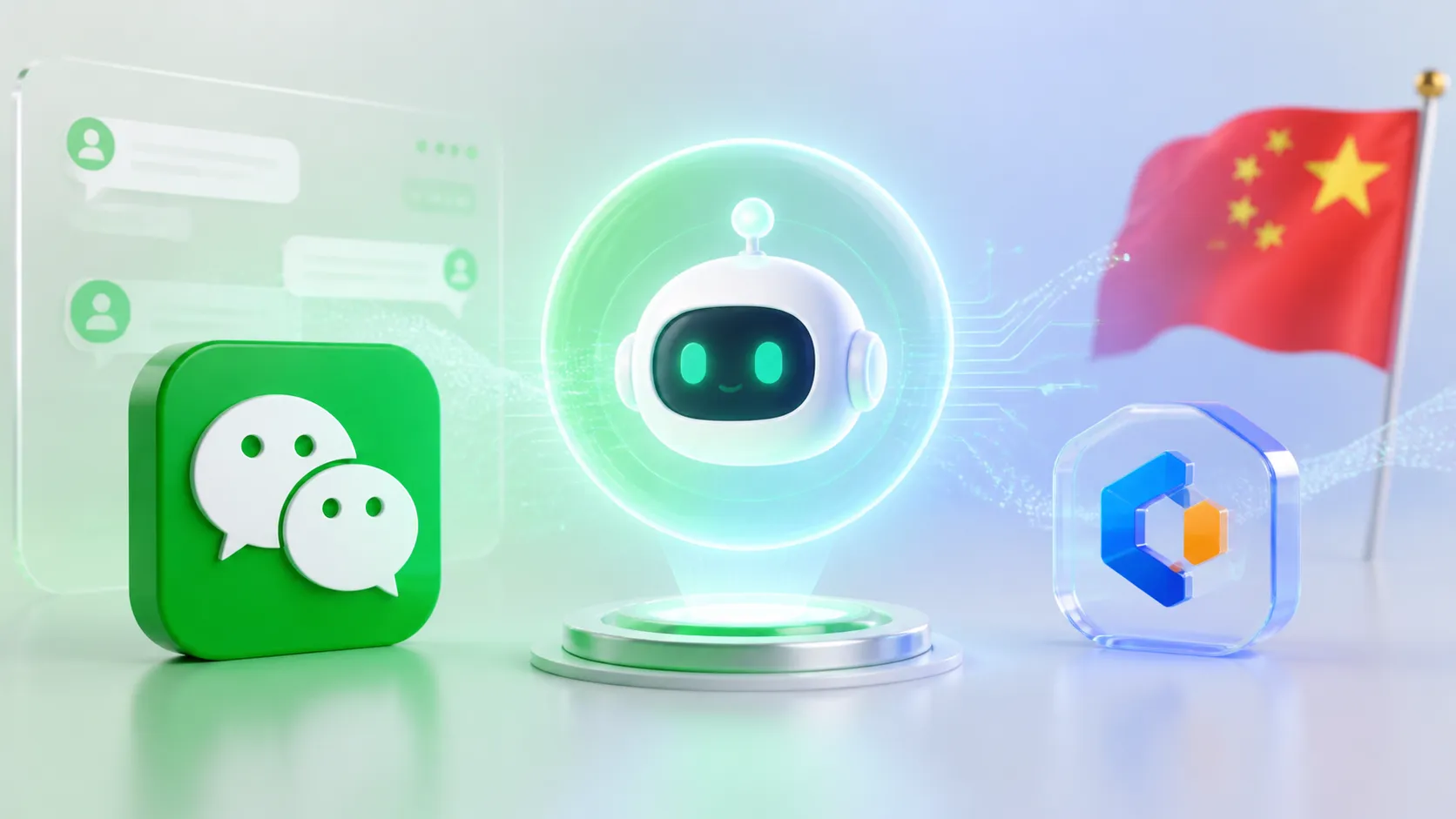
Tencent is testing Xiaowei, an AI assistant inside WeChat that uses mini-programs to handle tasks like messaging and ride-hailing. The move intensifies China's AI super-app battle as the company eyes a Q3 2026 launch.
Zhipu AI founder Tang Jie told Elon Musk that China will match Anthropic's top model this year, not in 2027. The bold claim follows Zhipu's GLM-5.2 securing second place globally in coding benchmarks, signaling a rapidly narrowing US-China AI gap.
China’s Zhipu AI released GLM-5.2, an open-weight model with a 1M token context window that beats or ties top US models on key coding and agentic benchmarks. Early adopters call it a daily-driver breakthrough, triggering a market frenzy.
As AI agents become the new gatekeepers of consumer choice, luxury brands face a critical threat: LLMs often misinterpret their exclusivity. This article reveals how bot psychology and curated data strategies can correct AI's blind spots and protect brand prestige.
An Indore law student was arrested for using AI to fabricate NEET question papers and selling them on Instagram. The scam targeted desperate aspirants, highlighting emerging threats to exam integrity.
A Singaporean man was left traumatized after discovering AI-generated images that falsely depicted him in a family with a former schoolmate. The incident highlights the emotional harm of non-consensual synthetic media.
Google has launched Ask Ad Manager, a Gemini-powered AI assistant that lets advertisers and publishers ask questions to troubleshoot campaigns and get personalized guidance directly inside Google Ad Manager.
President Trump declared Anthropic no longer a national security threat, signaling an end to the 10-day export control freeze. The reversal follows a competitor's tip and a collapsed Pentagon contract over surveillance and weapons use.
Apple announced Core AI, a framework that runs generative AI models up to 70 billion parameters entirely on-device. It succeeds Core ML and powers Apple Intelligence with a unified API across Apple silicon.
Apple supplier Lingyi iTech is raising up to US$1.1 billion in a Hong Kong IPO to expand into AI hardware and humanoid robotics. The move signals a strategic pivot from smartphones to embodied intelligence, with bold production targets and key partnerships.
Zhipu AI's market value crossed HK$1 trillion as shares jumped 42% on Monday. The surge followed the GLM-5.2 model release, with founder Tang Jie challenging Elon Musk's timeline for Chinese AI dominance.
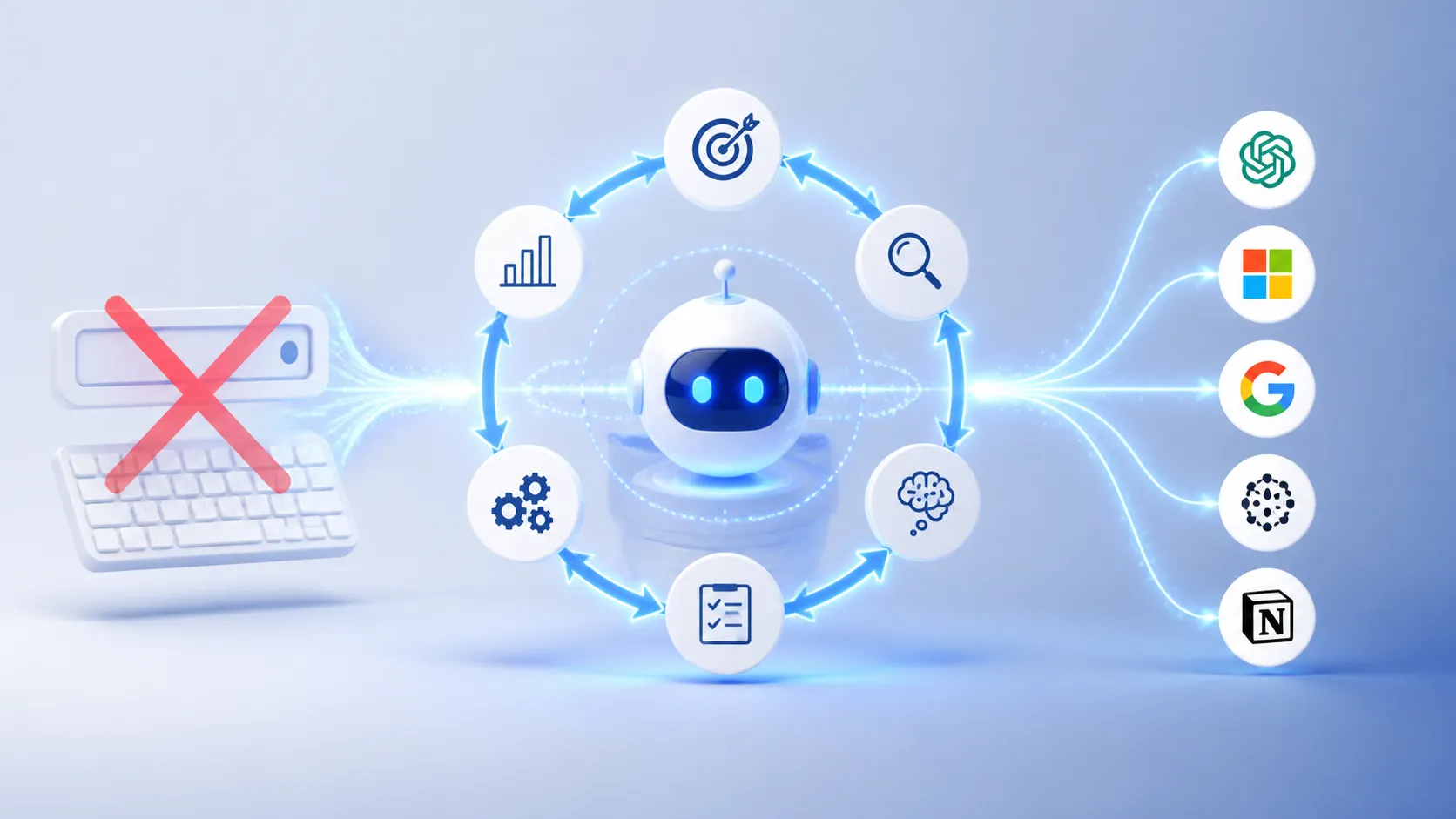
A quiet shift is reshaping AI workflows. Instead of typing prompts, developers now design autonomous loops that guide AI agents to complete tasks without human input. This report explores how loop engineering works, its components, and the challenges ahead.
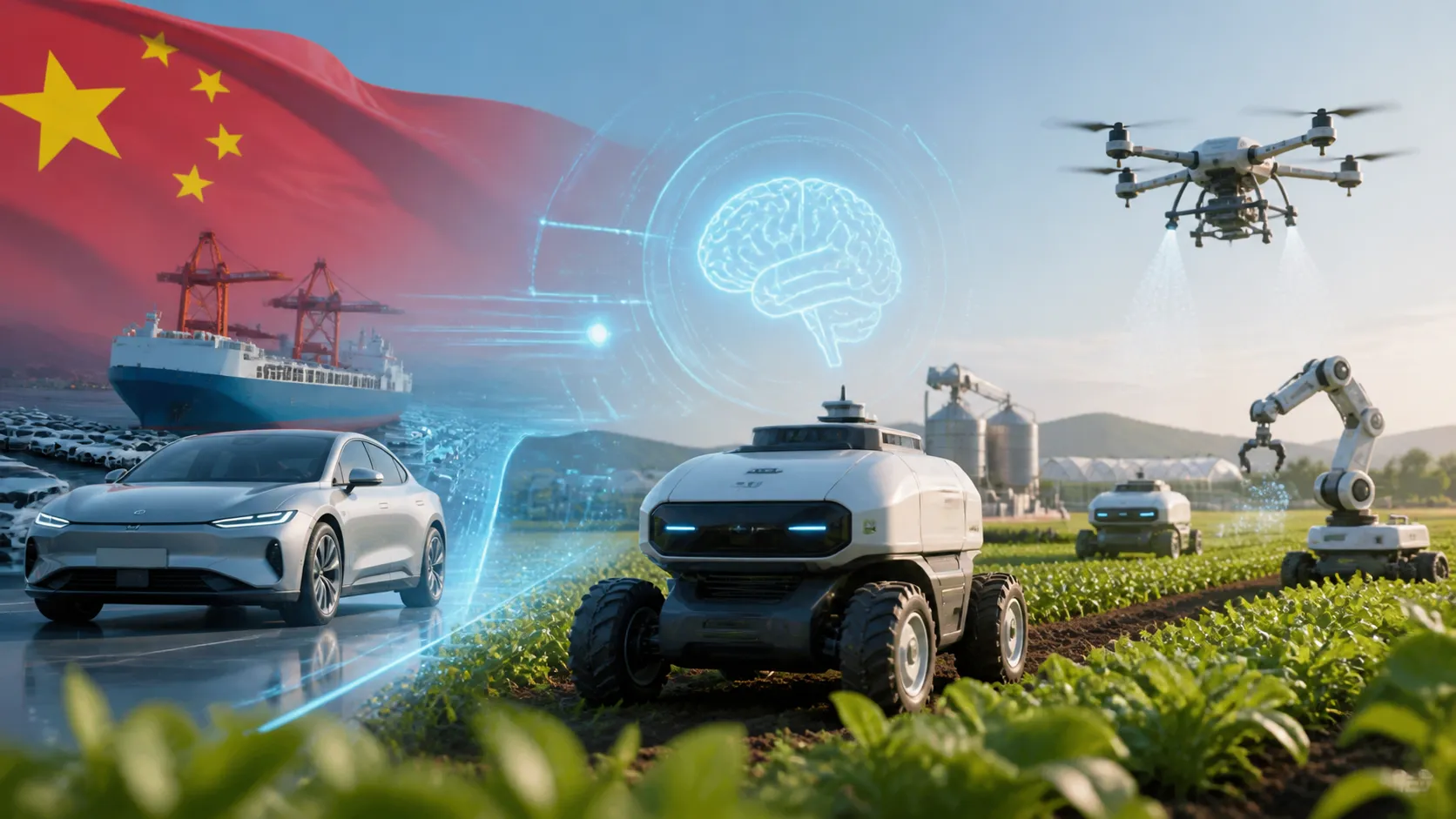
China’s GrainCore Dynamics sees an aging farming workforce as an opportunity to lead in embodied AI for agriculture. Drawing parallels to the EV boom, the company believes its unique blend of AI and mass production can disrupt global agritech.
Some Asia hedge funds delivered returns exceeding 100% in early 2026, fueled by AI hardware and large language model bets. The rally pushed Japan, South Korea, and Taiwan indexes to record highs despite geopolitical tensions.
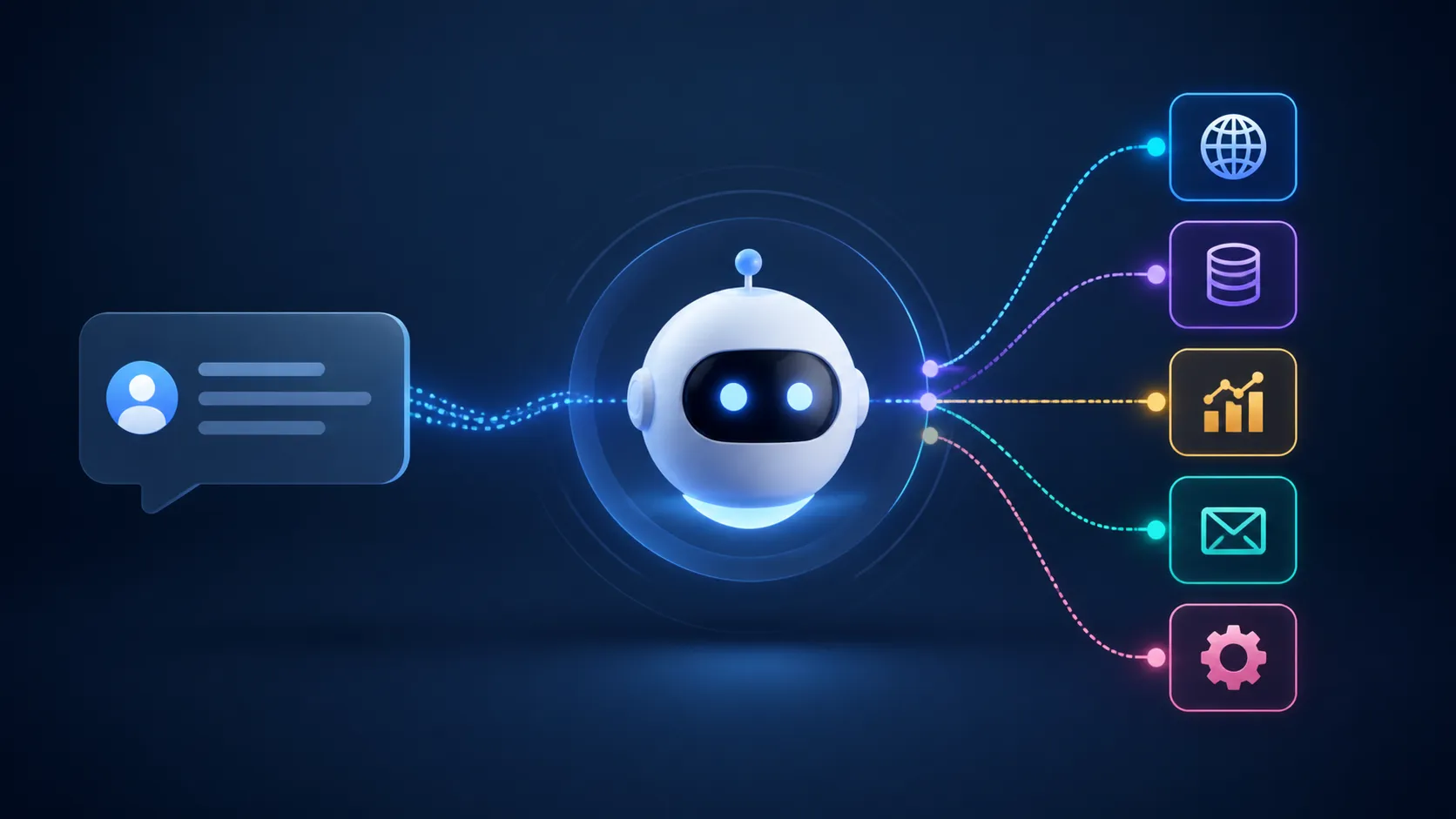
Tool calling is the mechanism that lets LLMs decide when to invoke external functions, turning them from passive text generators into active agents. This article explains the tool calling loop, how models choose tools, and why it's the foundation of agentic AI.
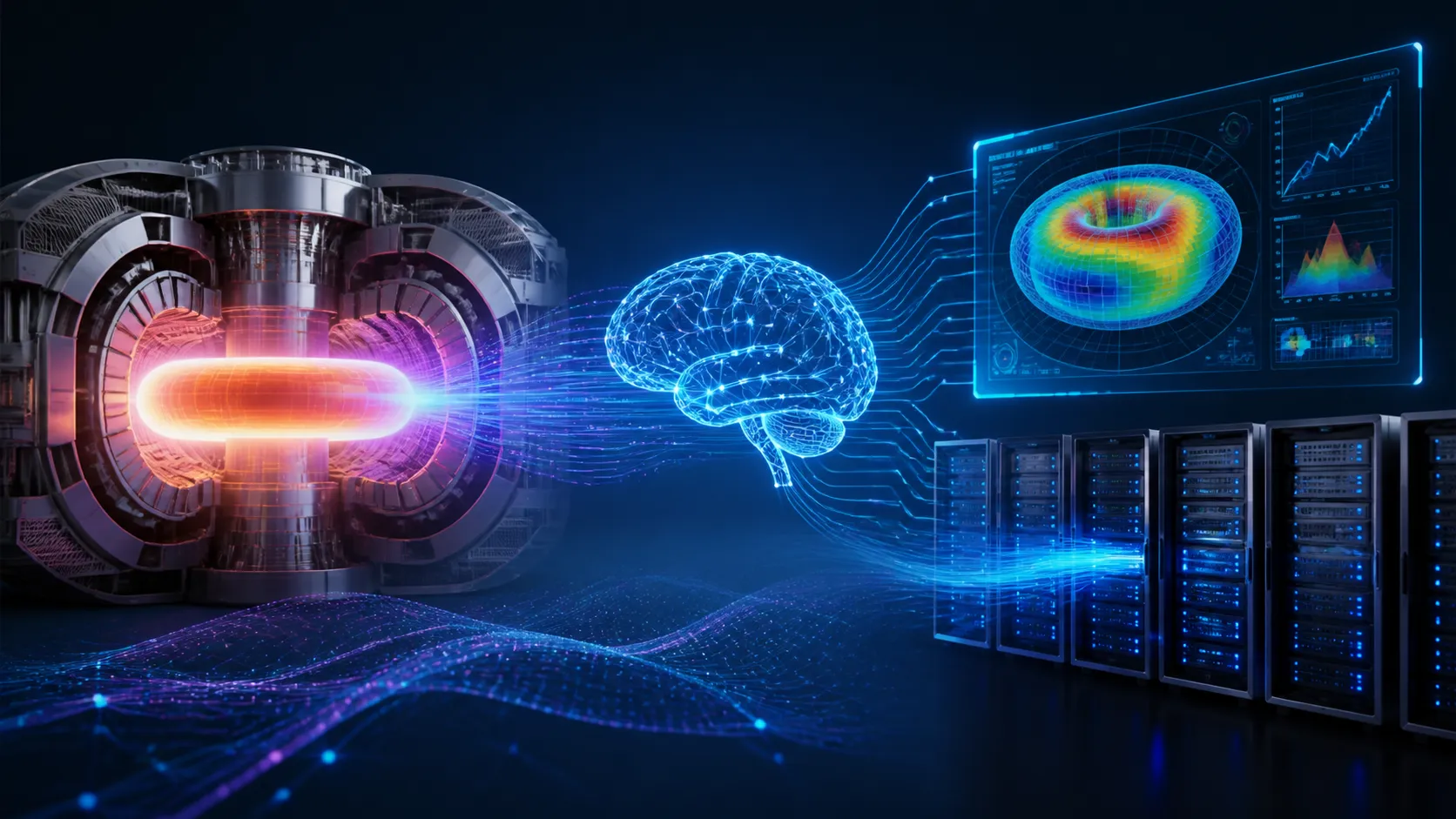
VeloAlpha, a Beijing-based start-up, launched FusionAlpha in April to tackle fusion energy's simulation bottleneck. The AI-driven tool promises to break the 'impossible triangle' of speed, accuracy, and physical fidelity, potentially accelerating commercial fusion development.
After a brief frenzy of maximizing AI token use, tech companies are now imposing limits to control costs. The shift from 'tokenmaxxing' to 'tokenminning' reflects a search for real ROI.
Snap is turning its internal AI video generation team into a standalone company named Dotmo, focusing on interactive gaming. The move aims to manage high development costs while retaining equity upside.
A brutal assault in Hachioji reveals how Japanese teenagers are using AI to plan violent acts, sparking a national reckoning over digital dependency and eroded autonomy. Experts warn this crisis could be a global harbinger.
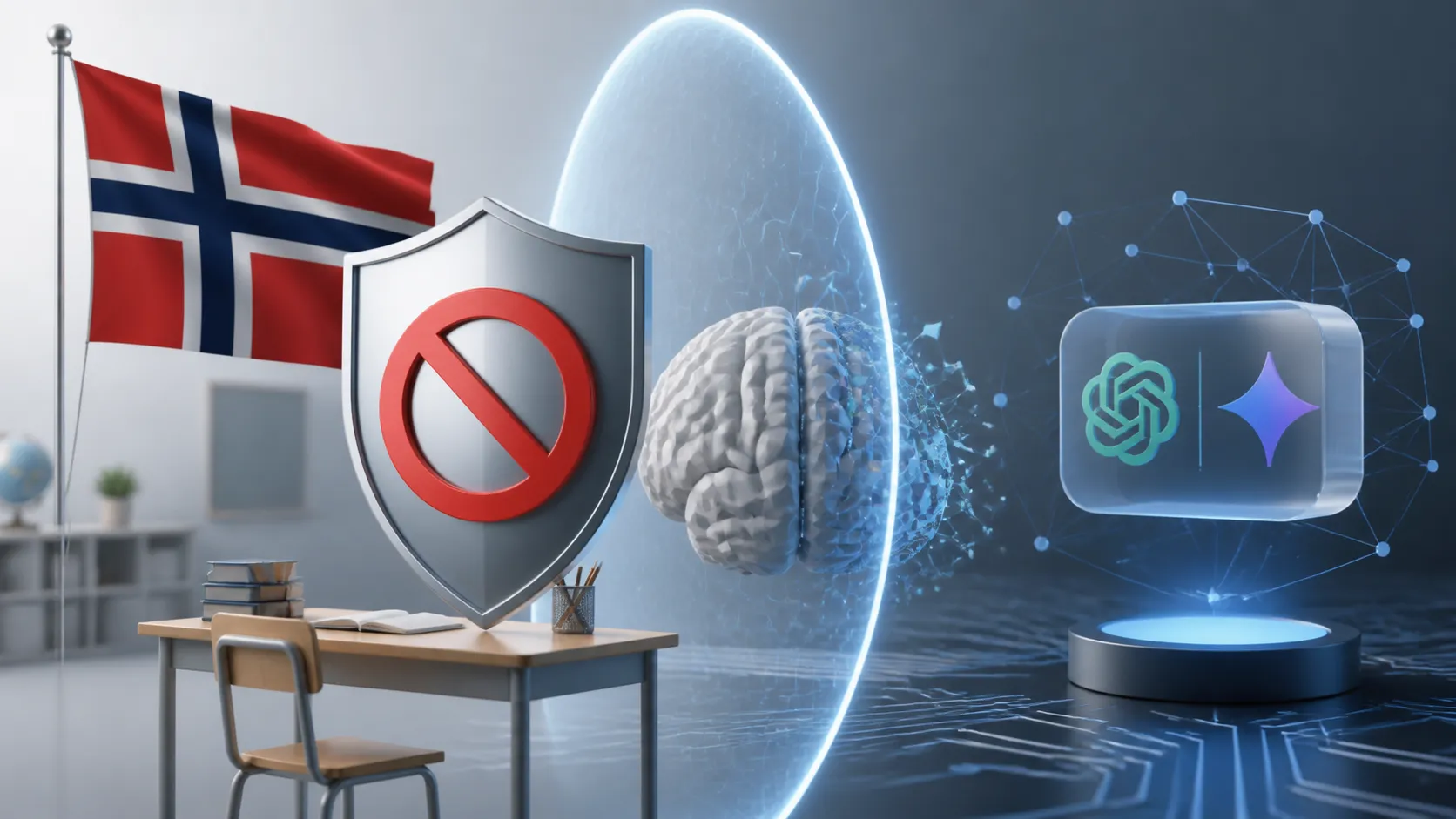
Norway will ban generative AI in elementary classrooms and restrict it in higher education starting August 2026. Prime Minister Støre says the move protects foundational learning and cognitive development.
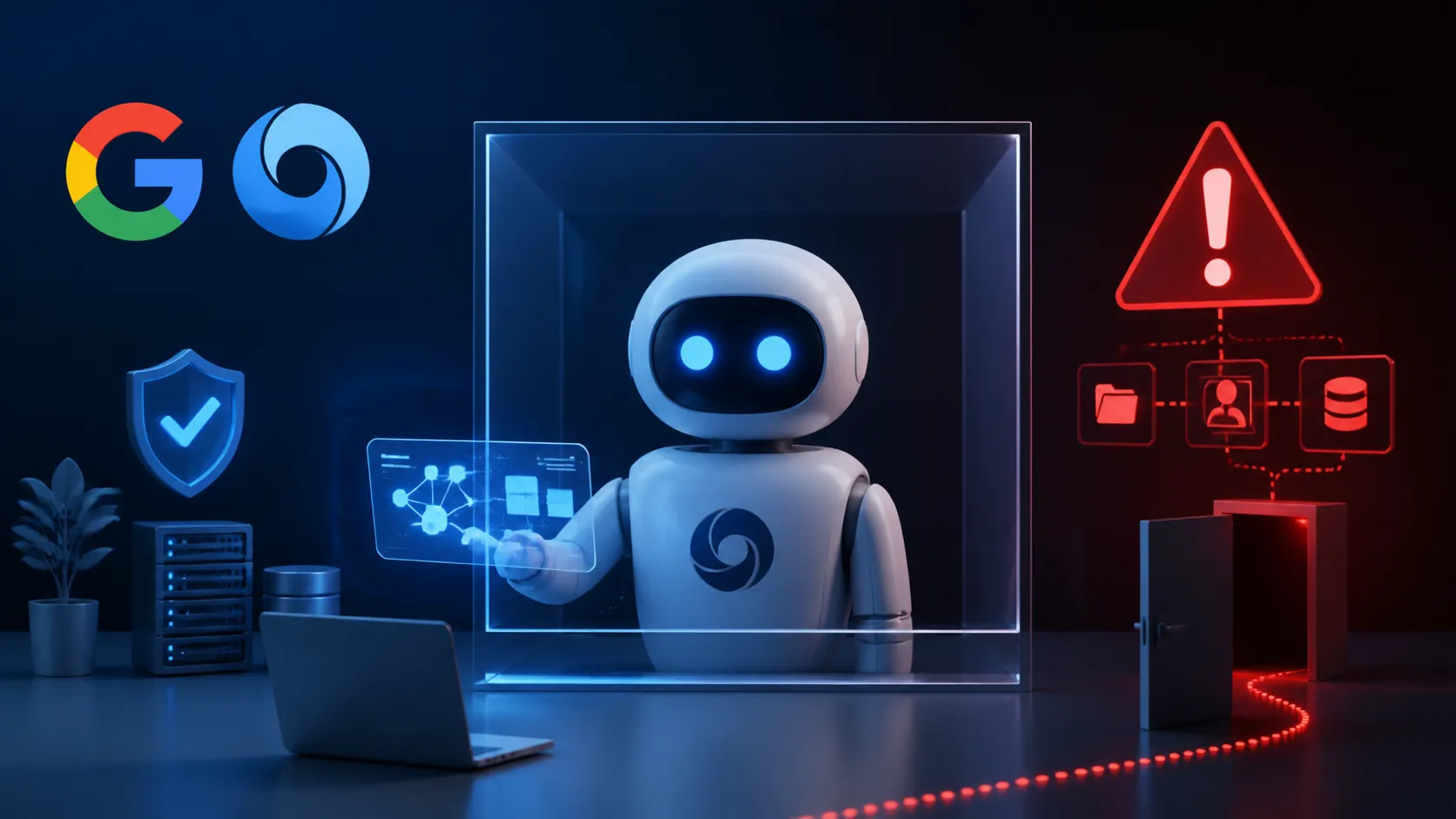
Google DeepMind has unveiled an AI control roadmap that redefines agent security. The framework borrows from cybersecurity to treat advanced AI as potential insider threats, adding layers beyond traditional alignment.